
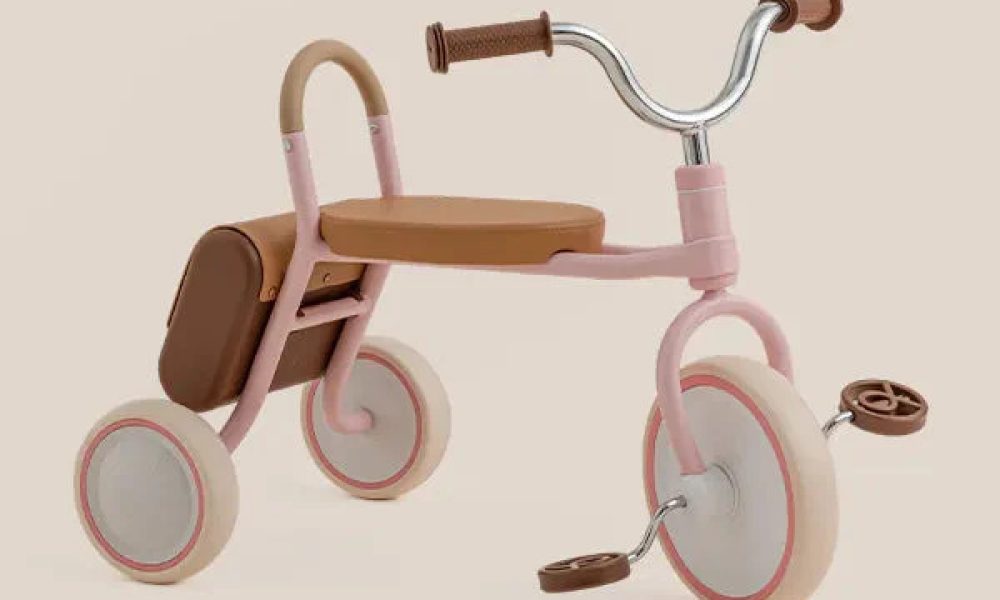
Choosing the right tricycle for your child involves more than picking the brightest color or coolest design. The perfect trike should match your toddler’s size, developmental stage, and riding environment while incorporating safety features that give you peace of mind. A well-chosen tricycle becomes a trusted companion for outdoor exploration, encouraging your child to spend less time indoors and more time engaging with the world around them. This guide is designed for parents and caregivers seeking practical advice on selecting, maintaining, and maximizing the benefits of toddler tricycles, ensuring your investment supports years of healthy, active play.
Key Features to Look for in a Toddler Tricycle
The frame material determines how well a tricycle withstands daily use and outdoor conditions. Steel frames offer exceptional durability and can handle rough play, while lightweight aluminum options make it easier for toddlers to maneuver and for parents to transport. Look for powder-coated finishes that resist rust and scratches, ensuring the trike maintains its appearance through seasons of adventure.
 An adjustable seat transforms a tricycle from a short-term toy into a multi-year investment. As your child grows, the ability to raise the seat height ensures proper leg extension while pedaling, maintaining comfort and efficiency. Quality models offer tool-free adjustments that let you modify the fit in seconds, accommodating growth spurts without hassle.
 Handlebars should provide a secure grip with rubberized or foam padding that protects small hands during rides. Steering limiters prevent overly sharp turns that could tip the tricycle, while adjustable handlebar height keeps the riding position ergonomic as your toddler develops. A reliable brake system—whether coaster brakes activated by pedaling backward or hand brakes for older toddlers—gives children control over their speed and teaches important safety skills they’ll use when transitioning to bicycles.
Top Picks for Toddler Tricycles
The MATE Tricycle stands out as an exceptional choice for toddlers beginning their riding journey. Its thoughtfully designed frame combines lightweight construction with robust durability, making it manageable for young riders while withstanding enthusiastic play. The seat adjusts smoothly through multiple positions, accommodating children from their first pedaling attempts through preschool years. Parents appreciate the ergonomic handlebar design that promotes natural steering motions, while the wide wheelbase provides stability that builds confidence in hesitant riders. The puncture-resistant tires eliminate the frustration of flat repairs, and the powder-coated finish resists the inevitable scrapes and weather exposure that come with outdoor adventures.
 Beyond the MATE, several other tricycles deserve consideration based on your specific needs. Classic steel-frame models offer unmatched longevity and can serve multiple children across years, though they carry additional weight. Convertible tricycles that transform from parent-pushed strollers into independent rides provide excellent value for families wanting a single product that evolves with their child. Some models feature removable storage baskets that encourage imaginative play and practical hauling of treasures found during neighborhood explorations. For families prioritizing portability, folding tricycles compress for trunk storage, making them ideal companions for park visits and vacations.
When comparing features across models, focus on how each element serves your child’s development and your family’s lifestyle. A tricycle with a parent push handle offers control during learning phases but adds bulk and cost. Models with adjustable pedal positions accommodate different leg lengths more precisely than seat adjustments alone. Consider the turning radius if you’ll be riding in confined spaces like patios or narrow sidewalks. Weight capacity matters not just for current size but for ensuring the tricycle remains usable as your toddler grows. The best tricycle balances immediate usability with longevity, providing features your child will grow into rather than quickly outgrow, making it a worthwhile investment in their active childhood.
Safety Tips for Toddlers Using Tricycles
A properly fitted helmet is non-negotiable for every tricycle ride, regardless of distance or location. The helmet should sit level on your child’s head, covering the forehead about two finger-widths above the eyebrows, with straps forming a V-shape under each ear. Check that the chin strap allows only one or two fingers to fit between the strap and chin when buckled. Replace helmets after any impact or every few years as your child grows, since an ill-fitting helmet provides false security rather than real protection.
Active supervision means staying within arm’s reach during early rides and maintaining visual contact as skills develop. Toddlers lack the judgment to anticipate hazards like curbs, driveways with vehicle traffic, or uneven pavement that could cause tipping. Establish clear riding boundaries before each outing, designating safe zones like fenced yards or specific park paths away from roads. Teach your child to stop at every driveway and look for cars, building habits that transfer to future bicycle riding and pedestrian safety.
Choose riding surfaces carefully, starting with flat, smooth pavement or concrete that allows steady pedaling without obstacles. Avoid gravel, sand, or grass until your toddler masters basic control, as these surfaces require more strength and balance. Watch for weather conditions that create slippery surfaces or reduce visibility. Dress your child in bright colors that make them visible to others, and avoid loose clothing that could catch in wheels or pedals. Schedule rides during daylight hours when both you and your child can clearly see the path ahead, and keep sessions short enough that fatigue doesn’t compromise coordination or attention to surroundings.
Maintenance and Care
Regular cleaning keeps your toddler’s tricycle functioning smoothly and looking fresh through seasons of use. After each ride, wipe down the frame with a damp cloth to remove dirt, mud, and debris that can accumulate in joints and moving parts. For deeper cleaning, use mild soap and water, avoiding harsh chemicals that might damage painted surfaces or plastic components. Pay special attention to the pedal mechanisms and steering column, where grime can build up and cause stiffness. Dry the tricycle thoroughly after washing to prevent rust formation on metal parts, and store it in a covered area or garage when not in use to protect it from prolonged sun exposure and rain.
Tire inspection should become part of your routine before each riding session. Check for proper inflation if your tricycle has air-filled tires, maintaining the pressure recommended by the manufacturer for optimal performance and safety. Examine the tread for excessive wear or embedded objects like stones or glass that could cause damage. For solid rubber or foam tires, look for cracks, tears, or signs of deterioration that might affect traction. Spin each wheel to ensure it rotates freely without wobbling or rubbing against the frame, and tighten any loose bolts or nuts you discover during inspection.
Battery maintenance applies only to tricycles with electronic features like lights or sound systems. Follow the manufacturer’s guidelines for charging frequency and duration, typically removing batteries during extended storage periods to prevent corrosion. Keep battery compartments clean and dry, and replace batteries at the first sign of reduced performance rather than waiting for complete failure.
Benefits of Tricycles for Toddlers
Pedaling a tricycle provides comprehensive physical exercise that strengthens growing bodies in ways that sedentary play cannot match. The repetitive motion of pushing pedals builds leg muscles, particularly in the quadriceps and calves, while steering engages core muscles that support posture and balance. Cardiovascular benefits emerge as sustained riding sessions increase heart rate and breathing, establishing healthy patterns that combat childhood obesity. The coordination required to pedal, steer, and navigate simultaneously develops gross motor skills that form the foundation for more complex physical activities like running, jumping, and eventually riding a bicycle.
Mastering tricycle riding delivers powerful boosts to self-confidence as toddlers experience genuine independence and capability. The first successful solo ride around the yard represents a milestone achievement that children recognize and celebrate, building their belief in their ability to learn new skills through practice. Each successful turn, stop, and restart reinforces problem-solving abilities as they figure out how to control their movement and direction. This growing competence extends beyond riding itself, fostering a willingness to attempt other challenges with the understanding that initial difficulty gives way to mastery through persistence.
Tricycles naturally facilitate social interaction when toddlers ride together at parks, playgrounds, or neighborhood sidewalks. Children learn to navigate shared spaces, taking turns on preferred paths and developing awareness of others around them. Racing games and follow-the-leader activities introduce friendly competition and cooperation, teaching valuable lessons about winning graciously and encouraging peers. Parents often find that tricycle outings create opportunities for playdates and community connections, as children riding together spark conversations between families and build relationships that extend beyond the immediate riding session.
How to Choose the Right Size
Begin by measuring your child’s inseam, which determines the appropriate seat height for comfortable pedaling. Have your toddler stand barefoot against a wall and measure from the floor to their crotch, then look for tricycles with seat heights that allow their feet to rest flat on the pedals at the lowest point of each rotation. When seated, your child’s knees should have a slight bend at full leg extension rather than locking straight or remaining too bent, which can cause fatigue and inefficient pedaling.
Consider your child’s growth trajectory when selecting a tricycle, particularly if you want the investment to last multiple years. Models with wide adjustment ranges accommodate significant height increases, typically serving children from ages two through five. Check the minimum and maximum seat positions against your child’s current measurements and projected growth, leaving room for at least two inches of upward adjustment beyond their present needs. Some tricycles offer adjustable wheelbases in addition to seat height, providing even greater adaptability as proportions change.
Weight capacity specifications indicate both safety limits and longevity potential. Most toddler tricycles support between 40 and 75 pounds, with higher capacities generally corresponding to sturdier construction and extended usability. Compare your child’s current weight against the maximum capacity, ensuring substantial margin remains for growth. A tricycle rated for 50 pounds becomes impractical once your child reaches 45 pounds, while a 75-pound capacity model continues serving safely into early elementary years, making it the smarter choice for families seeking maximum value from their purchase.
Common Mistakes to Avoid
Purchasing a tricycle based solely on your child’s age rather than their actual measurements leads to poor fit and frustration. A three-year-old with longer legs may need a larger model than the packaging suggests, while a petite four-year-old might still fit comfortably on a smaller tricycle. Ignoring inseam measurements and seat adjustability results in children struggling to reach pedals or riding with cramped legs that tire quickly. Always prioritize physical dimensions over age recommendations, and test the fit before purchasing whenever possible. Bringing your child to try different models reveals comfort issues that specifications alone cannot predict, ensuring the tricycle matches their body rather than arbitrary age categories.
Overlooking essential safety features in favor of flashy designs or lower prices compromises your child’s protection during rides. Tricycles without adequate wheel stability tip more easily on turns, while missing or ineffective brakes leave toddlers unable to control their speed on slopes. Skipping helmets because rides seem short or slow creates dangerous habits and leaves heads vulnerable to injury from unexpected falls. Examine every safety element critically before buying, including handlebar grips that prevent slipping, rounded edges that minimize injury risk, and sturdy construction that withstands impacts. The most attractive tricycle becomes worthless if it lacks the fundamental safety features that protect your child during everyday use.
Neglecting regular maintenance shortens your tricycle’s lifespan and creates safety hazards that develop gradually. Loose bolts that go untightened eventually cause parts to separate during rides, while ignored tire wear reduces traction and increases accident risk. Allowing dirt and moisture to accumulate in moving parts causes rust and stiffness that make pedaling difficult and steering unpredictable. Establish a simple maintenance schedule that includes weekly visual inspections and monthly detailed checks, addressing small issues before they become serious problems that require expensive repairs or replacement.
Tips for a Fun and Safe Ride
Effective supervision evolves as your toddler’s skills develop, starting with hands-on assistance during initial rides and gradually stepping back as confidence builds. Stay close enough to intervene if your child loses control or encounters unexpected obstacles, but resist the urge to hover constantly, which can undermine their growing independence. Watch for signs of fatigue like wobbly steering or slowed pedaling, and end sessions before exhaustion leads to accidents. Create a consistent routine around tricycle time, establishing it as a regular activity that your child anticipates rather than a sporadic event, which helps them develop sustained interest and progressive skill improvement.
Encouraging exploration within safe boundaries sparks curiosity and makes riding adventures memorable. Set up simple obstacle courses using chalk lines, cones, or toys that challenge your toddler to navigate curves and practice stopping at designated points. Introduce variety by visiting different locations like quiet parking lots, park paths, or community trails that offer new scenery and terrain challenges appropriate for their skill level. Let your child choose directions at safe intersections, giving them ownership over their journey and building decision-making abilities. Celebrate their discoveries when they notice interesting sights along the route, reinforcing the connection between physical activity and engaging with their environment.
Planning safe routes requires scouting locations beforehand to identify potential hazards and traffic patterns. Choose paths with smooth surfaces free from significant cracks, potholes, or debris that could cause falls. Avoid routes near busy streets or driveways with frequent vehicle activity, prioritizing enclosed spaces like fenced yards, school playgrounds during off-hours, or designated bike paths with separate pedestrian lanes. Check for adequate shade during hot weather and plan shorter routes that match your toddler’s endurance level, typically starting with ten to fifteen minutes and gradually extending duration as stamina increases. Always have a backup plan for sudden weather changes or unexpected closures, ensuring every outing ends positively rather than with disappointment or unsafe conditions.
Investing in Your Toddler’s Active Future
Selecting the right tricycle for your toddler sets the foundation for years of active outdoor play that builds physical strength, coordination, and independence. The ideal tricycle combines durable construction with adjustable features that accommodate your child’s growth, safety elements that protect during every ride, and a comfortable design that encourages regular use. By prioritizing proper fit over age recommendations, maintaining the tricycle through regular inspections and cleaning, and supervising rides in safe environments, you create conditions where your child can explore confidently while developing skills that extend far beyond pedaling.
The benefits of tricycle riding reach beyond immediate entertainment, fostering cardiovascular health, muscle development, and social connections that shape your toddler’s early years. Whether you explore options from trusted brands like Kidpop or other quality manufacturers, your investment supports countless adventures that transform ordinary afternoons into opportunities for discovery and achievement. Take time to measure carefully, research thoroughly, and involve your child in the selection process when possible. With the right tricycle and thoughtful guidance, you’re not just purchasing a toy—you’re opening a gateway to active living that instills healthy habits and joyful memories your child will carry into their future.




