
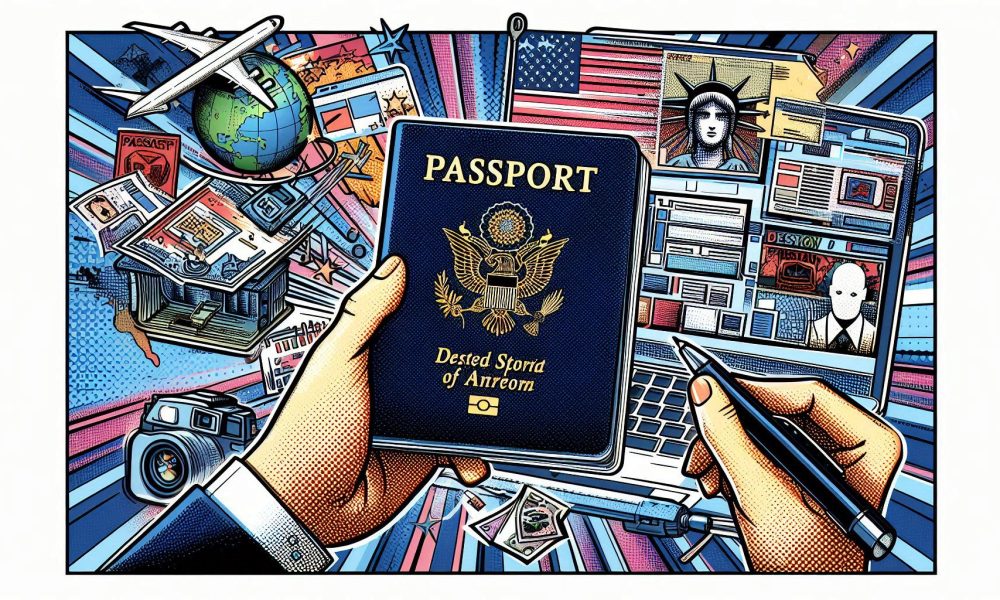
In the 21st century, personal reinvention has evolved beyond mere lifestyle adjustments or career shifts.
Increasingly, individuals are considering, and in some cases pursuing, formal identity changes that involve legal, administrative, and digital transitions. Identity change is becoming a global trend driven by a mix of social, political, technological, and personal factors.
The global conversation around privacy, mobility, and self-determination has elevated identity change from a niche practice to a mainstream subject of discussion. For governments, businesses, and individuals alike, the legal frameworks and personal motivations behind these transitions are shaping new realities for citizenship, residency, and digital life.
The Global Rise of Identity Change
Identity change once carried a stigma, often associated with fugitives, fraudsters, or those seeking to evade justice. Today, the perception is shifting. In many jurisdictions, individuals are exploring identity change for lawful, transparent reasons: escaping persecution, finding safety, gaining a fresh start after trauma, or aligning personal identity with self-recognition in gender, cultural, or familial terms.
Governments are increasingly offering structured pathways for legal identity adjustments, including streamlined name change processes, citizenship by investment programs, digital ID platforms, and updates to asylum-related documentation. These reforms are helping normalize the concept of personal reinvention.
Legal Frameworks Supporting Reinvention
Identity is not a static concept but one tied to documents issued by states, supranational bodies, and trusted institutions. In the United States and Canada, name change procedures are well-established, with state and provincial courts providing avenues for individuals to change their personal identifiers. In Europe, the General Data Protection Regulation (GDPR) grants individuals rights to correct, update, and in some cases erase digital data tied to their identity.
In Asia and Africa, digital ID modernization efforts, such as India’s Aadhaar, Nigeria’s NIN, and Kenya’s Huduma Namba, create both opportunities and challenges for those navigating identity shifts. Global mobility programs, including citizenship-by-investment and residency-by-investment schemes in the Caribbean, Europe, and the Middle East, also enable individuals to reconstruct their civic and international identity legally. Each of these frameworks shows how identity change is being formalized and embedded into the global system.
The Digital Layer of Identity Change
Technology has redefined what it means to have an identity. Biometric passports, facial recognition at borders, and smartphone-based digital IDs have created a multi-layered form of verification. Reinventing oneself is no longer just about one’s name or nationality, but also about managing one’s biometric footprint, online data, and digital presence.
This digital layer complicates identity change but also enables it through platforms that allow individuals to manage their online presence across various services. Estonia’s e-Residency, Singapore’s Singpass, and the United Arab Emirates’ digital identity frameworks show how states are moving toward ecosystems where digital presence and physical documentation converge. For individuals seeking reinvention, mastering this digital layer is crucial.
Drivers Behind the Global Trend
Several factors explain why identity change is gaining momentum worldwide:
Global Mobility: Individuals are relocating across borders for work, education, or personal lifestyle reasons. Changing citizenship or residency identity can unlock access to new markets and opportunities.
Safety and Security: Political refugees, survivors of domestic violence, and people at risk of persecution often require new identities to ensure their safety.
Privacy Concerns: As data leaks and surveillance become more pervasive, some individuals seek new identities to reset their digital footprint.
Personal Transformation: From gender transitions to shedding old family names, identity changes are increasingly recognized as legitimate expressions of self.
Economic Opportunities: Citizenship and residency programs tied to investment allow high-net-worth individuals to gain mobility and financial flexibility.
These drivers, taken together, demonstrate why the demand for structured, legal, and safe pathways to identity reinvention is increasing.
Case Study: A Professional Reinvention in North America
A Canadian technology entrepreneur, facing both reputational damage from a failed startup and personal trauma from a divorce, pursued a legal name change combined with relocation to the United States. By carefully managing his identity transition, he rebuilt his professional career under a new name, ensuring that his credentials, diplomas, and licenses were updated across both jurisdictions.
The process took nearly a year, requiring coordination between Canadian provincial authorities and U.S. state licensing boards. The case demonstrates how reinvention can be conducted transparently, lawfully, and effectively.
Case Study: Gender-Affirming Identity Change in Europe
In Germany, a young professional transitioned genders and pursued a complete update of their identity documents, from passports to academic diplomas. The legal framework allowed for recognition of gender identity changes, and within 18 months, the individual secured updated travel documents, tax records, and professional certifications. The process illustrates how modern identity frameworks, when designed inclusively, can empower individuals to align their public identity with their authentic self.
The Role of Citizenship and Residency Programs
Citizenship-by-investment (CBI) and residency-by-investment (RBI) programs are playing a significant role in reshaping global identity. Caribbean nations like St. Kitts and Nevis, Dominica, and Antigua and Barbuda have pioneered accessible CBI programs, allowing investors to secure new citizenship identities in exchange for economic contributions.
In Europe, Portugal’s Golden Visa and Malta’s citizenship pathways offer structured, regulated reinvention options. These programs are beautiful to entrepreneurs, global families, and professionals in politically unstable regions who seek new opportunities and safer havens.
Case Study: Caribbean Citizenship Reinvention
A family from South Asia, seeking greater educational opportunities for their children and visa-free travel, pursued a citizenship-by-investment program in Dominica. Within months, they gained a second passport, opening pathways to Europe and North America. The father described the process as a reinvention of his family’s future, offering both mobility and security that their original nationality could not provide. This case illustrates how reinvention can be a strategic and future-oriented approach.
Reinvention and Business Identity
Corporate identity reinvention is another emerging trend. Businesses facing reputational challenges or seeking to pivot into new markets are rebranding under new names, structures, and jurisdictions. This parallels personal reinvention and often involves similar legal and regulatory processes.
For instance, multinational firms have relocated their headquarters or restructured their ownership through favorable jurisdictions that allow for a fresh start without abandoning their compliance obligations. Reinvention at the organizational level underscores the importance of reputation, resilience, and adaptability.
Psychological Dimensions of Reinvention
Reinventing oneself is not solely a legal or administrative process. It carries profound psychological implications. Psychologists note that individuals pursuing identity change often experience a sense of empowerment, closure, and hope. Yet challenges persist, particularly when social networks, family ties, and old acquaintances resist or challenge the reinvention. Balancing personal aspirations with social realities is a key part of the journey. Support structures, such as counseling and community networks, are critical for sustainable reinvention.
Case Study: Reinvention After Persecution
An academic from the Middle East, facing political persecution, sought asylum in Canada. After being granted refugee status, the individual legally changed their name and secured new Canadian identity documents. With support from resettlement programs, the academic eventually resumed teaching under the new identity, rebuilding both professional and personal life. This case shows how reinvention can be an act of survival and renewal.
Reinvention in the Gulf States
In the Middle East, Gulf nations are rapidly expanding digital identity systems while also offering residency pathways tied to investment. The United Arab Emirates, through its Golden Visa program, enables professionals and investors to enhance their global presence by securing long-term residency. Saudi Arabia’s NAFATH system integrates digital identity with national services, enabling controlled reinvention within strict security parameters. These systems illustrate how reinvention is not only tolerated but also strategically managed to attract talent and capital.
Case Study: Professional Relocation to Dubai
A European financial consultant facing limited opportunities in their home market leveraged the UAE’s Golden Visa program to secure long-term residency in Dubai. By re-establishing their professional brand and legal identity within the UAE’s system, the consultant gained access to regional business opportunities, diversified clientele, and a stable lifestyle. This reinvention was not only personal but also economic, allowing for a complete repositioning in the global marketplace.
Reinvention in Africa
Across Africa, identity modernization projects are transforming how reinvention occurs. Nigeria’s National Identification Number (NIN) and Kenya’s Huduma Namba integrate personal records with government services. For individuals displaced by conflict or seeking better opportunities, these systems provide both challenges and opportunities. Reinvention is possible when records are accurate and accessible, but bureaucracy and technical hurdles can complicate transitions. Still, the progress made in African digital ID ecosystems is laying the groundwork for lawful reinvention pathways.
Case Study: Refugee Identity Rebuilding in East Africa
A refugee from South Sudan, resettled in Kenya, used the Huduma Namba system to integrate into Kenyan society. By registering under the national system, the individual was able to access healthcare, education, and financial services, effectively reconstructing their identity in a new country. This case highlights how state-led digital identity projects can support humanitarian reinvention.
Reinvention in Latin America
In Latin America, political instability and economic challenges have driven millions to seek reinvention through migration and adjustments to their identities. Countries like Chile and Uruguay have developed inclusive residency programs. In contrast, others, like Mexico, have streamlined naturalization processes for long-term residents. Reinvention here is often tied to survival, but it also reflects a growing awareness of identity as a dynamic concept that can adapt to new realities.
Case Study: Venezuelan Reinvention in Chile
A Venezuelan engineer displaced by political and economic crises relocated to Chile, where residency programs facilitated legal integration. Within five years, the engineer gained Chilean citizenship, updated professional licenses, and established a new identity anchored in stability. The process not only enabled personal reinvention but also professional continuity in a new environment.
Identity Change and Law Enforcement
Governments remain vigilant about the misuse of identity changes for fraudulent purposes. INTERPOL and national agencies track attempts to use false identities for crime or evasion. Yet lawful identity change, when managed transparently, is protected and even encouraged. Law enforcement agencies have developed sophisticated systems to distinguish between legal reinvention and fraudulent identity manipulation. Biometric verification, cross-border data sharing, and document authentication technologies provide checks that preserve system integrity while allowing individuals to pursue legitimate reinvention.
Reinvention in the Digital Age: Challenges and Opportunities
In 2025, digital footprints can be as defining as physical documents. Reinventing oneself often requires addressing online records, social media history, and digital presence. Data protection laws provide some relief, allowing individuals to request erasure or correction of outdated information.
However, the permanence of online content makes digital reinvention more complex than traditional identity change. Still, opportunities exist: curated online profiles, new professional branding, and controlled digital visibility can help individuals align their digital identity with their new direction.
Case Study: Digital Reinvention After Data Exposure
A European lawyer suffered reputational damage after their private information was exposed in a cyberattack. By legally changing their name, managing digital takedown requests under the GDPR, and rebuilding their professional practice with a new identity, the lawyer successfully distanced themselves from the incident. This reinvention illustrates how legal and digital strategies combine in the modern era.
Future of Global Identity Reinvention
Looking ahead, identity change is likely to become an even more structured and accepted global practice. With migration increasing, digital IDs expanding, and societies embracing greater diversity, reinvention will be normalized as part of modern life. Governments will continue refining legal pathways, balancing security concerns with human rights.
For businesses, providing services that support lawful reinvention, whether through legal, financial, or technological channels, will emerge as a growing industry. For individuals, reinvention will remain both a challenge and an opportunity, a way to claim agency in an interconnected yet often restrictive world.
Reinvention as a Human Right
Scholars and human rights advocates increasingly argue that the ability to redefine one’s identity should be recognized as a fundamental right. Whether tied to gender, culture, or political asylum, the right to reinvent oneself underscores the principle of human dignity. Legal systems are gradually moving toward recognizing this right, incorporating reinvention into international human rights frameworks.
Case Study: Reinvention Through Asylum in Europe
A journalist targeted for political reporting in Eastern Europe successfully claimed asylum in France. With asylum granted, the journalist legally changed names, secured French residency documents, and later naturalized as a French citizen. This reinvention provided both safety and a platform to continue their professional mission under protection. It is a powerful example of identity change as a mechanism of survival and freedom.
Conclusion
Reinventing oneself is no longer a marginal phenomenon; it has become a widespread trend. It is becoming a recognized, structured, and lawful global trend. Driven by mobility, security, privacy, and personal transformation, identity change reflects the realities of modern life in 2025. By studying legal frameworks, technological challenges, and individual case studies, it becomes clear that reinvention is here to stay.
For individuals, it offers empowerment and new beginnings; for governments, it raises questions of regulation and balance; for societies, it represents resilience and adaptability in an ever-changing world. Identity change is not only possible but increasingly accessible, marking a definitive shift in how humanity approaches selfhood and belonging in the global era.
Contact Information
Phone: +1 (604) 200-5402
Signal: 604-353-4942
Telegram: 604-353-4942
Email: [email protected]
Website: www.amicusint.ca




