
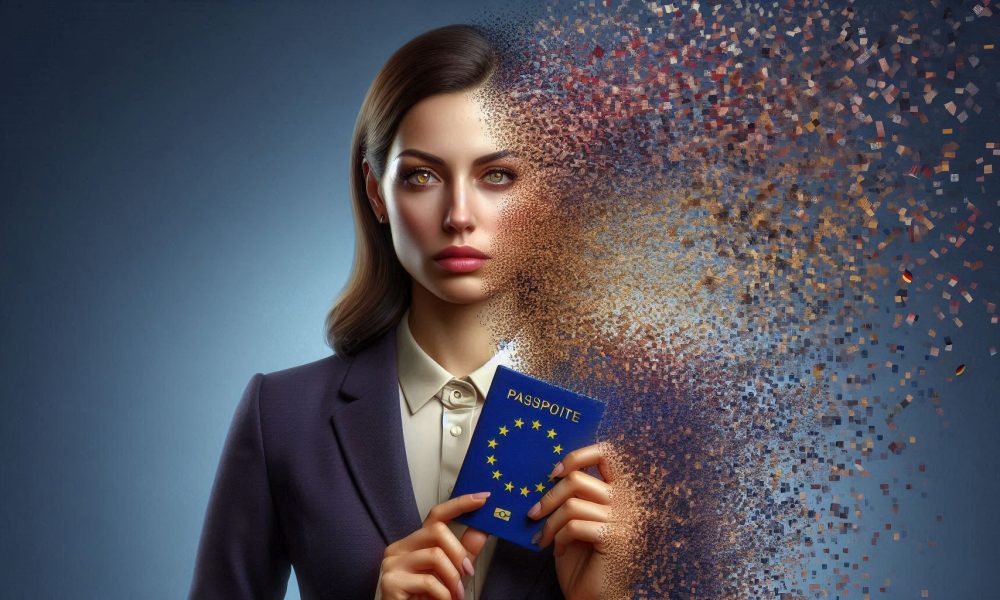
Vancouver, BC, July 29, 2025 – In a global landscape increasingly defined by geopolitical instability, digital surveillance, and cross-border restrictions, the quest for mobility has never been more urgent. The right to travel freely—once assumed by passport holders from the developed world—is now challenged by visa restrictions, real-time border analytics, and biometric tracking systems. In this new environment, offshore identities legally acquired through second citizenship, residency programs, or name changes offer unprecedented access to visa-free travel, allowing individuals to move fluidly across borders while remaining compliant with international law.
This press release explores the intersection of offshore identity creation and visa-free travel in 2025, identifying the jurisdictions that offer the most powerful passports, legal pathways to acquisition, and practical case studies from individuals who have used these tools to redefine their personal and professional freedom.
Understanding Offshore Identities and Travel Rights
An offshore identity refers to a legally established identity recognized under the laws of a foreign jurisdiction. It can be created through second citizenship (often via Investment), legal name change abroad, or residence status in a country with strong privacy protections. This identity is issued in the form of a passport, national ID, or residency card, and affords the bearer the rights and privileges of that jurisdiction—including visa-free travel.
Unlike fraudulent identities, offshore identities are entirely legal when obtained through the official government process. They are backed by genuine documentation, internationally recognized, and upheld by treaties, immigration protocols, and diplomatic agreements.
The Visa-Free Advantage of Offshore Identities
The power of a passport is often measured by the number of countries it grants visa-free or visa-on-arrival access to. For many individuals born in countries with weak travel privileges, a second passport issued by a strategic offshore jurisdiction can unlock global mobility and bypass bureaucratic or political constraints.
For example:
A Pakistani passport allows visa-free access to just over 30 countries.
A St. Kitts and Nevis passport opens access to over 150 countries.
A Maltese passport allows visa-free entry to 190+ destinations, including the U.S., U.K., and Schengen Area.
Offshore identities provide individuals with the legal capacity to travel as citizens or residents of nations not subject to travel bans, blocklists, or geopolitical bias.
Top Offshore Jurisdictions With Visa-Free Benefits in 2025
1. Malta
Malta continues to offer one of the world’s most powerful passports through its citizenship-by-naturalization process. Though restructured to comply with EU scrutiny, Malta’s program remains legal and robust.
Visa-Free Access: 190+ countries including the U.S., U.K., EU/Schengen, Canada, and Australia
Residency Requirement: 12-36 months
Cost: Minimum €750,000 contribution to government, €700,000 in real estate or Investment
Use Case: An Indian executive with visa denials to Europe successfully gained Maltese citizenship. He now travels freely for business across the EU and North America, avoiding visa delays and embassy scrutiny.
2. St. Kitts and Nevis
One of the most established Caribbean citizenship-by-investment programs, St. Kitts and Nevis provides a highly functional passport with strong visa access and rapid processing.
Visa-Free Access: 150+ countries including the Schengen Area, U.K., Singapore, and Hong Kong
Processing Time: 3–6 months
Cost: $250,000 donation or $400,000 real estate Investment
Use Case: A Syrian doctor displaced by conflict used his St. Kitts and Nevis passport to resettle in Asia, using visa-free access to Singapore and Malaysia for work-related travel.
3. Dominica
Known for affordability and speed, Dominica’s program provides freedom of movement with low entry costs and high privacy.
Visa-Free Access: 145+ countries, including the U.K., EU/Schengen, and many African and Asian countries
Processing Time: 3–4 months
Cost: $100,000 donation or $200,000 in real estate
Use Case: A digital marketer from Russia, facing travel restrictions, gained a Dominica passport to conduct business in Europe without triggering security screenings associated with his primary nationality.
4. Vanuatu
Although not part of major economic unions, Vanuatu offers visa-free access to numerous countries in Asia and Oceania and processes citizenship quickly.
Visa-Free Access: 130+ countries including the U.K., Hong Kong, Russia, and Singapore
Processing Time: 30–60 days
Cost: $130,000 donation to the government fund
Use Case: An Australian whistleblower relocated offshore and used Vanuatu citizenship to re-enter Asia under a new legal identity, avoiding biometric linkages to previous travel data.
5. Turkey
Turkey’s passport offers access to over 110 countries and is an excellent option for citizens of nations facing global travel bias.
Visa-Free Access: 110+ countries, including Japan, South Korea, Brazil, and Qatar
Processing Time: 6–9 months
Cost: $400,000 real estate Investment or $500,000 bank deposit
Use Case: A tech investor from Egypt gained Turkish citizenship and leveraged it for unrestricted travel across the Middle East and South America while continuing to build offshore business structures.
How Offshore Identities Circumvent Travel Restrictions
In recent years, governments have increasingly used travel bans, sanctions, and automated flagging systems to restrict the movement of individuals from certain countries. Offshore identities offer a way to legally dissociate from high-risk citizenships and access a neutral, travel-friendly status.
Examples include:
Avoiding visa rejections tied to nationality in conflict zones
Bypassing security scrutiny from countries flagged by immigration watchlists
Gaining access to regions with regional-only visa waivers (e.g., Schengen Zone)
Entering countries with reciprocal arrangements with new passport jurisdictions
Biometric Separation and Travel Privacy
When a new passport is issued to a separate legal identity, it often comes with a distinct biometric record. Unless the jurisdiction participates in international data-sharing agreements, the biometric data submitted during passport creation is kept isolated.
For example:
Malta and the EU share biometric data across member states but not with non-EU countries.
St. Kitts and Nevis and Vanuatu do not participate in the EU’s biometric entry system or the U.S. Homeland Security biometric exchange framework.
Turkey uses its biometric systems and is not part of the Schengen network, offering additional privacy for travelers seeking to avoid EU-wide surveillance.
Case Study: Travel Recovery After Political Blocklisting
A journalist from Eastern Europe, previously listed in a political watchlist, received travel denials to the EU. After obtaining Antigua and Barbuda citizenship, he was able to travel for conferences and speaking engagements across Europe without biometric alerts or political blocks, as his new passport was not tied to any red flags.
Case Study: Business Freedom Through Dual Nationality
A cryptocurrency investor from Southeast Asia faced banking freezes and travel interrogations due to his nationality. After acquiring Grenadian citizenship, he gained access to 140+ countries and obtained a U.S. E-2 investor visa via treaty rights not available to his original citizenship.
Digital Nomad Visas and Offshore Identities
As of 2025, more than 40 countries offer digital nomad or remote work visas. Offshore identities complement these programs by allowing applicants to submit cleaner profiles from more favorable passport jurisdictions.
Popular countries offering digital nomad visas include:
Portugal (via D7 visa): Often more easily approved for EU or visa-friendly passport holders.
Panama: Allows applications through Friendly Nations programs using second citizenship.
Costa Rica and Antigua: Digital nomad visas accessible with Caribbean passports.
How Visa-Free Travel Enhances Asset Protection and Banking
Visa-free travel doesn’t just offer mobility—it’s essential for financial autonomy. Offshore identities and second passports open access to international banking that would otherwise be restricted based on nationality.
Many offshore banks require in-person account openings. Without a travel-friendly passport, this becomes impossible.
Benefits Include:
Opening bank accounts in Switzerland, Liechtenstein, or Singapore
Gaining access to financial institutions that reject high-risk nationalities
Avoiding travel bottlenecks when managing offshore companies or trusts
Conducting international business meetings without immigration delays
Legal Considerations and Compliance
While offshore identities provide legal avenues for enhanced mobility, they must be managed responsibly:
Disclosure: U.S. citizens must disclose foreign citizenships and bank accounts under FATCA.
Tax Residency: Maintaining clear tax residency status avoids accusations of evasion.
Use for Legal Purposes Only: Misrepresenting nationality, forging travel documents, or failing to disclose citizenship when required is illegal.
Retaining Primary Citizenship: Dual citizenship is legal in most jurisdictions, but must be reported if required by home country law.
The Role of Professional Guidance
Establishing an offshore identity and leveraging it for visa-free travel requires expert planning. Jurisdictions must be carefully selected based on passport strength, personal history, and global treaty frameworks. Missteps—such as using a new passport for illegal entry or failing to meet residency obligations—can result in bans, loss of citizenship, or criminal penalties.
Why Amicus International Consulting Leads in Legal Offshore Identity Solutions
Amicus International Consulting specializes in structuring legal offshore identities that unlock visa-free travel, privacy, and cross-border freedom. Through a global network of legal experts, immigration specialists, and compliance officers, Amicus guides clients through:
Citizenship-by-investment and residency programs
Passport strategy and visa waiver analysis
Identity restructuring with legal name changes
Biometric separation planning
Corporate and trust structuring for global mobility
Whether you’re a high-net-worth individual, entrepreneur, or public figure seeking to avoid surveillance, Amicus provides legal, ethical, and robust solutions to ensure your new identity is compliant, strategic, and globally viable.
Conclusion: Passport Power and Legal Offshore Identities in 2025
In 2025, freedom of movement is no longer a universal right—it’s a strategic asset. Offshore identities legally acquired through second citizenship or residency offer not just a new passport, but a gateway to independence from arbitrary restrictions, biased immigration controls, and surveillance-ridden border systems.
When obtained and used legally, an offshore identity can restore the right to travel, work, invest, and live without unnecessary interference. With the proper guidance, it’s possible to rewrite the rules of personal sovereignty—one visa-free stamp at a time.
Contact Information
Phone: +1 (604) 200-5402
Email: [email protected]
Website: www.amicusint.ca




