
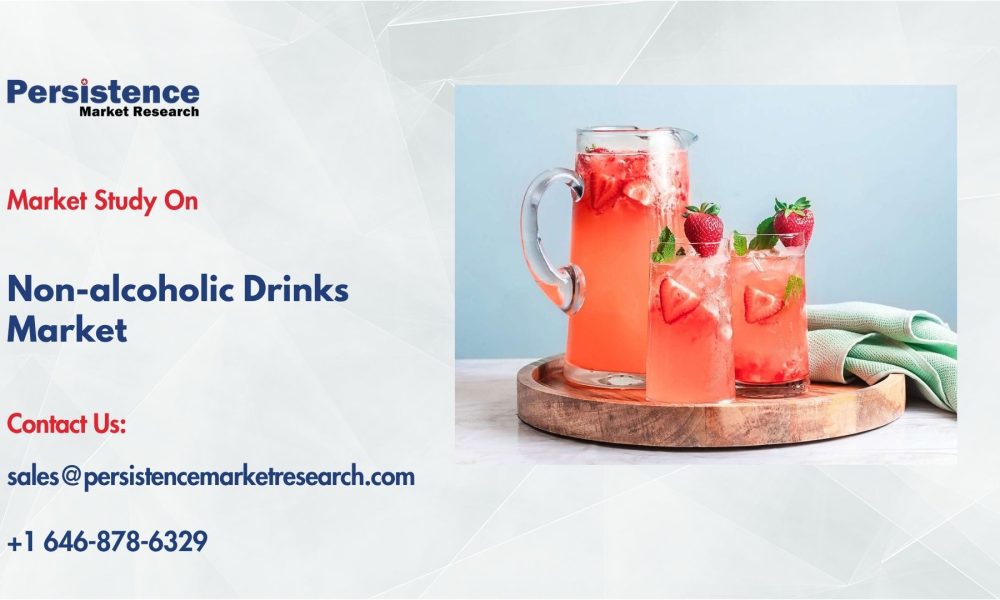
The global non-alcoholic drinks market is witnessing remarkable expansion as consumer preferences shift toward healthier, functional, and lifestyle-oriented beverages. Industry analysis indicates that the global non-alcoholic drinks market size is likely to be valued at US$ 1,209.8 billion in 2026 and is projected to reach US$ 2,100.4 billion by 2033, expanding at a compound annual growth rate (CAGR) of 8.2% during the forecast period from 2026 to 2033. The substantial growth trajectory reflects the increasing demand for refreshing, convenient, and health-conscious beverage options across global markets.
Non-alcoholic beverages encompass a broad spectrum of products including carbonated soft drinks, bottled water, fruit juices, energy drinks, ready-to-drink tea and coffee, dairy-based beverages, sports drinks, and functional drinks. Over the past decade, the beverage landscape has undergone a profound transformation as consumers have increasingly prioritized hydration, nutritional benefits, and clean-label ingredients.
One of the key drivers behind the growth of the non-alcoholic drinks market is the rising awareness of health and wellness. Consumers are actively reducing alcohol consumption and shifting toward beverages that offer hydration, energy, immunity support, and natural ingredients. This behavioral change is particularly evident among younger demographics who prefer lifestyle beverages that align with fitness and wellness trends.
Another major factor accelerating market expansion is the growing popularity of functional beverages. Products infused with vitamins, minerals, botanical extracts, probiotics, and adaptogens are gaining traction among health-conscious consumers. Functional drinks are increasingly positioned as alternatives to sugary sodas and alcoholic beverages, thereby expanding the consumer base of the non-alcoholic beverage industry.
Urbanization and fast-paced lifestyles are also playing a significant role in boosting demand. Ready-to-drink beverages offer convenience and portability, making them ideal for consumers seeking quick hydration and energy on the go. As disposable incomes increase and modern retail channels expand, the availability and accessibility of non-alcoholic drinks continue to improve worldwide.
Furthermore, innovation in packaging, flavor development, and ingredient sourcing is enabling beverage manufacturers to introduce premium products that cater to evolving consumer preferences. Companies are investing heavily in research and development to create beverages that combine taste, functionality, and sustainability.
Get Your FREE Sample Report Instantly – Click Now: https://www.persistencemarketresearch.com/samples/35016
Segmentation Analysis
By Product Type
- Carbonated Soft Drinks
- Juices & Nectar
- Bottled Water
- Energy & Sports Drinks
- Dairy-based Beverages
- Plant-based Beverages
- RTD Tea and Coffee
- Others
By Packaging Type
- Bottles
- Cans
- Cartons
- Pouches
By Distribution Channel
- B2B
- B2C
- Hypermarkets/Supermarkets
- Specialty Stores
- Convenience Stores
- Pharmacies/drug stores
- Online Retail
- Others
Regional Insights
From a regional perspective, North America currently represents one of the largest markets for non-alcoholic beverages. The region benefits from a highly developed beverage industry, strong brand presence, and widespread consumer awareness regarding functional drinks and healthy hydration.
The United States, in particular, has seen rapid growth in premium beverage categories such as functional drinks, energy beverages, and plant-based milk alternatives. Beverage innovation and extensive marketing strategies by major brands continue to shape consumer trends in the region.
Europe also holds a significant share of the global non-alcoholic drinks market, driven by increasing demand for organic beverages, natural juices, and low-sugar drink alternatives. Consumers in European countries are increasingly focusing on sustainability and clean-label ingredients, encouraging manufacturers to reformulate products and introduce healthier options.
The Asia-Pacific region is expected to be the fastest-growing market during the forecast period. Rapid urbanization, population growth, and rising disposable incomes in countries such as China, India, Japan, and Southeast Asian nations are contributing to the expanding consumption of non-alcoholic beverages.
Additionally, the growing middle-class population and increasing penetration of modern retail infrastructure are enabling beverage brands to reach new consumer segments across the region. Local beverage manufacturers are also introducing culturally relevant flavors and ingredients that resonate with regional tastes.
Latin America and the Middle East & Africa are emerging markets with considerable growth potential. Rising urban populations, improving distribution networks, and expanding hospitality sectors are expected to support beverage consumption in these regions.
Unique Features and Innovations in the Market
Innovation remains a central pillar of growth in the non-alcoholic drinks market. Beverage manufacturers are continuously introducing new product formulations, flavors, and packaging designs to differentiate themselves in an increasingly competitive industry.
Functional beverages infused with vitamins, probiotics, adaptogens, and botanical extracts are among the most prominent innovations shaping the market. These drinks are designed to offer health benefits such as improved immunity, digestive support, enhanced energy levels, and stress management.
Artificial intelligence is also being utilized in beverage development to analyze consumer taste preferences and predict successful flavor combinations. AI-driven data analytics allows companies to accelerate product development cycles and launch beverages tailored to specific market segments.
The Internet of Things (IoT) is improving supply chain efficiency in beverage production. Smart sensors and connected systems enable manufacturers to monitor production processes, maintain quality control, and optimize logistics operations.
Additionally, advanced manufacturing technologies are enabling companies to experiment with unique beverage formulations such as plant-based milk alternatives, botanical-infused sparkling waters, and hybrid beverages that combine multiple functional benefits.
Need Tailored Insights? Request Customization Now: https://www.persistencemarketresearch.com/request-customization/35016
Market Highlights
Several factors are contributing to the widespread adoption of non-alcoholic beverages across industries and consumer groups. Increasing health awareness is encouraging individuals to reduce alcohol consumption and seek healthier hydration options.
The rise of fitness culture and active lifestyles has also fueled demand for sports drinks, electrolyte beverages, and protein-enriched drinks. These beverages are designed to support athletic performance, hydration, and recovery.
Regulatory initiatives aimed at reducing sugar consumption are influencing beverage manufacturers to reformulate their products. Many governments are implementing sugar taxes and encouraging the development of low-calorie beverage alternatives.
Sustainability has become a major focus area for beverage companies as well. Many brands are adopting eco-friendly packaging solutions, reducing water usage in production, and sourcing ingredients responsibly to minimize environmental impact.
The expansion of premium beverage categories has also played a key role in market growth. Consumers are increasingly willing to pay higher prices for beverages that offer superior taste, unique ingredients, and perceived health benefits.
Key Players and Competitive Landscape
- The Coca-Cola Company
- PepsiCo, Inc.
- Keurig Dr Pepper Inc.
- Del Monte Pacific Limited
- Nestlé S.A.
- Danone S.A.
- Monster Beverage Corporation
- Red Bull GmbH
- SunOpta Inc.
- Starbucks Corp.
- Asahi Group Holdings
- Suntory Holdings Limited
- Almarai
- Nongfu Spring
- Parle Agro
- Others
Future Opportunities and Growth Prospects
The future of the global non-alcoholic drinks market appears highly promising as consumer lifestyles continue to evolve and demand for healthier beverage alternatives rises.
The expansion of plant-based beverages, functional drinks, and botanical-infused beverages is expected to create significant growth opportunities for manufacturers. These product categories align with consumer preferences for natural ingredients and wellness-focused consumption.
Technological advancements in beverage formulation and packaging will also play a crucial role in shaping the industry. Companies that successfully combine taste, functionality, and sustainability are likely to gain a competitive advantage in the evolving beverage landscape.
Emerging markets in Asia-Pacific, Latin America, and Africa are expected to provide substantial growth potential as urban populations expand and retail infrastructure improves.
As innovation accelerates and consumer expectations continue to evolve, the global non-alcoholic drinks market is poised to remain one of the most dynamic and rapidly growing sectors within the broader food and beverage industry.
Explore the Latest Trending Research Reports:




