
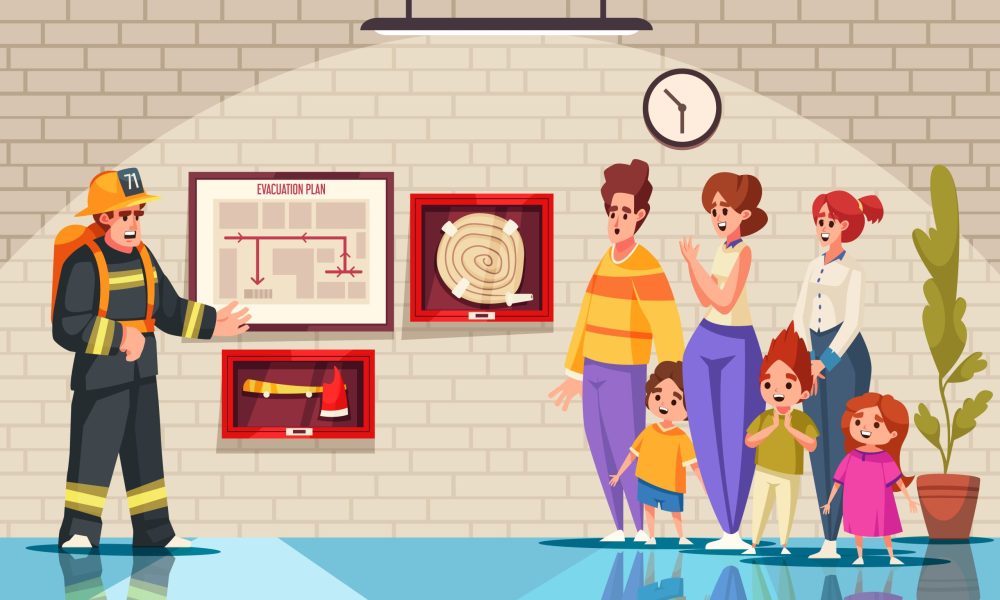
No one ever expects to wake up to the shrill sound of a smoke alarm. We all like to think a house fire is something that happens to someone else, but emergencies strike without warning. When a room fills with smoke, panic sets in instantly, and you only have a matter of minutes to get everyone out safely. While dealing with the aftermath of a blaze means relying on fire damage restoration professionals to repair your property, your only job during the actual event is survival. That’s why having a solid evacuation plan is non-negotiable. Planning ahead of time takes the guesswork out of a terrifying situation, ensuring your family knows exactly what to do. Here’s how to create a reliable escape route and, more importantly, how to get your entire household to practice it.
Map Out Your Exits
The first step in building an evacuation strategy is visualizing your space. Sit down at the kitchen table with your kids and draw a simple map of your home. It doesn’t need to be a masterpiece; a basic box layout of your floor plan works perfectly. Walk through every single room on the paper and identify two ways out.
Usually, the first exit is the main door leading to the hallway. The second exit is almost always a window. If your home has a second story, figure out how someone would safely escape from those upper windows. You might need to invest in escape ladders for the upstairs bedrooms. Store these ladders right next to the window, and make sure older children know how to deploy them. Drawing this map together helps younger kids visualize the escape routes without feeling overwhelmed. Once the map is finished, stick it on the fridge where everyone can see it daily.
Assign Specific Responsibilities
During an emergency, confusion costs precious time. You can’t have two parents running to the same bedroom while another child is left waiting. To prevent this, assign clear roles to every capable adult and older teen in the house.
Decide who’s responsible for grabbing the baby, who’ll help an elderly grandparent, and who’s in charge of getting the family dog on a leash. If you have older teenagers, you might assign them the task of checking the hallway before opening their doors or helping a younger sibling in the next room. Having predetermined responsibilities ensures nobody gets left behind and prevents the chaotic scenario of family members running back inside a burning building because they aren’t sure if someone else made it out. Make sure your kids know their only job is to get outside and stay outside.
Establish a Designated Meeting Spot
Once everyone is out of the house, they need a safe place to gather. Pick a dedicated meeting spot a good distance away from your property. A neighbor’s driveway, a specific oak tree down the street, or the neighborhood mailbox are all great options.
This meeting spot serves a vital purpose. When the fire department arrives, their very first question will be about whether anyone is still trapped inside. If your family is scattered all over the street, you won’t be able to give the firefighters a confident answer. Gathering at one specific location allows you to do a quick headcount so you can immediately tell the first responders that everyone is safe. When choosing the spot, ensure it’s far enough away to keep your family clear of arriving fire trucks and emergency personnel.
Make Practice Realistic but Fun
Having a plan on paper won’t do much good if your family freezes up when the alarm actually sounds. Muscle memory is your best friend in an emergency, which means you’ve got to practice your escape routes regularly. However, you don’t want to terrify your young children in the process.
Turn your fire drills into a game. Challenge your kids to see if they can get from their bedrooms to the meeting spot in under two minutes. Teach them how to crawl low to the ground to avoid inhaling smoke. You can even blindfold them or turn off all the lights to simulate what it’s like navigating a dark, smoky hallway. Have them practice feeling their bedroom door with the back of their hand to check for heat before opening it. If the door is hot, they need to know how to pivot to their secondary exit immediately.
Run Surprise Drills at Night
Most fatal home fires happen late at night when everyone is deep in sleep. A daytime drill is great for initial learning, but a nighttime drill tests how your family actually reacts when groggy and disoriented.
Once your kids are comfortable with the daytime practice, warn them that you’ll be running a surprise drill sometime in the next month. When the night comes, press the test button on your smoke detector and start the timer. Watch how they react. Do they remember to stay low? Do they go to the correct meeting spot? Afterwards, gather everyone together and talk about what went well and what needs improvement. Doing this twice a year ensures the routine stays fresh in their minds.
Protecting What Matters Most
You can replace furniture, clothes, and appliances; you can’t replace a life. Dedicating just a few hours a year to drawing up an escape route and running a few practice drills gives your family a fighting chance if the unthinkable ever happens. It replaces panic with purpose and confusion with clarity. Don’t wait for a close call to realize you need a strategy. Sit down tonight, sketch out your home, check your smoke alarms, and start building a routine that could very well save the people you love most.