
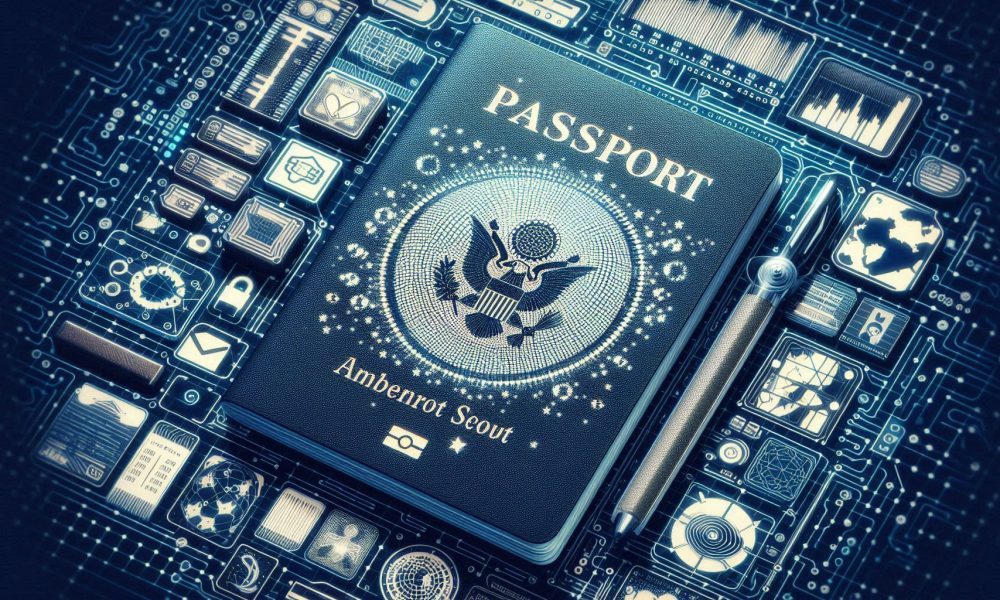
In a world increasingly defined by digital records, biometric markers, and international mobility, identity has become both a powerful asset and a potential liability.
Building and safeguarding identity in 2025 is no longer a simple matter of holding a passport or a driver’s license. It is a sophisticated process that blends legal frameworks, privacy protections, and strategic planning. For individuals, families, and organizations, mastering the art of identity building is not merely a matter of compliance; it is a matter of security, opportunity, and resilience. Amicus International Consulting examines how identity building has become both a global necessity and a personal strategy for those navigating a complex world.
Why Identity Building Matters
Identity is the foundation of modern life. It is the key to opening a bank account, securing employment, enrolling in school, or crossing borders. Yet identity is also fragile. Data breaches, legal disputes, political instability, and surveillance have exposed millions to identity theft, loss of privacy, or worse.
For many, identity building is no longer about creating a singular, static persona, but about developing a flexible and resilient framework of legal, digital, and strategic protections. This transformation explains why governments, businesses, and private individuals are increasingly investing in structured identity building as a proactive measure.
The Legal Foundations of Identity
The first pillar of identity building is law. Every state and jurisdiction governs the issuance, recognition, and modification of identity documents. From birth certificates to passports, legal documents anchor a person’s existence in the eyes of the law. In the United States, name change procedures, Social Security records, and Department of Motor Vehicles synchronizations form a significant part of the personal legal framework.
In Canada, provincial registries handle civil documentation, while federal systems regulate passports and cross-border status. Across Europe, identity frameworks are influenced by both national law and supranational standards, such as the European Union’s push for harmonized e-ID systems under the eIDAS regulation.
In Asia, systems such as India’s Aadhaar and Singapore’s Singpass create nationwide identifiers tied to biometric data. These legal frameworks can either support or complicate reinvention, depending on how well they align with personal objectives. Mastering them is essential for building a lawful and sustainable identity.
Privacy in the Age of Surveillance
The second pillar of identity building is privacy. With governments and corporations collecting unprecedented amounts of data, individuals are more exposed than ever. Biometric borders, surveillance cameras, and mandatory SIM card registrations leave little room for anonymity. Yet privacy is not dead.
Strategic identity building involves understanding and leveraging privacy laws such as the European GDPR or the California Consumer Privacy Act. These frameworks grant individuals the right to correct, delete, or restrict the processing of their personal data. At the same time, identity building must account for the digital trail left on social media, financial records, and online platforms. Creating layered identities, managing visibility, and selectively disclosing information are key strategies for preserving privacy while maintaining compliance with the law.
Strategy: The Third Pillar of Identity
The final pillar is strategy. Law and privacy provide the rules of the game, but strategy defines how individuals and organizations navigate them. Strategic identity building involves sequencing legal steps, aligning privacy protections, and anticipating cross-border challenges to ensure a cohesive approach. For example, an individual seeking a second passport must strategize not only the legal requirements of the citizenship-by-investment program but also the tax implications, data-sharing treaties, and reputational considerations of their new identity.
Strategy also involves knowing when to reveal or conceal certain aspects of one’s identity, such as minimizing online exposure during sensitive relocations or protecting corporate ownership structures through lawful trusts and holding companies. Without a strategy, identity building becomes fragmented and vulnerable.
Case Study: A North American Professional’s Legal Reinvention
A Canadian professional facing reputational damage after a failed business pursued a legal name change and synchronized it with federal and provincial records. The individual then strategically relocated to the United States, where state licensing boards were updated with the new identity. Privacy protections were engaged by limiting exposure on social media and using controlled digital platforms to rebuild a professional reputation. The case illustrates how law, privacy, and strategy intersect to create a coherent identity framework that supports reinvention without compromising legality.
Case Study: Gender Identity and Privacy in Europe
In Spain, a young professional transitioning genders leveraged the country’s legal framework to secure recognition of their gender identity. New documents were issued, from passports to university diplomas. Privacy became central when updating digital footprints, with GDPR provisions invoked to correct online records.
A strategy was applied to sequence changes, avoiding gaps in professional recognition, and ensuring that employers and licensing boards had updated records. This case illustrates how combining legal rights, privacy protections, and strategic planning enables individuals to align their public and private identities with their authentic selves.
Identity Building Through Citizenship and Residency Programs
Global mobility has become a key driver of identity building. Citizenship-by-investment (CBI) and residency-by-investment (RBI) programs enable individuals to establish identities across multiple jurisdictions. Caribbean nations like Dominica and St. Lucia offer citizenship pathways that provide second passports, while countries like Portugal and Greece offer residency options that grant mobility across Europe.
These programs are not only about travel freedom but also about identity diversification, enabling individuals to hold parallel frameworks of rights, protections, and opportunities. For high-net-worth families, CBI and RBI programs are central to identity strategy, balancing global access with financial and legal security.
Case Study: Caribbean Citizenship Strategy
A South Asian family seeking both safety and mobility applied for Dominican citizenship through investment. Legal compliance was handled through rigorous due diligence, while privacy considerations were addressed by carefully managing disclosure of the new nationality. Strategically, the family aligned the new citizenship with educational and financial goals, enabling their children to study abroad while the parents accessed global banking options. The result was a layered identity framework built across multiple jurisdictions, enhancing resilience and opportunity.
Identity Building and Corporate Structures
Organizations, like individuals, engage in identity building. Businesses facing reputational crises or pursuing global expansion often restructure under new names, jurisdictions, or legal frameworks. Law is critical, as corporate registration, licensing, and compliance must align with the host country’s requirements.
Privacy is equally relevant, as corporate ownership transparency laws, such as those implemented by the Financial Action Task Force (FATF), can expose beneficial owners. Strategy involves selecting jurisdictions with favorable rules, striking a balance between transparency and privacy, and managing global reputational risks. Corporate identity building is thus a parallel process, showing that identity is not only personal but institutional.
Case Study: Corporate Identity Reinvention
A European company facing reputational challenges due to a data breach relocated its headquarters to a jurisdiction with stronger privacy protections and rebranded under a new corporate structure. Legal steps included reincorporation and compliance with international trade laws and regulations. Privacy protections were enhanced by limiting the exposure of corporate records, while the strategy involved aligning the rebrand with new market opportunities in Asia. The case shows that corporate identity building requires the same triad of law, privacy, and strategy that individuals must master.
The Role of Technology
Technology is both a tool and a challenge in identity building. Digital IDs, blockchain-based verification, and biometric systems provide efficiency but also raise questions of control and oversight. Identity builders must understand not only how to comply with technological requirements but also how to manage digital visibility strategically.
Estonia’s e-Residency program demonstrates how technology can empower global entrepreneurs by providing secure digital identities recognized by the state. Yet reliance on digital systems also introduces vulnerabilities, as cyberattacks and data leaks can expose sensitive personal details. Building identity in 2025 requires a combination of technological literacy and expertise in legal and privacy matters.
Case Study: Digital Reinvention in Estonia
An entrepreneur from Latin America became an e-Resident of Estonia, leveraging the program to establish a European Union–based digital company. Legal compliance was straightforward, but privacy was preserved by carefully managing digital access rights and limiting exposure of personal records.
The strategy involved utilizing the e-Residency to bridge the gap between Latin American markets and European clients. The digital reinvention provided global reach without physical relocation, showing how technology can be a central component of modern identity building.
Humanitarian Dimensions of Identity Building
Identity building is not only a privilege of the wealthy or the strategic. For refugees, asylum seekers, and survivors of persecution, it is often a matter of survival. Legal frameworks such as asylum laws, refugee conventions, and humanitarian visas provide pathways for rebuilding identity in new countries. Privacy is essential, as exposure can endanger both the individual and their family. Strategy becomes critical in navigating bureaucratic hurdles, sequencing documentation, and integrating into host societies. For vulnerable populations, identity building is both a right and a necessity.
Case Study: Refugee Reinvention in East Africa
A refugee from South Sudan, resettled in Kenya, used the Huduma Namba digital identity system to integrate into Kenyan society. Legal registration provided access to healthcare and education, while privacy was maintained by limiting exposure to sensitive data. Then, the strategy involved aligning new documentation with employment opportunities. This case illustrates that identity building is as relevant in humanitarian contexts as it is in corporate boardrooms.
Psychological Aspects of Identity Building
Beyond law, privacy, and strategy, identity building carries psychological weight. Reinvention can bring empowerment, closure, and resilience, but it also carries risks of alienation or conflict with social networks. Managing identity transitions requires not only administrative skill but emotional intelligence. Counseling, support networks, and resilience-building are often overlooked but crucial components of sustainable identity building.
The Risks of Poorly Executed Identity Building
While the rewards of identity building are significant, failures can be devastating. Missteps in legal processes, overexposure of personal data, or poorly timed strategies can collapse an entire reinvention effort. Common risks include:
Legal Rejection: Courts may deny name change petitions if procedures are incomplete or appear fraudulent. Citizenship applications can be refused due to a lack of due diligence.
Digital Exposure: An old social media post or leaked record can undermine the credibility of a new identity.
Cross-Border Conflicts: Holding multiple citizenships may violate the laws of one jurisdiction, exposing individuals to penalties and fines.
Financial Misalignment: Poorly planned tax strategies can create double taxation or compliance violations.
Psychological Stress: Failed identity transitions can erode trust and stability, leaving individuals worse off than before.
Case Study: A Failed Reinvention Attempt
A Central European entrepreneur attempted to reinvent themselves after business failure by applying for a Caribbean citizenship-by-investment program. However, inconsistencies in financial records triggered rejection. The rejection became public, further damaging the reputation. The individual failed to apply privacy protections and did not sequence strategy properly, leaving both legal and digital identities fragmented. This case underscores the importance of professional guidance and structured planning in identity building.
Case Study: Digital Footprint Collapse
A North American professional changed their legal name but failed to update their online records. Old news articles and cached websites exposed the previous identity, undermining the reinvention. Employers and licensing boards easily connected the dots, and the individual faced renewed reputational harm. This case demonstrates that identity building must extend beyond legal documents to digital ecosystems.
The Role of Law Enforcement and Oversight
Governments monitor identity changes carefully to prevent misuse. INTERPOL notices, biometric watchlists, and cross-border data-sharing agreements are designed to detect fraudulent attempts at reinvention. For law-abiding individuals, this highlights the importance of transparency and compliance. For those attempting shortcuts or false documentation, these systems ensure failure. Strategic identity building must therefore align with lawful processes and anticipate oversight mechanisms.
Case Study: Corporate Transparency Pitfalls
A multinational firm attempted to conceal beneficial ownership through the use of shell companies. However, transparency laws in Europe and North America exposed the arrangement, leading to regulatory fines and reputational damage. The company had pursued privacy without legal or strategic balance, leading to collapse. This case demonstrates that successful identity building requires harmonizing all three pillars, rather than over-relying on any one of them.
Global Trends and the Future of Identity
Looking forward, identity building will only grow in relevance. Global migration, technological advancements, and increasing awareness of privacy rights will drive demand for lawful, strategic identity solutions. Governments will continue balancing security with human rights, tightening verification systems while also recognizing the legitimacy of identity transitions. Businesses will adapt by offering services in digital security, legal compliance, and strategic planning. Individuals will increasingly view identity not as fixed but as something to be curated, built, and protected.
Reinvention as a Human Right
Scholars and human rights advocates increasingly argue that the ability to redefine one’s identity should be recognized as a fundamental right. Whether tied to gender, culture, or political asylum, the right to reinvent oneself underscores the principle of human dignity. Legal systems are gradually moving toward recognizing this right, incorporating reinvention into international human rights frameworks.
Conclusion
The art of identity building lies in balancing three forces: law, which legitimizes; privacy, which protects; and strategy, which guides. By 2025, mastering this art will no longer be optional. It is essential for professionals seeking reinvention, families pursuing security, businesses navigating global markets, and vulnerable populations seeking survival.
By combining legal frameworks, privacy protections, and strategic foresight, identity building becomes not just a process but a pathway to empowerment and resilience in an uncertain world. Failures occur when one pillar is neglected; however, when all three are combined effectively, identity building provides a foundation for security, opportunity, and long-term success.
Contact Information
Phone: +1 (604) 200-5402
Signal: 604-353-4942
Telegram: 604-353-4942
Email: [email protected]
Website: www.amicusint.ca




