
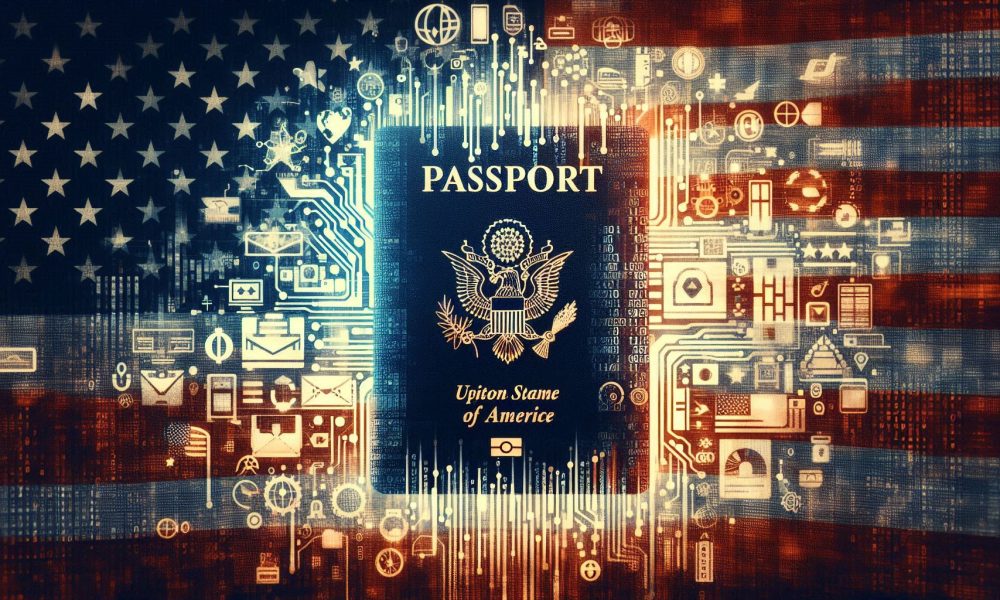
The Rise of Biometrics in Global Travel and Security
In the twenty-first century, anonymity is one of the rarest privileges. Once taken for granted in travel, commerce, and even simple social exchanges, anonymity has been dramatically reduced by the rise of biometric systems that now govern airports, seaports, government identification processes, and law enforcement operations across the globe.
From fingerprint scanners at border crossings to facial recognition cameras embedded in urban infrastructure, the age of biometrics has introduced both unprecedented security effectiveness and serious questions about privacy, legality, and personal freedom. For professionals, travelers, and migrants seeking to move lawfully through the world, the challenge has become navigating a system where identity is no longer presented but confirmed through immutable physical characteristics.
Border Evolution: From Documents to Biometric Corridors
Traditional border controls were designed around paper documents, manual inspections, and human judgment. Today, the shift has been toward automated biometric corridors where travelers are funneled through systems that simultaneously scan faces, validate passports, and cross-check multiple databases in seconds.
At Singapore’s Changi Airport, passengers move seamlessly through biometric-only boarding processes. In Europe, the Schengen Entry/Exit System records every crossing of third-country nationals, utilizing both facial recognition and fingerprint technology. In North America, U.S. Customs and Border Protection integrates facial recognition technology with flight manifests, verifying the identities of millions of passengers annually.
Seaports have adopted similar strategies. Cruise passengers entering the United States now undergo biometric exit and entry scans, while container ports use biometric access control for workers. At land borders, iris and fingerprint scanning has become standard in the Gulf states. At the same time, refugee camps managed by the United Nations High Commissioner for Refugees rely on biometric verification to prevent fraud in the distribution of aid.
Case Study: The Refugee Camp Biometric System
In Jordan, refugees receive food aid and medical services only after biometric verification, typically through iris scans. This ensures that aid is distributed fairly and prevents duplication of identity. Yet, for some refugees, it creates tension: biometrics permanently tie them to records, complicating future relocation or resettlement.
Law Enforcement Effectiveness and Global Cooperation
The adoption of biometrics has significantly enhanced law enforcement effectiveness. Interpol maintains vast biometric databases accessible to member states, covering fingerprints, facial data, and even DNA profiles. Countries can instantly verify whether a traveler’s biometrics match those of fugitives, missing persons, or suspects. Europol’s joint operations utilize biometric cross-matching to identify traffickers, smugglers, and members of organized crime operating under multiple aliases.
In Africa, biometric border programs funded by international organizations have disrupted human trafficking routes, as law enforcement identifies repeat offenders attempting to move across porous borders. In Latin America, biometric exit and entry programs have curtailed passport fraud, a standard method once used by criminal networks.
Case Study: Interpol Match at a European Airport
A traveler using forged documents was flagged when biometric gates detected inconsistencies between facial scans and passport chip data. Within minutes, Interpol systems confirmed the individual was wanted for serious financial crimes in another jurisdiction. The speed of the identification prevented the suspect from escaping further into the Schengen Area.
Legal Tensions Between Biometric Security and Privacy
While these systems enhance security, they also create conflicts with privacy and lawful anonymity. Individuals who have undergone legal name changes or who relocate for protection often find that biometric systems inadvertently expose them. Unlike names or documents, biometrics cannot be changed without surgical or extreme intervention.
This reality creates ethical debates: should governments retain biometric data indefinitely, or should records be deleted once a person has complied with legal processes? Should asylum seekers have their biometrics shared with their countries of origin, knowing that doing so could put them in danger? Should whistleblowers be under protection from risk exposure at international airports? These questions remain unsettled, and practices vary widely by region.
Case Study: Asylum Seeker Denied Privacy
In one Middle Eastern jurisdiction, a refugee’s biometric information was inadvertently shared with their home country during a verification process. This created a direct security risk for their family. Although corrective action was later taken, the case highlights the risks associated with systems lacking robust legal safeguards.
Regional Approaches to Biometrics and Data Protection
The European Union’s GDPR treats biometric data as highly sensitive, requiring that its collection and use be based on necessity and proportionality. This has provided a framework for lawful anonymity programs, allowing protected individuals to travel while minimizing exposure. By contrast, in parts of Asia, biometric surveillance is widespread, with little legal recourse for individuals who wish to limit retention.
Gulf states often require biometrics as mandatory components of residence visas, making anonymity impossible within their jurisdictions. In the Caribbean, small states deploying biometric programs for citizenship applicants focus more on fraud prevention than on long-term retention, striking a different balance.
Case Study: Caribbean Residency Applicant
A professional applying for residency in a Caribbean country underwent biometric checks as part of the application process. The data was retained locally but not shared internationally. For the applicant, this meant enhanced privacy compared to jurisdictions where data is immediately shared across borders.
The United States and Fragmented Privacy Laws
The United States exemplifies the challenges of fragmented regulation. While biometric systems expand across airports, seaports, and border crossings, privacy oversight remains inconsistent. Some states, such as Illinois, have enacted biometric privacy laws requiring consent and limiting retention.
However, at the federal level, broad exemptions for law enforcement leave travelers with limited protections. For lawful anonymity seekers, this creates complexity: what is protected in one state may not apply elsewhere.
Case Study: Dual Citizen Traveler
A professional who had lawfully changed identity and obtained dual citizenship through a North American and Caribbean passport found that U.S. systems still flagged biometric matches to older records. The issue was resolved only after presenting sealed court orders and legal documentation, highlighting the importance of preparation.
Strategies for Lawful Anonymity in the Biometric Era
Anonymous careers and lawful anonymity do not mean avoiding biometrics altogether. Instead, they require proactive planning. Professionals relocating after lawful identity changes should ensure that credentials and court orders are updated in all jurisdictions where they intend to travel.
Asylum seekers must work with legal teams to guarantee that confidentiality protections are respected during biometric submissions. Families relocating should research jurisdictions where biometric retention is limited.
Amicus International Consulting recommends strategies such as:
Securing second citizenships or residencies in jurisdictions with strong privacy protections
Using sealed court documents to link old and new identities in a controlled way
Practicing digital hygiene to minimize searchable biometric-linked traces
Planning travel routes to avoid jurisdictions with aggressive biometric sharing policies
Coordinating with consulates or international organizations for protected entries
Case Study: Whistleblower Traveling for Work
A whistleblower, relocated under a lawful identity change, attempted to attend a professional conference abroad. By securing a letter from the host country’s data protection authority, confirming anonymity protections, the traveler was able to participate without exposure, showing that institutional coordination can overcome biometric risks.
Biometric Success Stories in Law Enforcement
Authorities consistently cite biometric programs as one of the most effective tools against transnational crime. Interpol and Europol have reported hundreds of fugitives captured annually due to biometric mismatches. Biometric visa programs prevent overstays by linking entries to identities permanently, reducing fraudulent documentation. Airline passenger screening systems have flagged terrorism suspects before boarding, preventing potential tragedies.
Case Study: Airport Facial Recognition Success
In Asia, an airport system flagged a passenger attempting to board a flight under a stolen passport. Facial recognition identified inconsistencies, and the passenger was later found to be involved in an organized trafficking network. The capture was made possible only through biometric integration.
Risks of Over-Surveillance and Abuse
However, the effectiveness of biometrics must be weighed against the risks of over-surveillance. Indefinite retention, lack of consent, and absence of oversight can create systemic dangers. Data breaches of biometric repositories are particularly concerning, as unlike passwords, biometrics cannot be reset.
Critics argue that governments should adopt strict deletion policies and create independent oversight agencies. For lawful anonymity seekers, over-surveillance means that their protections can be undermined, even after courts or international bodies have granted them new identities.
Case Study: Biometric Data Breach in Asia
An extensive database of facial scans used by a metropolitan transportation system was leaked, exposing the personal information of millions of passengers. Among them were individuals in lawful anonymity programs. This raised alarm over the risks of storing biometric data without robust cybersecurity safeguards.
Employer and Institutional Adaptation
Employers are also adapting to biometric-heavy systems. International companies often handle employees who relocate under new identities, requiring HR protocols to manage confidential verification while respecting privacy. Universities face similar issues when admitting students under protected identities. By developing secure internal processes, institutions can ensure compliance without exposure.
Case Study: Technology Firm Protocols
A European technology company created an internal policy for hiring professionals with identity changes, involving external legal counsel for confidential background verification. This allowed the company to hire skilled workers without risking exposure to or non-compliance with regulations.
Future Outlook: AI and the Expansion of Biometrics
Artificial intelligence expands biometrics beyond the traditional. Systems now analyze gait, voice, heartbeat rhythms, and even behavioral signatures. Global partnerships are being formed to standardize biometric exchanges, making identification faster. At the same time, privacy advocates are pushing for stronger checks, demanding international conventions on the use of biometrics. The balance of power between states and individuals will define the future of lawful anonymity.
Case Study: The Family in Transition
A family fleeing conflict relocated to Europe under a humanitarian program. While biometric records identified them at the border, data protection rules ensured that their information was not shared with hostile states.
Conclusion: Balancing Security and Privacy
In conclusion, anonymity in the age of biometrics is neither absolute nor impossible. It is a matter of law, planning, and finding the right balance. Border controls and law enforcement effectiveness will continue to depend on biometric systems, but lawful pathways exist for those who require protection.
Amicus International Consulting continues to work with individuals, families, and institutions as they navigate these challenges, ensuring that, in an era of powerful surveillance, the principles of dignity, privacy, and legality remain intact.
Contact Information
Phone: +1 (604) 200-5402
Signal: 604-353-4942
Telegram: 604-353-4942
Email: [email protected]
Website: www.amicusint.ca




