
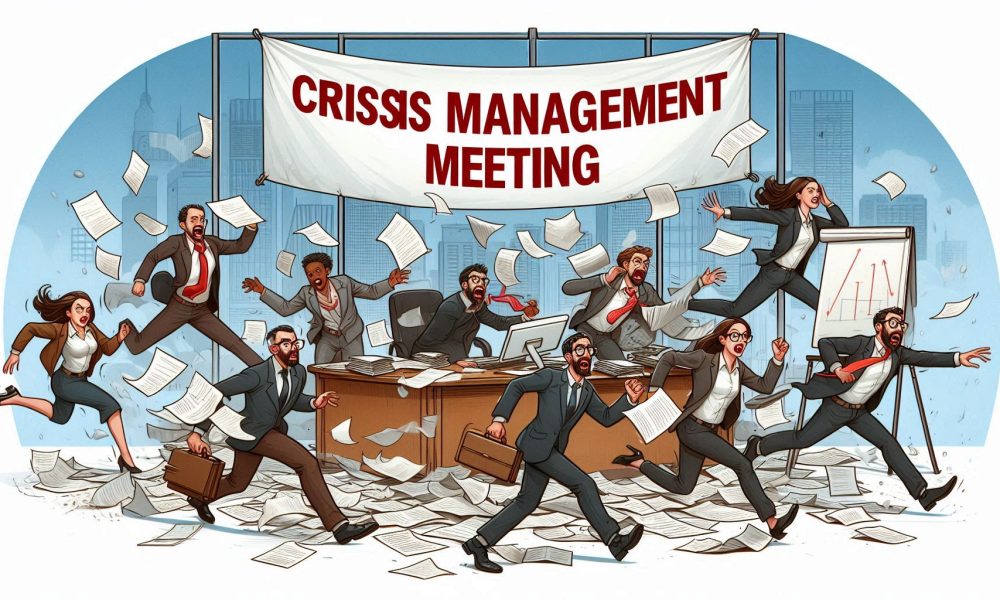
Amicus Issues Community Engagement Playbook
VANCOUVER, British Columbia, August 19, 2025 – Amicus International Consulting has released a comprehensive community engagement playbook aimed at helping corporations salvage brand reputation after environmental mishaps that provoke widespread backlash. From oil spills to air quality exceedances, environmental incidents trigger immediate scrutiny from regulators, communities, investors, and the media. Amicus emphasizes that reputation recovery in these cases requires more than polished press releases. It demands transparency, credible action, and long-term community partnership.
Why Environmental Mishaps Are Different
Environmental crises differ from other categories of corporate missteps because they directly affect public health, ecological stability, and daily life in surrounding communities. Unlike a pricing backlash or a CEO misstatement, an environmental incident can cause tangible harm: children breathing polluted air, rivers rendered unsafe, or crops tainted by chemical runoff. This makes reputational damage harder to contain.
Communities typically respond with organized pressure, drawing on activist networks, local governments, and NGOs. Media outlets amplify these voices, often framing the company as negligent unless strong countermeasures are evident. With the advent of social media, images of oil-coated birds, orange-colored rivers, or neighborhoods enveloped in smoke can spread globally within hours, placing immediate strain on corporate communications teams.
Amicus underscores that the first impression formed by the public often dictates the trajectory of reputational recovery. Companies that appear evasive or dismissive in the first 72 hours may spend years trying to regain credibility. Conversely, those that act transparently, admit shortcomings, and engage communities constructively can transform even severe incidents into opportunities to reposition as sustainability leaders.
The Amicus Community Engagement Playbook
The Amicus playbook sets out structured steps across three timelines: the immediate 72-hour window, the critical first 90 days, and the long-term reputation rebuild phase. Each stage contains guidance tailored to environmental crises, recognizing the heightened expectations communities have in these circumstances.
Immediate Phase (First 72 Hours):
Rapidly notify regulators, emergency services, and the public about the incident.
Deploy containment equipment and remediation teams with visual documentation shared publicly.
Establish an emergency information line and provide real-time updates.
Hold a press briefing with independent environmental consultants present to validate facts.
Avoid minimizing the incident. Instead, express empathy, acknowledge impact, and commit to solutions.
Short-Term Phase (First 90 Days):
Convene a neighborhood advisory council with residents, local officials, and health experts.
Publish transparent monitoring data through independent platforms.
Offer direct support: medical screenings, bottled water, temporary housing, or economic relief.
Launch partnerships with universities or NGOs to analyze long-term risks.
Announce specific remedial commitments, such as reforestation, wetland restoration, or emission upgrades.
Long-Term Phase (Beyond 90 Days):
Issue quarterly updates with measurable progress on remediation.
Fund local education and sustainability initiatives.
Establish a permanent environmental oversight committee with community seats.
Integrate new safety standards into corporate governance, with board-level accountability.
Document all progress publicly in multiple languages to maximize accessibility.
The Amicus framework stresses that credibility hinges on independent validation. Companies cannot expect the public to trust their metrics. Third-party monitoring, verified by academic or non-governmental entities, adds legitimacy that cannot be replicated by corporate self-reporting.
Case Study 1: Logistics Depot Funds Air Monitors and Establishes Neighborhood Advisory Council
In one North American city, a logistics depot suffered reputational damage after a multi-day power outage caused emissions that exceeded regulatory thresholds. Nearby residents reported respiratory distress and organized a neighborhood protest.
Following Amicus’s playbook, the company responded within 48 hours by hosting a town hall where leadership admitted responsibility. It funded air quality monitors for schools and allowed independent scientists to publish findings. Within 90 days, the company created a neighborhood advisory council, launched free health check-ups, and built an online emissions dashboard.
One year later, local surveys indicated that trust, while initially eroded, had been significantly restored. Regulators praised the company’s transparency, and insurers stabilized premiums after confirming remedial actions.
This case illustrates that even in urban environments with heightened community activism, transparency, and inclusivity can shift public perception.
Case Study 2: Energy Company Rebuilds After Offshore Spill
An energy company operating offshore experienced a containment failure that released oil into coastal waters. Images of tar balls on beaches went viral, sparking outrage in fishing communities. Activists demanded a permanent shutdown of operations.
Rather than denying impact, the company adopted Amicus’s framework:
Immediate deployment of cleancups with live-streamed footage to demonstrate effort.
Direct compensation to fishermen for lost income.
A scientific research fund managed by a local university to monitor ecological recovery.
Establishment of a permanent coastal stewardship program employing residents.
Over the following three years, the company funded mangrove restoration and implemented stricter operational standards. Although the incident initially damaged its reputation, the company gradually repositioned itself as an industry leader in marine ecosystem restoration, cited in sustainability reports by investors as a model for incident response.
Case Study 3: Mining Operator Restores Habitat After Chemical Runoff
A mining operator faced severe backlash after a containment dam failure contaminated a river system in a rural region. Residents lost access to clean water, and wildlife mortality was recorded in the thousands.
The company’s initial attempts to downplay the incident fueled anger. After consulting Amicus, the operator shifted strategies:
Immediate provision of bottled water and medical support.
Independent assessment by an international environmental NGO.
Public commitment to habitat restoration, with visible replanting projects launched within 90 days.
Establishment of a permanent ombudsperson office in the affected community.
Years later, follow-up studies showed recovering biodiversity, and the company integrated lessons into global operations. The incident became a training case within the mining industry for crisis-driven transformation.
Case Study 4: Manufacturer Funds Water Cle Cleanup Scholarship Program
A manufacturer faced reputational collapse after illegal discharge of waste into a river was exposed by a whistleblower. Beyond regulatory fines, consumer boycotts threatened its survival.
The company pivoted aggressively by adopting Amicus’s community engagement playbook. It launched a multimillion-dollar water cleanup initiative co-managed with a local university and funded scholarships for local students pursuing environmental science degrees. These visible commitments gradually softened public perception and helped restore investor confidence.
The Role of Media and Information Control
Environmental crises are amplified by media coverage. Amicus warns against the instinct to stonewall. Speculation, activist narratives, or leaked documents quickly fill information vacuums. Instead, companies must provide a steady flow of factual updates. Even when facts are unfavorable, transparency builds long-term credibility.
Amicus advises using multilingual platforms, local radio, and community newspapers to ensure outreach is not confined to elite audiences. In marginalized communities, trusted local figures can serve as effective messengers to counter skepticism.
Aligning Legal and PR Strategies
Environmental incidents often trigger lawsuits and regulatory investigations. Lawyers may advise limiting admissions of responsibility, but excessively defensive strategies risk worsening public perception. Amicus recommends carefully balanced statements that acknowledge impact and express commitment to remedies without undermining legal positions. Collaboration between legal teams and communications specialists is essential to achieve this balance.
Investor and ESG Implications
Investors increasingly evaluate companies on ESG performance. Mishandling environmental incidents can lead to divestment, credit downgrades, or higher capital costs. Amicus highlights that transparent remediation not only salvages brand reputation but also protects access to finance. Companies that integrate ESG accountability after incidents often regain investor trust faster than those that rely solely on litigation defenses.
Global Relevance and Cultural Context
Amicus stresses that community engagement strategies must be tailored to local cultural contexts. In some regions, traditional leaders or elders play decisive roles in shaping community opinion. In others, activist networks or labor unions are central. Recognizing these dynamics is crucial for authentic engagement.
Internal Employee Communication
Employees often become informal spokespersons during crises. Amicus advises internal briefings, Q&A documents, and training sessions to prevent inconsistent narratives. Clear messaging ensures employees do not inadvertently undermine official communication.
Turning Crisis Into Opportunity
While environmental mishaps are damaging, companies that commit to transparent remediation can reposition themselves as industry leaders in sustainability. Amicus emphasizes that authentic recovery requires years of consistent action, not short-term gestures. Corporations that embrace this approach may ultimately emerge stronger, with reputational resilience built on demonstrated accountability.
Conclusion
Environmental incidents are among the most severe tests of corporate reputation. Amicus International Consulting’s community engagement playbook provides corporations with structured, practical steps for managing crises from the first 72 hours through long-term recovery. The central message is clear: only genuine transparency, community partnership, and independent validation can salvage brand reputation after environmental missteps.
Contact Information
Phone: +1 (604) 200-5402
Email: [email protected]
Website: www.amicusint.ca




