
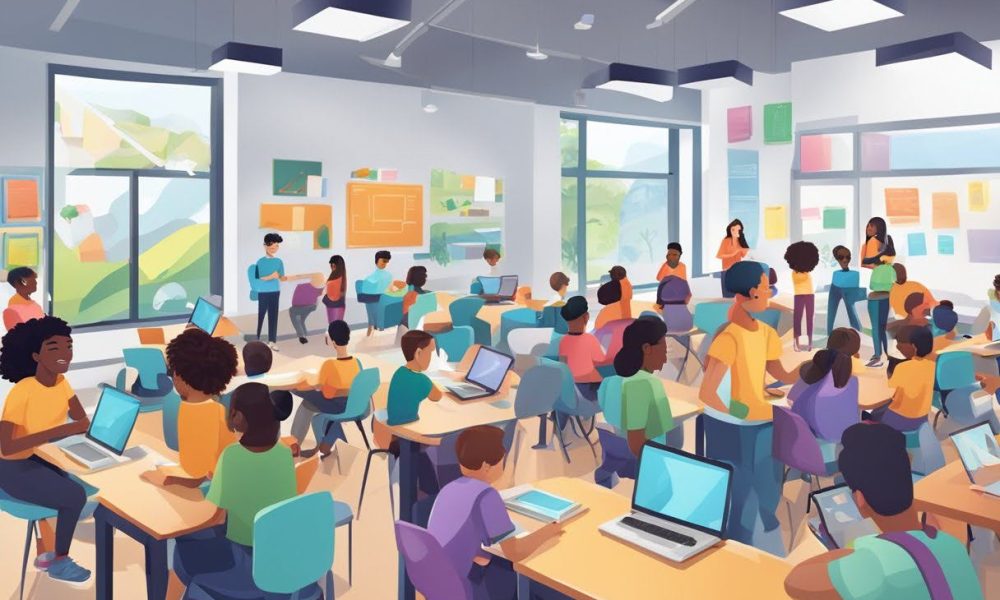
Youth Champions stands at the forefront of educational transformation, redefining youth empowerment through an array of innovative programs. By integrating leadership and financial literacy training, the organization equips young people with essential skills for personal development. These initiatives are designed to empower youth by fostering confidence and leadership abilities, ensuring they can effectively contribute to their communities.
The organization’s commitment to personal growth is evident in its collaborations with local schools and community groups. These partnerships focus on reaching underserved communities, creating inclusive environments where all participants can learn and thrive. Youth Champions harnesses tailored workshops, mentorship opportunities, and community-based projects to drive impactful change.
Youth Champions’ programs aim to build a generation of future leaders who are not only aware of their potential but are also prepared to harness it fully. With a robust structure that supports the individual development of its participants, it exemplifies an educational model that other institutions can aspire to. Through these efforts, Youth Champions is actively reshaping how education and development intersect for youth today.
Revolutionizing Education with Youth-Led Initiatives
Young leaders are driving transformative change in education by identifying educational gaps, implementing successful programs, and assessing their impact. They empower communities through innovative approaches and provide opportunities for personal and academic growth.
Identifying Educational Gaps and Opportunities
Youth-led initiatives excel in pinpointing educational gaps through direct engagement with their communities. They have a unique understanding of local needs and challenges, enabling them to address issues such as access to quality education, lack of resources, and outdated curricula.
By collaborating with educational institutions and stakeholders, young innovators create tailored solutions. These solutions often include modern teaching methods, culturally relevant content, and the incorporation of technology to enhance learning experiences. Through surveys and community feedback, these groups remain attuned to changing educational landscapes, adapting strategies to better meet students’ needs.
Case Studies: Successful Youth-Led Educational Programs
Various programs highlight the success of youth-driven efforts in education. One notable example is CAMFED’s collaboration with government ministries to scale youth-led initiatives. Their focus on improving learning outcomes and providing post-school opportunities for marginalized children, particularly girls, has made significant strides.
In another instance, youth organizations partner with local governments to implement mentorship programs that connect students with role models in higher education and professional fields. These programs not only foster academic achievement but also build confidence and leadership skills among participants.
Additionally, innovative workshops and community projects have extended education beyond traditional settings, preparing young people to engage actively with the world around them.
Impact Assessment: Outcomes of Youth Empowerment in Education
Youth empowerment initiatives have demonstrably improved educational outcomes by fostering a sense of agency among students. These programs often result in higher enrollment rates, improved academic performance, and increased engagement in educational activities.
The empowerment of youth through leadership roles helps dismantle barriers related to economic status, gender, and ethnicity. By actively participating in shaping educational policies and systems, young people drive social change and promote a more inclusive environment.
Quantitative data from these initiatives reveal a positive trend in bridging the educational divide, while qualitative assessments highlight enhanced critical thinking skills and community involvement, illustrating the multifaceted benefits of youth-led education reform.
Building Blocks of Personal Development in Youth Programs
Personal development in youth programs focuses on fostering leadership, enhancing critical thinking, and supporting emotional intelligence. Each of these elements plays a crucial role in preparing young people to thrive personally and professionally.
Cultivating Leadership Skills and Self-Confidence
Youth programs are designed to develop leadership by offering structured activities that encourage young individuals to take initiative. Leadership workshops, group projects, and mentorship opportunities allow participants to practice decision-making and develop communication skills.
Through these experiences, they gain the confidence to express ideas and lead teams effectively. Self-confidence grows as young people see their capabilities recognized and appreciated. Encouraging responsibility and providing feedback fosters a sense of achievement and self-worth.
Encouraging Critical Thinking and Problem-Solving
Critical thinking and problem-solving are essential skills cultivated through engaging challenges and discussions. Youth programs incorporate activities such as debate sessions, case studies, and scenario analysis to stimulate analytical thinking.
These activities train participants to approach problems logically and creatively, evaluate different viewpoints, and formulate reasoned conclusions. Encouraging questioning and open dialogue helps youth think independently and makes them adaptable to various situations.
Feedback loops from facilitators and peers further refine these skills and instill a mindset of continuous improvement.
Supporting Emotional Intelligence and Social Skills
Emotional intelligence is key to personal development, helping youth understand and manage their emotions while interacting empathetically with others. Programs integrate sessions on self-awareness, emotional regulation, and empathy building.
Role-playing and group activities are utilized to grow social skills, allowing participants to collaborate effectively and build meaningful relationships. Understanding emotional cues enhances conflict resolution abilities and fosters a cooperative spirit.
Youth programs prioritize creating a supportive environment where participants feel valued and understood, encouraging genuine connections and respectful engagement.