
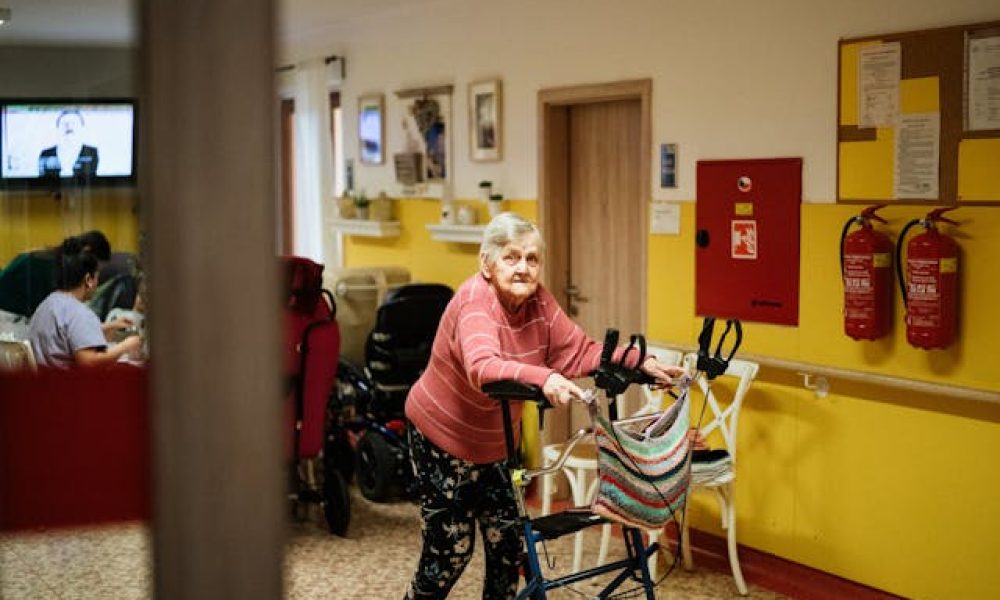
Caring for an aging loved one is one of the most profound responsibilities a family can take on. Whether it’s navigating the challenges of daily support or managing complex health needs, families often face a maze of emotions, decisions, and practical concerns. Understanding what families need from care goes beyond basic services; it involves empathy, trust, and a commitment to enhancing quality of life for both the individual and their family.
The Emotional Dimension of Care
One of the most critical aspects families look for in care is emotional reassurance. Choosing a care home or support service can bring a mix of relief and guilt. Families need to feel confident that their loved one is not only safe but also valued and engaged. A care environment that prioritizes emotional well-being can provide comfort and stability, offering peace of mind that their loved one is treated with dignity. Regular communication and updates from caregivers can alleviate anxiety, helping families feel connected even when they cannot be present physically.
Personalized and Respectful Care
Families want care that acknowledges the unique identity and history of their loved one. Personalization is key, whether it’s accommodating dietary preferences, cultural traditions, or individual routines. Respectful care also extends to involving the person in decisions about their daily life whenever possible. Families are reassured when they see that care plans are flexible and tailored rather than rigid or impersonal. This approach fosters trust and demonstrates a commitment to maintaining the individual’s sense of autonomy and self-worth.
Safety and Medical Expertise
Practical concerns are a major factor in what families seek from care services. Safety is paramount, especially for individuals with mobility challenges, cognitive decline, or chronic illnesses. Families look for care environments equipped with appropriate safety measures, trained staff, and access to timely medical attention. Knowing that their loved one is in capable hands, with staff who can recognize health changes and respond promptly, is invaluable. Access to professional healthcare support, medication management, and proactive monitoring contributes to families feeling secure in their choice of care.
Social Engagement and Quality of Life
Beyond safety and health, families increasingly recognize the importance of social and recreational activities. Loneliness and isolation can affect well-being as much as physical health concerns. Care that includes structured social interaction, meaningful activities, and opportunities to maintain hobbies or learn new skills can significantly enhance quality of life. Families appreciate care settings that encourage participation in community life, helping their loved ones feel included, stimulated, and valued each day.
Clear Communication and Partnership
Families need transparent communication from care providers. Clear explanations of care plans, routines, and policies build trust and reduce uncertainty. Additionally, families want to be active partners in the care process. Encouraging family involvement in decisions, consultations, and even day-to-day activities strengthens collaboration and ensures that care aligns with the values and preferences of the individual. When families feel included and respected as part of the care team, their confidence and satisfaction increase significantly.
Choosing the Right Care Home
Finding the right care environment is a crucial step for families. Locations that balance professional standards with a homely atmosphere often provide the best outcomes. Families benefit from visiting facilities, asking questions, and observing the level of engagement between staff and residents. One example of a provider that strives to meet these diverse family needs is care homes Fareham, where personalized care plans, emotional support, and safety are prioritized to ensure both residents and their families feel valued.
Enhancing Comfort and Connection
Families navigating care decisions seek more than basic assistance; they want an environment that fosters dignity, safety, engagement, and open communication. Recognizing the emotional and practical dimensions of care can help families make choices that honor the individuality of their loved one while providing peace of mind. The right care setting is not only a place for daily support but also a space where life continues with meaning, connection, and comfort. Understanding these needs is the first step toward creating care experiences that truly support both the individual and the family around them.