
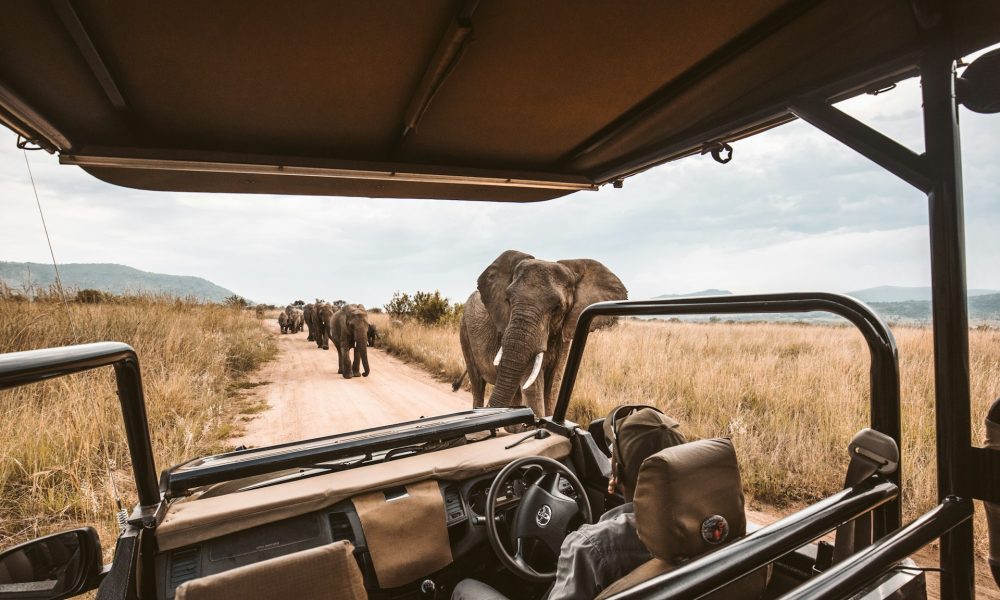
In the competitive landscape of global tourism, the “green revolution” is no longer a niche preference but a prerequisite for the survival of the world’s most delicate ecosystems. For Africa, a continent whose identity is so deeply linked to its biodiversity, the stakes for African safari tours are exceptionally high.
As travelers increasingly prioritize sustainability, the focus has shifted from mere “eco-friendly” labeling to tangible, actionable conservation. Even within the realm of luxury safaris, where high-end comfort is the standard, preserving the environment now requires a strategic approach that begins long before that first passport stamp.
The New Standard of African Travel
The modern African traveler is moving away from high-impact, fleeting visits toward what industry experts call “slow travel.” This involves staying longer in fewer locations to reduce the carbon footprint associated with multiple domestic flights or transfers within a single region. By choosing to immerse oneself in a single region, such as Kruger National Park in South Africa, travelers can significantly lessen the environmental cost of transit while gaining a more profound cultural experience.
Furthermore, the rise of green safaris is transforming the traditional game drive. Some luxury lodges are now experimenting with electric safari vehicles (EVs), which offer the dual benefit of reduced emissions and silent operation, allowing for closer wildlife encounters without the auditory disturbance of combustion engines.
Strategic Planning: Efficiency from the Start
Sustainability in travel can sometimes be a matter of logistics. For those opting for road trips to explore areas like South Africa’s West Coast or the Garden Route, route optimization is the primary tool for conservation. Planning efficient paths and maintaining a steady speed not only reduces fuel consumption but also protects the integrity of the local road infrastructure.
Choosing the right partner is equally vital. Organizations like Drive South Africa have begun prioritizing fuel-efficient fleets, signaling a shift in the car rental market toward environmental accountability.
The “Do Not Disturb” Policy: Conservation in the Hotel Room
The hospitality sector remains one of the largest consumers of resources. However, small behavioral shifts by guests can slow down resource consumption significantly. By utilizing the “Do Not Disturb” sign, travelers can prevent unnecessary daily room cleanings, saving thousands of liters of water and reducing the chemical load from detergents over the course of a single season.
In water-scarce regions, particularly in the Karoo and select areas of East Africa, water conservation is a civic duty. Simple actions like reusing towels, limiting shower time, and ensuring taps are fully closed support local municipalities in managing fragile water reserves.
Traveler’s Note: Supporting local conservancies often provides more direct funding to anti-poaching units than staying in larger, international hotel chains.
Supporting the “Local is Lekker” Economy
Sustainable tourism is built on three pillars: environmental protection, cultural heritage, and social equity. In the South African context, the phrase “local is lekker” (local is great) serves as a roadmap for ethical spending. By sourcing goods from local artisans and dining at independent restaurants that utilize indigenous ingredients, travelers ensure that the financial benefits of tourism remain within the community.
This economic support creates a virtuous cycle: when local communities thrive through tourism, they become the most effective guardians of the surrounding wildlife and natural resources.
The Golden Rule: Leave No Trace
The old adage “take nothing but photographs, leave nothing but footprints” remains the gold standard for adventure travel. Whether hiking the Drakensberg or snorkeling the coral reefs of the Indian Ocean, staying on marked trails and adhering to “look but don’t touch” protocols is essential to prevent soil erosion and reef degradation.
Final Thoughts
As Africa continues to position itself as a premier global destination, the responsibility falls on the traveler to ensure that the continent’s majestic landscapes remain pristine for the next generation of explorers. By integrating these green tips, the modern traveler does more than just see the world; they help save it.




