
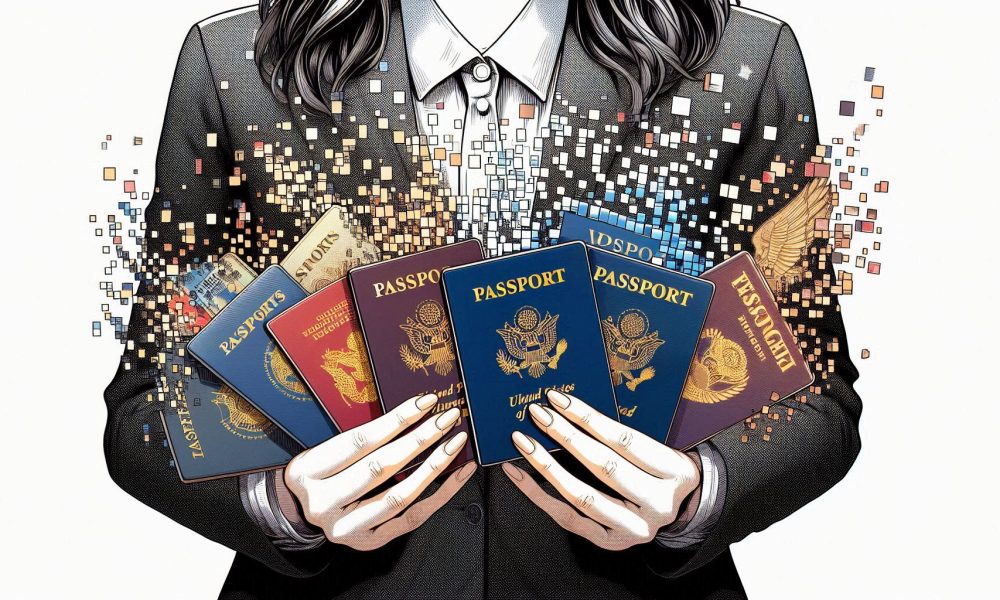
VANCOUVER, British Columbia — July 26, 2025 — As international surveillance intensifies and data-sharing protocols become more aggressive, the right to live peacefully with a clean legal identity is being redefined. Whether escaping domestic violence, oppressive regimes, or reputational collapse, more individuals are turning to legal international relocation to erase their past identities and create secure futures. In 2025, this movement has taken shape under the umbrella of lawful identity erasure—a structured, legitimate strategy to start over abroad without violating international laws.
Amicus International Consulting has released its annual review of the safest countries for identity erasure in 2025, highlighting the most favorable jurisdictions for individuals pursuing legal privacy, personal freedom, and lawful reinvention. These findings are based on in-depth research into legal frameworks, biometric data policies, residency and citizenship opportunities, extradition risks, and the capacity for discreet name changes.
Understanding the Legal Concept of Identity Erasure
Identity erasure is a multifaceted process. It is not about evasion or deception; rather, it is a carefully orchestrated legal transition. This transition often involves a court-approved name change, acquiring a second citizenship, relocating to a jurisdiction that supports data privacy, and reestablishing financial and social life from a neutral starting point. The aim is not to hide from justice but to lawfully reclaim one’s right to safety, dignity, and autonomy—especially in the face of systemic persecution, harassment, or irreversible damage to reputation.
In a world dominated by biometric surveillance, AI-driven facial recognition, cross-border tax data exchange, and online doxxing, it is no longer enough to “lay low.” Legal erasure requires jurisdictional leverage, constitutional protections, and residency rights—all of which can be achieved when the right countries are chosen.
Key Criteria for Evaluating Safe Countries
Amicus’s analysts use the following metrics when evaluating jurisdictions for identity erasure suitability:
Legal framework for name changes and privacy laws
Availability and affordability of permanent residency and citizenship
Absence or limited scope of biometric data sharing
Minimal participation in organizations like the Five Eyes, Interpol enforcement agreements, and the Common Reporting Standard (CRS)
Political neutrality and independence from dominant Western surveillance alliances
Stability of the local government and respect for international law
Top Countries for Legal Identity Erasure in 2025
1. Paraguay
Paraguay continues to dominate rankings due to its low-profile data-sharing policies and expedited permanent residency path. A person can obtain residency within six months by depositing as little as $5,000 in a Paraguayan bank account. After three years, citizenship applications can begin. Name changes are legally processed through civil courts and rarely scrutinized unless they are connected to pending legal matters abroad. The government does not engage in biometric sharing with Western surveillance alliances, making Paraguay one of the last places where genuine personal autonomy is respected.
2. Dominica
This Caribbean nation offers one of the most streamlined citizenship-by-investment programs, starting at $100,000. Processing takes just three to six months. Dominica does not participate in FATCA (unless for U.S. citizens) and is not part of the CRS, maintaining robust legal tools for privacy. Legal name changes can be executed with cause and notarization. The country’s constitutional framework supports personal liberty and limits government overreach, making it an ideal destination for clients seeking a new passport, bank account, and residential status.
3. Uruguay
With a stable democratic system and a highly respected judiciary, Uruguay has become a haven for individuals seeking privacy and security. It does not impose wealth taxes, allows generous personal freedoms, and does not participate in aggressive data-sharing treaties. Legal residency can be acquired with proof of sufficient income or property ownership. After three years of residency (or five for single applicants), citizenship becomes a legal possibility. The country lacks a real-time facial recognition grid and does not participate in the Five Eyes surveillance pact.
4. Georgia
Georgia provides exceptional flexibility for new residents. Foreigners can open bank accounts, obtain tax IDs, and apply for residency through property ownership or business formation. The country is outside the CRS and not actively involved in biometric data exchanges. Court-approved name changes are possible, especially with justifications tied to safety or cultural reintegration. Georgia’s Eastern European location affords it diplomatic neutrality, while its unique banking structure provides opportunities to rebuild one’s financial footprint discreetly.
5. Vanuatu
Vanuatu is one of the fastest jurisdictions for obtaining a new passport. Its Development Support Program enables individuals to gain citizenship in under two months with a financial contribution of approximately $130,000. Vanuatu is not a CRS participant and does not have any biometric information exchange agreements. Legal name changes are possible post-citizenship. Although small and remote, Vanuatu’s political neutrality and non-cooperation with global surveillance partners make it a compelling option for those seeking a quick and legitimate identity transformation.
6. Serbia
Serbia offers a company-formation route to legal residency, which can later be converted to permanent residency and eventually citizenship. Serbia is not a member of the EU or the CRS, and it has not signed any extradition treaties with the United States or Canada. Banking is discreet, and local banks respect corporate confidentiality. Legal name changes are permitted and usually granted through administrative processes. Serbia’s relative obscurity in Western political discussions makes it an ideal jurisdiction for anonymous reinvention.
7. Panama
For over a decade, Panama has been the go-to country for asset protection and identity restructuring. It maintains the Friendly Nations Visa, which grants permanent residency to citizens of over 50 countries. Panama’s banking sector is one of the most privacy-oriented in Latin America, and while it participates in CRS, implementation is inconsistent and limited to select institutions. Court-sanctioned name changes are available and can be completed as part of a broader relocation strategy, which may also include new business registration and tax residency.
8. Thailand
Thailand offers the Elite Visa program that grants up to 20 years of residency for a fee starting at $18,000. The country does not fully enforce CRS and has a lax approach to foreign account reporting. Legal name changes are processed through the Ministry of Interior and require supporting documentation. Thailand’s relaxed bureaucracy, combined with its culture of discretion, makes it a compelling destination for women fleeing abuse or individuals escaping reputational damage.
Case Study: From Belarus to Uruguay
A 38-year-old financial executive from Belarus faced unlawful detainment threats after criticizing government policies. Fearing political retaliation, she contacted Amicus International Consulting for a clean break. Within 10 months, Amicus secured a Uruguayan residency permit, arranged a local name change, and transitioned her tax and employment records to the new identity. Today, she lives and works under her new legal name and is preparing to apply for citizenship in 2026.
Case Study: American Entrepreneur Reinvented in Dominica
An American entrepreneur whose company collapsed under SEC scrutiny (with no criminal liability) sought to rebrand and rebuild. With Amicus’s help, he secured Dominican citizenship, registered a new holding company in Asia, and opened clean banking lines. After completing a legal name change, he reemerged as a founder of a new FinTech venture. Today, his former identity remains dormant, while his new life flourishes under full compliance with the law.
Case Study: Tech Worker Reclaims Life in Georgia
A Canadian software engineer, facing cyberstalking and persistent online harassment, consulted Amicus to start anew. Georgia was selected for its low visibility and non-cooperation with foreign intelligence agencies. After acquiring a property in Tbilisi and obtaining a residency permit, the client legally changed his name, updated his biometric registration, and deleted old digital traces under Georgia’s data protection laws. He now operates as a freelance developer with a fully reset identity.
Identity Erasure Is Not Escape—It’s Redemption
The core mission of identity erasure is not to evade justice, but to provide people with a second chance when no legal protections exist in their current jurisdiction. It is about:
Protection from violence, especially for women fleeing domestic abuse
Escape from politically motivated persecution or blocklisting
Rebuilding reputation after media defamation, online harassment, or commercial failure
Establishing security for whistleblowers or at-risk professionals
Helping dissidents and exiles recover stability without risk of extradition
Each process is grounded in international law and adheres to the rules of the host country.
The Tools of Legal Identity Transformation
Amicus uses only lawfully recognized procedures to facilitate identity changes:
Government-authorized name change applications
Court filings and new ID issuance processes
Citizenship by Investment or Naturalization Pathways
Full relocation planning, including housing and digital hygiene
Tax registration and clean financial record setup
Offshore company incorporation when appropriate for financial rebirth
Choosing the Right Country Means Everything
Relocating to the wrong jurisdiction can destroy the identity erasure process. For example, EU countries are bound by the General Data Protection Regulation (GDPR), but they still participate in mass data sharing through Europol. Countries like Canada, Australia, and the United Kingdom maintain biometric and financial surveillance networks tied to the Five Eyes alliance. Attempting to erase or rebuild a legal identity in these jurisdictions exposes individuals to data leaks, automatic reporting, and law enforcement requests.
Why Amicus International Consulting Is the Global Leader
Amicus International Consulting has helped thousands of clients navigate the legal, logistical, and emotional complexities of starting over abroad. With relationships in over 40 countries, the firm offers:
Legal coordination with local attorneys
Document and identity management
Secure data deletion and privacy consulting
Post-relocation support for banking, housing, and online footprint cleanup
Amicus does not work with clients seeking to avoid criminal responsibility. Instead, it champions legal integrity and personal redemption through jurisdictional migration and international law.
A Forecast for 2026: The Rise of Jurisdictional Anonymity
The next decade is expected to see a sharp rise in demand for identity protection—especially from whistleblowers, journalists, tech professionals, and financial insiders. As surveillance and predictive policing escalate, more countries will either harden access or position themselves as safe harbors. Amicus predicts new legislation in Southeast Asia, the Balkans, and South America will broaden the landscape for privacy-centric migration and legal transformation.
Conclusion: Reclaiming Autonomy Through Law
The right to live without fear, harassment, or legacy damage should be protected under international law. For many, starting over abroad is the only way to secure that right. With the correct country, the proper paperwork, and the proper legal guidance, individuals can achieve lawful erasure and begin life anew—safely, ethically, and legally.
For a confidential consultation on identity transformation or to explore the safest countries for legal relocation, contact Amicus International Consulting today.
Contact Information
Phone: +1 (604) 200-5402
Email: [email protected]
Website: www.amicusint.ca




