
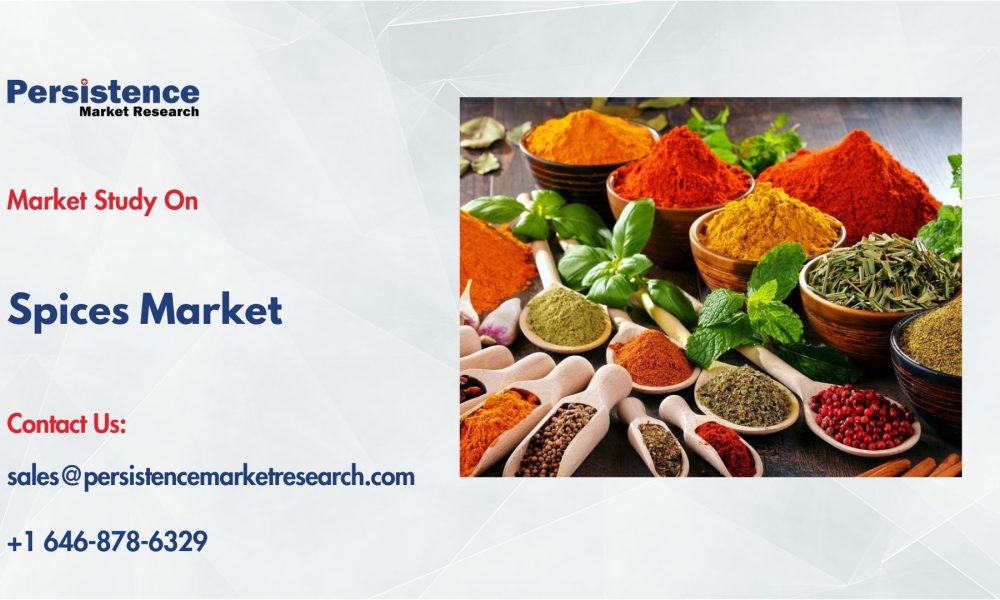
The global spices market is poised for sustained and robust growth over the forecast period, driven by evolving consumer preferences, expanding food processing industries, and increasing globalization of culinary cultures. The market is estimated to grow from US$ 18.5 billion in 2026 to US$ 27.8 billion by 2033, registering a compound annual growth rate (CAGR) of 6.0% during the forecast period from 2026 to 2033. This growth outlook reflects the rising strategic importance of spices across food, beverage, pharmaceutical, nutraceutical, and personal care industries.
Spices have long been integral to global food traditions, valued not only for their flavor-enhancing properties but also for their preservative, medicinal, and functional benefits. In recent years, the market has witnessed a structural shift from commodity-driven consumption toward value-added, branded, and premium spice products. Increasing consumer awareness regarding the health benefits of spices such as turmeric, ginger, cinnamon, garlic, and black pepper is significantly influencing purchasing behavior across both developed and emerging markets.
The growth of the global spices market is further supported by rapid urbanization, rising disposable incomes, and the expansion of organized retail and e-commerce platforms. Consumers are increasingly experimenting with international cuisines, leading to higher demand for diverse and exotic spice varieties. In parallel, the foodservice sector—including restaurants, quick-service chains, and cloud kitchens—is expanding globally, contributing to consistent bulk demand for spices. Additionally, the growing use of spices as natural flavoring and coloring agents in clean-label food formulations is reinforcing their relevance in modern food processing.
Get Your FREE Sample Report Instantly – Click Now: https://www.persistencemarketresearch.com/samples/32805
Segmentation Analysis
By Product Type
- Pepper
- Cinnamon
- Ginger
- Cumin
- Bay Leaves
- Dried Chilli
- Cardamom
- Turmeric
- Cloves
- Others
By Nature
- Organic
- Conventional
By Form
- Whole
- Ground/Powder
- Oil
- Other
By Application
- Processed Foods
- Nutraceuticals
- Cosmetics & Personal Care
- Beverages
- Other
By Distribution Channel
- Business to Business
- Business to Consumer
- Hypermarkets/Supermarkets
- Convenience Stores
- Specialty Stores
- Online Retail
- Others
Regional Insights
The global spices market demonstrates strong regional diversity, shaped by climatic conditions, agricultural practices, culinary traditions, and trade dynamics.
Asia Pacific remains the dominant region in the global spices market, accounting for the largest share in both production and consumption. Countries such as India, China, Vietnam, Indonesia, and Sri Lanka play a central role in global spice cultivation and exports. India, in particular, is a leading producer and exporter of a wide variety of spices, supported by favorable agro-climatic conditions, extensive farming expertise, and a strong domestic consumption base. Rising exports to North America, Europe, and the Middle East are further strengthening the region’s market position.
North America represents a mature but steadily growing market, driven by increasing consumer interest in ethnic cuisines, organic spices, and clean-label food products. The growing popularity of home cooking, meal kits, and international flavors is contributing to rising spice consumption across the United States and Canada. Additionally, strong demand from the food processing and foodservice industries continues to support regional growth.
Europe holds a significant share of the global spices market, supported by well-established food manufacturing industries and rising demand for premium and sustainably sourced spices. Regulatory emphasis on food safety, traceability, and quality standards is encouraging innovation in processing and packaging. The region is also witnessing increased consumption of spices with perceived health benefits, particularly in functional and organic food segments.
The Middle East and Africa are expected to register the fastest growth during the forecast period. Deep-rooted culinary traditions, rising population, and expanding hospitality and tourism sectors are driving spice demand across the region. Increasing imports, coupled with growing investments in food processing and retail infrastructure, are further supporting market expansion.
Unique Features and Innovations in the Market
Modern spice market solutions are increasingly differentiated by innovation in sourcing, processing, and product formulation. Traceability and transparency have become critical differentiators, with manufacturers leveraging digital technologies to provide farm-to-fork visibility. Blockchain-enabled traceability systems and IoT-based supply chain monitoring are being adopted to ensure quality consistency, reduce contamination risks, and comply with international standards.
Artificial intelligence and advanced analytics are enhancing demand forecasting, inventory management, and quality control across the spice value chain. AI-driven image recognition and sensor technologies are being used to detect adulteration, assess color and aroma profiles, and maintain product integrity. These innovations are particularly important in a market where authenticity and purity directly influence brand trust and pricing.
Product innovation is also accelerating, with growing demand for blended spices, ready-to-use seasonings, organic variants, and customized flavor solutions. Manufacturers are developing region-specific blends and functional spice mixes tailored to health-conscious consumers, reinforcing differentiation and value creation.
Need Tailored Insights? Request Customization Now: https://www.persistencemarketresearch.com/request-customization/32805
Market Highlights
The adoption of spices across industries is driven by multiple factors, including their natural origin, multifunctional benefits, and alignment with clean-label and sustainability trends. Businesses are increasingly incorporating spices as natural alternatives to artificial flavors, preservatives, and colorants, supporting regulatory compliance and consumer expectations.
Regulatory frameworks governing food safety, pesticide residues, and quality standards play a significant role in shaping market dynamics. Compliance with international standards is driving investments in advanced processing technologies and certified sourcing practices. Sustainability initiatives, including ethical sourcing, fair trade practices, and reduced environmental impact, are becoming integral to competitive positioning in the global spices market.
Cost optimization and supply chain resilience remain key priorities for manufacturers and buyers alike. Strategic sourcing, long-term farmer partnerships, and diversified procurement strategies are helping mitigate price volatility and ensure consistent supply.
Key Players and Competitive Landscape
- McCormick & Company Inc.
- British Pepper & Spice
- Olam Internatioaln
- Sleaford Quality Foods Ltd.
- PrymatGroup
- Worlée NaturProdukte GmbH
- Kräuter Mix GmbH
- El Clarín Spices S.L
- Elite Spice
- Ramón Sabater, S.A.U.
- DF World of Spices GmbH
- Sensient Technologies Corporation
- The British Pepper & Spice Company Limited
- Koninklijke Euroma BV
- Everest Spices
Future Opportunities and Growth Prospects
The future outlook for the global spices market remains highly positive, supported by rising global food consumption, increasing demand for natural ingredients, and expanding applications beyond traditional culinary uses. Growth opportunities are expected to emerge from organic and sustainably sourced spices, functional and fortified spice products, and customized flavor solutions for industrial customers.
Technological advancements in processing, quality control, and supply chain management will continue to enhance efficiency and transparency. At the same time, evolving regulations related to food safety, sustainability, and traceability will shape industry practices and competitive dynamics.
Overall, the global spices market is expected to remain a dynamic and high-growth segment of the broader food ingredients industry, offering attractive opportunities for producers, processors, traders, and investors throughout the forecast period.
Explore the Latest Trending Research Reports:




