
Market Overview
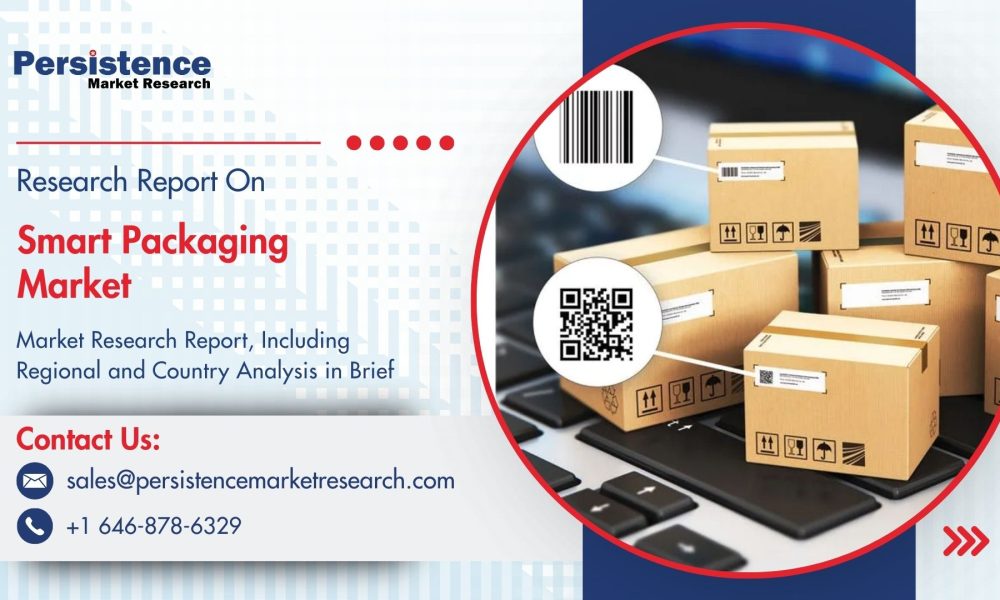
The global smart packaging market is undergoing rapid expansion, fueled by increasing consumer demand for safer, longer-lasting, and more sustainable packaging solutions. According to the latest study by Persistence Market Research, the market size is expected to be valued at US$ 26.2 Bn in 2025 and is projected to reach US$ 38.1 Bn by 2032, growing at a CAGR of 5.4% during the forecast period. This steady growth is attributed to the integration of advanced technologies such as sensors, indicators, QR codes, and RFID tags that enable real-time product tracking, quality monitoring, and consumer engagement.
Smart packaging goes beyond conventional packaging by adding value through extended shelf life, authentication, improved user convenience, and brand differentiation. It is increasingly being adopted across industries such as food and beverages, healthcare, logistics, cosmetics, and personal care. With rising regulatory pressures for traceability and food safety, alongside growing consumer interest in eco-friendly and interactive packaging, the market is poised to witness strong opportunities for innovation and expansion worldwide.
Get a Sample PDF Brochure of the Report (Use Corporate Email ID for a Quick Response): https://www.persistencemarketresearch.com/samples/35553
Key Market Drivers
One of the primary drivers of the smart packaging market is the rising focus on food safety and shelf-life extension. Smart packaging technologies such as time-temperature indicators, freshness sensors, and antimicrobial films provide real-time insights into the condition of food, reducing spoilage and ensuring consumer safety. Additionally, increasing consumer preference for transparency in supply chains is boosting demand for packaging solutions with traceability features like QR codes and blockchain-enabled labels.
The healthcare sector is another major growth driver, with smart packaging enabling dosage monitoring, counterfeit prevention, and patient engagement. Pharmaceutical companies are increasingly adopting intelligent labeling and NFC-enabled packaging to ensure authenticity and improve patient adherence to prescribed medication.
Sustainability is playing a crucial role in shaping the market, as brands seek eco-friendly packaging that reduces waste while incorporating smart features. The convergence of digital technologies with sustainable materials is leading to innovative solutions that address both environmental and consumer demands. Furthermore, e-commerce growth has increased the need for packaging that ensures product integrity, trackability, and customer engagement, adding another layer of opportunity for smart packaging providers.
Market Challenges
While the market outlook is positive, several challenges hinder widespread adoption of smart packaging technologies. High implementation costs remain a significant barrier, particularly for small and medium-sized enterprises. Advanced technologies like printed electronics, sensors, and RFID systems require substantial investment, which can be challenging for cost-sensitive industries.
Another challenge lies in consumer acceptance, as some buyers remain skeptical about technology-enabled packaging, particularly in developing regions. Concerns about data privacy and the complexity of using smart packaging features can also limit adoption. Additionally, regulatory hurdles regarding labeling, traceability, and compliance across different countries add to the complexity for manufacturers operating in global markets.
The need for recycling compatibility is another pressing issue, as integrating smart features into packaging materials can make it difficult to recycle them, potentially clashing with sustainability goals. Overcoming these challenges requires collaborative efforts between packaging manufacturers, technology providers, and regulatory bodies to ensure affordability, consumer-friendly solutions, and environmentally sustainable practices.
Market Opportunities
The smart packaging market is full of opportunities as industries continue to embrace digital transformation and sustainable innovation. In the food and beverage sector, rising demand for ready-to-eat meals and packaged foods presents avenues for intelligent packaging solutions that guarantee freshness, safety, and convenience. The growing adoption of connected packaging, which integrates digital technologies to create interactive consumer experiences, offers strong opportunities for brand differentiation and customer engagement.
In healthcare, the rising prevalence of chronic diseases and the increasing demand for personalized medicine highlight opportunities for smart packaging solutions that enhance compliance and ensure authenticity. Expanding use cases in logistics and supply chain management also provide a promising outlook, as real-time tracking and monitoring are becoming essential for global trade efficiency.
Geographically, emerging markets in Asia-Pacific and Latin America present untapped growth potential due to rising disposable incomes, expanding e-commerce activity, and increasing regulatory focus on food and drug safety. As manufacturers in these regions shift toward modernization and digitalization, the adoption of smart packaging solutions is expected to accelerate.
For Customized Insights on Segments, Regions, or Competitors, Request Personalized Purchase Options @ https://www.persistencemarketresearch.com/request-customization/35553
Market Segmentation
The global smart packaging market can be segmented on the basis of Product Type,Packaging Type, Application and region.
By Product Type
- Modified Atmosphere Packaging (MAP)
- Active Packaging
- Gas Scavengers
- Corrosion Control Packaging
- Moisture Control Packaging
- Intelligent Packaging
- Time Temperature Indicator
- Gas Indicator
- Thermochromic Ink
By Packaging Type
- Primary
- Secondary
- Tertiary
By Application
- Food and Beverages
- Personal Care and Cosmetics
- Pharmaceuticals
- Electronics
- E-commerce
- Others
Regionally, North America and Europe currently lead the market due to early adoption of advanced packaging technologies, strong regulatory frameworks, and consumer demand for transparency. Asia-Pacific is expected to witness the fastest growth, fueled by increasing consumer awareness, rising disposable incomes, and rapid expansion of e-commerce and retail sectors. Latin America and the Middle East & Africa also present significant opportunities for future expansion, particularly in food safety and pharmaceutical applications.
Company Insights
The competitive landscape of the global smart packaging market is highly dynamic, with both established players and emerging companies contributing to growth. Leading companies are focusing on strategic partnerships, technological advancements, and sustainable product innovations to strengthen their market presence.
✦ Amcor plc
✦ Sealed Air Corporation
✦ Avery Dennison Corporation
✦ 3M Company
✦ Smartrac N.V.
✦ Stora Enso Oyj
✦ BASF SE
✦ DuPont de Nemours, Inc.
✦ Tetra Pak International S.A.
✦ International Paper Company
✦ Huhtamäki Oyj
✦ R.R. Donnelley & Sons Company
These companies are actively investing in research and development to introduce innovative packaging solutions that align with evolving consumer and industry demands. For instance, collaborations between packaging manufacturers and technology firms are enabling the integration of IoT, blockchain, and AI-driven solutions into packaging, enhancing transparency, safety, and sustainability.
Future Outlook
The future of the smart packaging market looks highly promising, with continuous advancements in materials science, digital technology, and consumer engagement strategies. The integration of Internet of Things (IoT) and artificial intelligence into packaging solutions will further enhance data-driven decision-making for both manufacturers and consumers. Smart packaging will evolve beyond safety and quality monitoring to become a vital tool for brand-consumer interaction, storytelling, and sustainability commitments.
Regulatory support for food safety, pharmaceutical traceability, and environmental protection will further accelerate adoption. Meanwhile, ongoing research to develop cost-effective and recyclable smart packaging materials will help address current challenges related to cost and sustainability. Emerging economies are expected to play a crucial role in driving demand, as consumer preferences shift toward safer, more transparent, and technology-enabled packaging solutions.
In conclusion, the global smart packaging market is set to grow from US$ 26.2 Bn in 2025 to US$ 38.1 Bn by 2032, expanding at a CAGR of 5.4%. The market’s growth is driven by increasing demand for food safety, pharmaceutical authenticity, consumer engagement, and sustainability. Despite challenges such as high implementation costs and recycling concerns, the opportunities far outweigh the restraints. With continuous innovation, strong investments in technology, and growing adoption across multiple industries, smart packaging is poised to play a transformative role in shaping the future of global packaging solutions.
Explore the Latest Trending Research Reports:




