
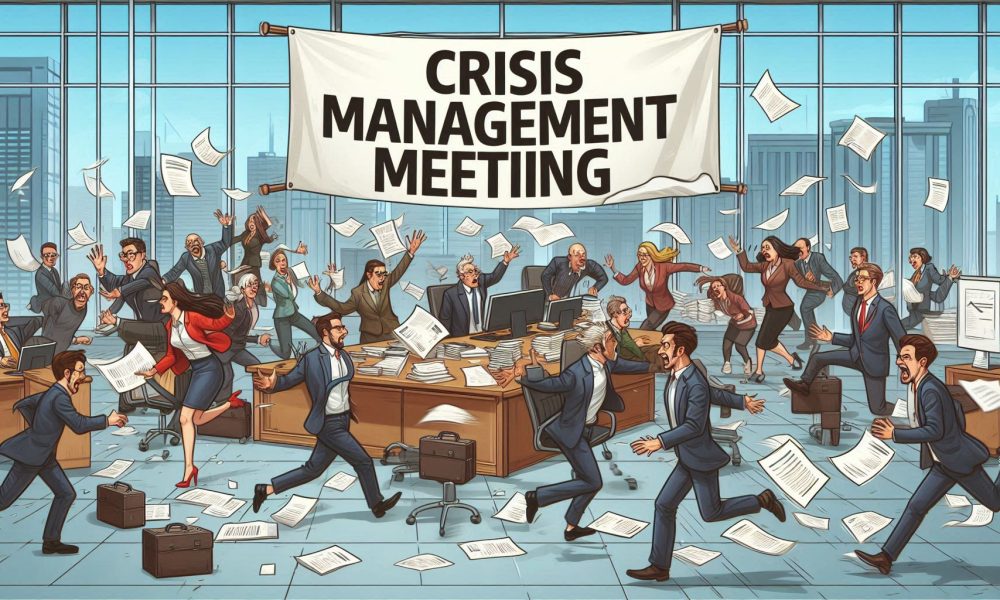
Amicus Publishes Campus-Wide FAQs
VANCOUVER, British Columbia, August 19, 2025 – Amicus International Consulting has released expanded guidance for universities and colleges on how to manage and recover from public relations mishaps that threaten institutional reputation. In a global environment where higher education is both a competitive business and a public trust, reputational crises can have long-lasting consequences.
Amicus emphasizes that proactive communications, anchored by campus-wide FAQs and timestamped registrar audits, are vital tools to salvage brand credibility. The consulting firm has also released new case studies showing how institutions can emerge stronger from crises when they act transparently and decisively.
Higher Education Under the Spotlight
Unlike corporations whose customers may disengage quietly, universities face reputational risks that unfold publicly and emotionally. Prospective students invest years preparing applications; parents often take on significant financial burdens; alums donate based on trust; and faculty build careers tied to institutional prestige. When mishaps occur, every stakeholder group responds in real time.
Social media magnifies this exposure. A single administrative email error can spread globally within hours, amplified by screenshots, hashtags, and online forums. Campus newspapers, local media, and national outlets then amplify the narrative, often framing the institution as either evasive or accountable depending on its first public moves. Amicus emphasizes that universities cannot afford hesitation. Early, transparent communication anchored in clear FAQs and timestamped audits is essential for stabilizing stakeholder confidence.
The Role of Campus-Wide FAQs
Amicus’s framework centers on the creation of FAQs as the backbone of higher education crisis communications. While press releases, emails, and interviews remain important, FAQs serve as a continuously updated hub for all audiences.
Key characteristics of effective FAQs include authority, hosted on official university channels; clarity, written in plain and accessible language; continuity, updated regularly with visible timestamps; comprehensiveness, addressing both known facts and ongoing corrective measures; and accessibility, made available through websites, mobile apps, email, and social platforms.
Amicus emphasizes that FAQs also serve as evidence of transparency during regulatory inquiries and legal proceedings, by documenting what was said, when, and how, universities can demonstrate both proactive engagement and accountability.
Case Study 1: Admissions Deadline Confusion and Registrar Timestamp Audit
A large public university faced reputational damage when conflicting messages about admissions deadlines were sent to applicants. Some received an email indicating an extension, while others were told the original deadline still applied. Outrage quickly spread online, with accusations of favoritism and incompetence.
Amicus advised the university to launch a campus-wide FAQ within 48 hours. The FAQ included direct answers clarifying which deadline applied, how students relying on incorrect notices would be treated fairly, and what system upgrades were underway to prevent similar confusion.
Simultaneously, the registrar’s office introduced a timestamp audit system that tracked when official communications were sent and stored them for independent review. This transparency calmed speculation that the university was hiding details.
Surveys conducted later revealed that while frustration was high initially, trust was restored as the institution demonstrated corrective action and fairness. Alum donations did not decline, and applications held steady, confirming that a decisive, transparent response salvaged reputation.
Case Study 2: Financial Aid Miscommunication
A mid-sized university mistakenly issued preliminary scholarship award letters showing incorrect amounts due to a data merge error. When corrected statements were sent weeks later, hundreds of families realized they would receive less financial aid than initially promised. Social media quickly filled with stories of betrayed students rethinking their enrollment.
Amicus guided the university to take three steps. First, launch a financial aid FAQ explaining what happened, how corrections were made, and how students would be accommodated. Second, provide timestamped updates as new financial aid meetings were scheduled, ensuring stakeholders saw progress. Third, offer transitional grants to students who had made financial commitments based on the mistaken letters.
The university also conducted a third-party audit of its financial aid software and published the findings. Although the incident was initially damaging, transparency and remediation reduced long-term fallout. The institution even gained credit for acknowledging the mistake and acting equitably.
Case Study 3: Registrar System Outage
During peak registration week, a university’s online registrar system crashed repeatedly, preventing students from enrolling in required courses. Students turned to social media, alleging that the outage reflected chronic mismanagement. Rumors circulated that some students had been allowed backdoor access to secure seats while others waited.
Amicus recommended the immediate creation of a registrar FAQ addressing key concerns. This included how priority seating would be restored fairly once the system was back online, a clear timeline for technical repairs with timestamped updates each hour, and assurance that no group of students had unfair access, verified by a system log audit.
The university complemented the FAQ with a town hall livestream where administrators explained technical causes and fielded student questions. By openly admitting shortcomings and demonstrating fairness, the university prevented further escalation. Enrollment metrics for the following term showed no decline, confirming that transparency preserved reputation.
Case Study 4: Campus Safety Alert Delay
A private college faced a crisis when an incident near campus triggered delayed emergency alerts. While security teams had responded quickly, students did not receive official notification until nearly an hour later. Parents and students criticized the institution for endangering lives.
Amicus directed the college to launch a safety FAQ explaining why alerts were delayed, what corrective technology upgrades were underway, and how parents could verify emergency communications.
The FAQ included a detailed timestamp audit of when information was reported, when it was confirmed, and when alerts were issued. By showing the timeline transparently, the college countered speculation that delays were due to negligence.
Follow-up communications included live safety drills, system tests, and partnerships with local law enforcement. Parents later reported increased confidence that the institution was investing in safety improvements, demonstrating that even serious trust breaches can be repaired with transparency.
The First 72 Hours: Campus-Wide Crisis Checklist
Amicus emphasizes that universities must act within the first 72 hours to avoid prolonged reputational damage. Key actions include immediate acknowledgment of the problem, rapid deployment of FAQs as a central hub of information, timestamped updates to counter rumors and speculation, internal staff training to ensure aligned communication across departments, and early engagement with student representatives and faculty councils to demonstrate inclusivity. These steps create stability, reduce misinformation, and signal accountability.
Short-Term Recovery: Ninety-Day Framework
Once immediate fires are contained, universities must pivot to structured recovery over the next 90 days. Amicus recommends publishing audits of registrar, financial aid, or safety systems to show lessons learned, hosting student listening sessions to restore trust, continuing to update FAQs with corrective actions, issuing reaffirmation statements that connect actions to core values of fairness and integrity, and demonstrating compliance with regulators to ensure reputational recovery strengthens legal positioning.
Long-Term Reputation Management
Amicus advises that true resilience comes from embedding transparency into operations. Long-term measures include annual registrar and communications audits, public accountability reports on admissions and aid fairness, ongoing use of FAQs for high-demand issues beyond crises, faculty and staff training in crisis communication protocols, and benchmarks for inclusivity and diversity in stakeholder engagement. These steps transform crisis response into a sustained reputation management system.
Regulatory and Legal Context
Universities increasingly face legal scrutiny when communication errors mislead students or parents. Regulatory agencies in the U.S. and Canada have investigated tuition and admissions misstatements, while the EU enforces transparency under consumer protection law. Amicus stresses that timestamped audits and documented FAQs provide vital evidence of good faith. By acting transparently, institutions reduce liability while rebuilding trust.
Media and Public Perception
Education crises frequently draw national and international attention. Media outlets seek clear explanations, and where none are provided, speculation fills the void. Amicus emphasizes that FAQs not only serve internal stakeholders but also provide journalists with accurate, timely information. Universities that share FAQs openly with reporters reduce negative speculation and reposition themselves as transparent institutions.
Global Perspectives
Responses to higher education crises vary by region. In North America, fairness in admissions and aid dominates public discourse. In Europe, regulatory compliance shapes reputational recovery. In Asia, prestige and family honor influence how missteps are perceived. Amicus advises universities with global student bodies to tailor FAQ language and outreach strategies to regional expectations while maintaining consistent global values.
Employee and Faculty Engagement
Internal alignment is critical. Faculty and staff often interact directly with students and parents. If they lack accurate information, contradictory messages will emerge, further eroding trust. Amicus recommends internal distribution of FAQs, training sessions, and briefing documents to ensure consistent communications—faculty who feel included often become advocates for the institution’s corrective actions.
Turning Crisis Into Opportunity
Amicus underscores that crises, though disruptive, can strengthen institutions that embrace transparency. The admissions confusion, financial aid miscommunication, registrar outage, and safety alert delay each demonstrate that universities can turn reputational challenges into moments of credibility. By implementing FAQs, timestamp audits, and clear corrective measures, institutions show that accountability and fairness are embedded values.
Conclusion
Higher education faces reputational risks unique to its role as both a service provider and a guardian of public trust. Admissions errors, financial aid miscommunications, registrar outages, and safety alert delays each threaten to undermine credibility. Yet, as Amicus International Consulting demonstrates, these challenges can be overcome. Campus-wide FAQs and timestamped audits form the foundation of effective crisis response, ensuring transparency, fairness, and resilience.
Universities that adopt these tools and strategies not only salvage reputation in the short term but also build long-term trust with students, parents, faculty, and regulators. In an era of digital scrutiny and global competition, reputational strength is no longer optional; it is essential.
Contact Information
Phone: +1 (604) 200-5402
Email: [email protected]
Website: www.amicusint.ca




