
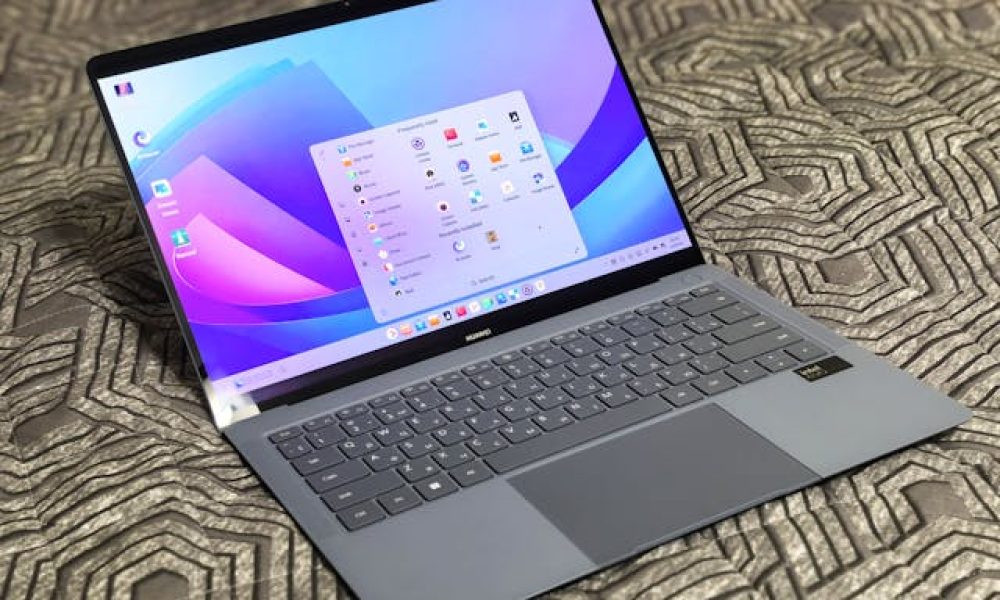
Efficiency is everything. From streamlined communication to optimized logistics, modern workspaces demand tools, layouts, and systems that support productivity without compromising safety or employee well-being. Whether it’s a buzzing warehouse or a well-oiled office, organizations are rethinking their environments to reduce waste, save time, and maximize output.
The Evolution of the Workspace
The traditional workspace has transformed drastically over the past few decades. Open-plan offices, hot-desking, and hybrid working models have become common, but so too have smarter warehouse floors, ergonomic designs, and automation. These shifts are not just aesthetic or convenient, they’re about making every second count. For industrial settings especially, the right equipment plays a crucial role in achieving operational efficiency.
Layout and Flow Matter
Efficient workspaces start with smart layouts. A well-designed environment reduces unnecessary movement and makes it easier for teams to work together. In offices, this might mean creating collaborative zones and quiet areas; in warehouses, it’s about mapping out clear pathways and positioning high-demand items for easy access. Every decision, from lighting to storage, contributes to a more fluid workday.
In logistics-heavy environments, for instance, reducing the time it takes to move products from one place to another can have a direct impact on output and costs. That’s why many companies invest in material handling equipment tailored to their unique needs.
The Role of Technology in Efficiency
Technology continues to revolutionize how we work. Software automation reduces the burden of manual data entry, AI helps prioritize tasks, and cloud platforms enable remote collaboration. When it comes to physical tasks, particularly in sectors like manufacturing, retail, and warehousing, tools that assist with heavy lifting and transport are just as vital.
One such tool that has grown in popularity is the electric pallet truck. These machines significantly reduce the physical strain on employees and speed up the movement of goods. They’re compact, powerful, and ideal for modern workspaces where time is money and safety is paramount.
People-Centric Design
Efficiency doesn’t come at the expense of employees. In fact, the most effective workspaces put people at the center. This includes investing in ergonomic furniture, offering flexible schedules, and designing processes that reduce fatigue and burnout. Happy, healthy employees are more productive and more engaged in their work.
In warehouse settings, for example, equipment like electric pallet trucks not only improves output but also lowers the risk of injury. This people-first approach to productivity supports long-term growth and employee retention.
Sustainability and Smart Solutions
Modern workspaces also aim to be sustainable. Energy-efficient lighting, recycling initiatives, and even smart climate control systems are becoming standard. Likewise, equipment that uses electric power instead of fossil fuels contributes to greener operations while also being quieter and often easier to maintain.
Investing in smarter, cleaner tools, whether digital or mechanical, shows a commitment to both the planet and the workforce. Over time, these investments pay off in reduced energy bills, improved brand reputation, stronger operational resilience, greater employee satisfaction, fewer workplace injuries, and long-term cost savings that support sustainable growth and responsible business practices across industries.
Final Thoughts
Efficiency in modern workspaces isn’t just about doing things faster. It’s about doing things smarter, safer, and more sustainably. From digital tools to physical equipment like electric pallet trucks, businesses have more resources than ever to create productive environments. The key is aligning those tools with human needs and organizational goals.
As the future of work continues to evolve, embracing efficiency will remain a top priority. Companies that get it right won’t just keep up, they’ll lead the way. That means investing in training, refining workflows, and choosing equipment that reduces strain while boosting output. True efficiency is both people-centric and tech-enabled.




