
Distributed Energy Resource Management System Market: Growth, Trends, and Future Outlook
The Distributed Energy Resource Management System (DERMS) market is experiencing rapid growth as the global energy landscape undergoes a profound transformation toward decentralization, digitalization, and decarbonization. DERMS are advanced software and services platforms designed to coordinate, monitor, and optimize distributed energy resources (DERs) such as solar photovoltaic (PV) systems, wind turbines, energy storage systems, and electric vehicle charging stations. By enabling utilities, grid operators, and distributed energy aggregators to manage renewable generation, storage, and demand response in real time, DERMS are integral to the future of sustainable power systems. According to insights from Persistence Market Research, the global DERMS market is expected to expand from an estimated US$ 1.7 billion in 2026 to around US$ 5.5 billion by 2033, representing a compound annual growth rate (CAGR) of about 18.3 % during the forecast period.
Understanding DERMS and Its Role in the Modern Grid
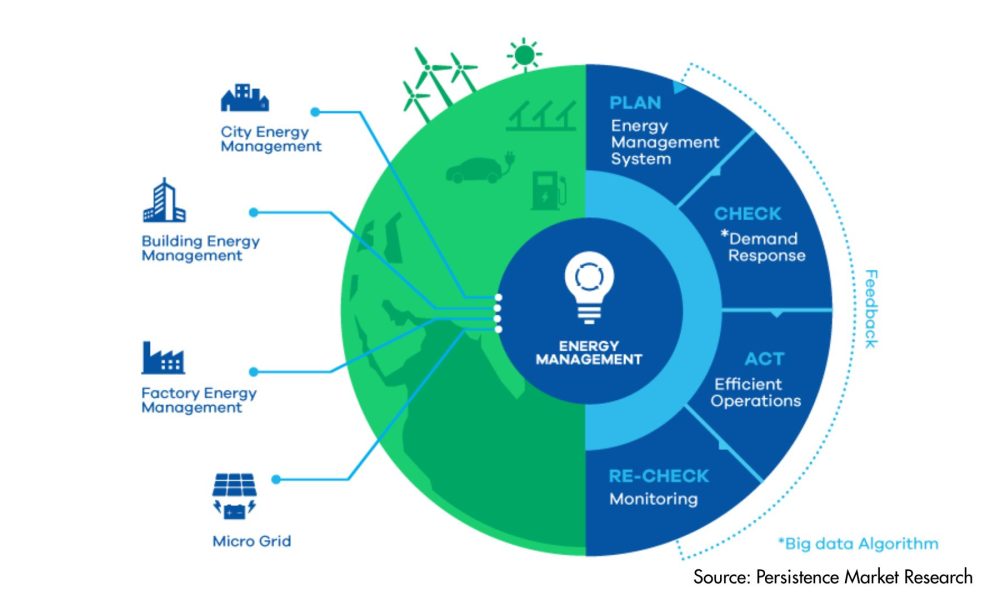
A Distributed Energy Resource Management System (DERMS) is a digital energy platform that enables real-time control, visibility, and optimization of geographically dispersed energy assets. Unlike traditional centralized grid architectures, modern grids incorporate a high penetration of DERs — including rooftop solar, community-scale storage, EV chargers, and demand-side flexibility — that introduce variability and two-way power flows. DERMS platforms synthesize data from multiple sources, forecast renewable generation, balance supply and demand, and facilitate grid stability while optimizing economic dispatch. This functionality is essential for enabling virtual power plants (VPPs), demand response programs, and other next-generation grid services that support increased renewables and electrification.
Get Your FREE Sample Report Instantly – Click Now: https://www.persistencemarketresearch.com/samples/27091
Key Drivers of Market Growth
The primary driver of DERMS market expansion is the accelerating adoption of distributed energy resources. As renewable generation installations — particularly solar PV and wind — proliferate across residential, commercial, and utility-scale sectors, the complexity of grid management increases. These variable energy sources require advanced digital systems like DERMS to forecast generation variability, maintain grid reliability, and manage distributed storage and generation assets dynamically. Governments and utilities worldwide are increasingly supportive of DERMS platforms to meet ambitious decarbonization and energy transition goals.
Government policies and incentives play a significant role in advancing DERMS adoption. Regulatory frameworks, renewable portfolio standards, net metering schemes, and smart grid modernization initiatives are compelling utilities to invest in DERMS solutions. These policies not only lower barriers for renewable integration but also encourage innovative grid services such as demand response and energy arbitrage, which can be orchestrated through DERMS platforms.
Another key driver is the integration of advanced technologies such as artificial intelligence (AI) and machine learning. AI-driven DERMS platforms leverage predictive analytics and big data processing to provide real-time insights, improve load forecasting, and optimize energy flows. These capabilities help utilities anticipate system imbalances, detect potential failures, and implement cost-effective solutions, thereby enhancing grid resilience and operational efficiency.
Market Challenges and Barriers
Despite strong growth prospects, the DERMS market faces certain challenges that could restrain its full potential. One of the most significant hurdles is regulatory complexity and interoperability issues. Energy policies, grid codes, and interconnection standards vary significantly across regions and even between jurisdictions within the same country, which complicates DERMS deployment. Regulatory ambiguity and frequent policy changes can delay projects and increase the cost of compliance, posing risks for utilities and technology providers alike.
Interoperability with existing grid infrastructure is another critical challenge. Modern power systems often consist of legacy hardware and communication protocols that are incompatible with new DERMS solutions. Differences in data formats and control standards require additional middleware or custom integration work, increasing project complexity and cost. These integration challenges can slow down large-scale DERMS expansions, particularly in regions with outdated grid architectures.
Cybersecurity risks also pose a barrier. As DERMS platforms become more connected and reliant on cloud computing and digital communications, utilities must invest in robust cybersecurity measures to protect distributed assets from potential threats. Ensuring secure, resilient operations in an increasingly digital grid environment remains a top concern for DERMS deployment.
Component Insights: Software and Services
The DERMS market is segmented into software and services components. The software segment is projected to dominate the market, accounting for approximately 58 % of revenue share in 2026. This leadership is driven by the critical role that analytics, real-time monitoring, control functions, and optimization algorithms play in managing diverse DER assets. Software platforms provide utilities with the tools to forecast generation variability, dispatch energy resources, and enhance grid performance efficiently.
On the other hand, the services segment is poised to grow rapidly due to increasing demand for consulting, integration, implementation, and post-deployment support. As utilities and enterprises adopt DERMS solutions, they require expert guidance to ensure seamless integration with existing systems, compliance with grid codes, and continued operational efficiency. Services such as training, customization, and system maintenance are essential for scaling DERMS solutions across diverse applications.
Get a Customized Market View in One Click: https://www.persistencemarketresearch.com/request-customization/27091
Application Insights: Leading Use Cases
Among the various DER applications, solar PV units are anticipated to dominate the DERMS market, accounting for over 50 % of revenue share in 2026. The widespread adoption of rooftop and utility-scale solar installations — combined with the inherently variable nature of solar generation — necessitates advanced DERMS platforms to balance supply and demand, forecast output, and ensure reliable integration into grid operations.
Another fast-growing application is energy storage systems (ESS). Falling battery costs, policy incentives for storage deployment, and the need to manage renewable intermittency are driving rapid ESS growth. DERMS platforms optimize storage dispatch, support bidirectional energy flows, and enable services such as peak shaving and load leveling. As solar-plus-storage and wind-plus-storage models expand worldwide, ESS is emerging as a dynamic growth segment within the DERMS landscape.
Other DER applications, including wind generation units and EV charging stations, are also contributing to market growth. DERMS helps manage variability from wind sources and coordinate EV charging loads, which are increasingly dynamic as electric vehicle adoption rises.
Regional Market Dynamics
North America is expected to be the leading regional market for DERMS, accounting for approximately 40 % of global market share in 2026. This leadership stems from advanced grid infrastructure, early adoption of distributed energy resources, supportive regulatory frameworks, and significant investments in smart grid modernization. Utilities in the U.S. and Canada are pioneering DERMS use cases, including microgrids and virtual power plants, to enhance grid resilience and flexibility.
Europe is another key region, propelled by ambitious renewable energy targets, grid modernization efforts, and comprehensive decarbonization goals. European utilities and technology providers are focusing on modular, scalable DERMS solutions that integrate seamlessly with existing infrastructure while supporting compliance with stringent regulatory requirements.
In contrast, the Asia Pacific region is anticipated to be the fastest-growing market for DERMS. Rapid urbanization, industrialization, policy incentives, and aggressive renewable energy deployment in countries such as China, India, and Japan are driving significant DERMS investment. The region’s focus on smart grid technologies, microgrid projects, and energy security initiatives further accelerates DERMS adoption.
Competitive Landscape and Innovations
The global DERMS market is moderately fragmented, with established energy management companies and specialized technology vendors competing for share. Leaders such as Siemens AG, Schneider Electric SE, General Electric Company, ABB Ltd., and Oracle Corporation are at the forefront, offering comprehensive DERMS solutions that integrate real-time analytics, automation, and AI-based forecasting capabilities.
Innovation is a key differentiator, with companies investing in cloud-based platforms, AI-driven analytics, and enhanced interoperability. Strategic partnerships with utilities, integration with grid edge devices, and expansion into emerging markets are helping vendors strengthen their positions and capitalize on rapid DER growth.
For In-Depth Competitive Analysis, Buy Now: https://www.persistencemarketresearch.com/checkout/27091
Future Outlook
The future of the Distributed Energy Resource Management System market is robust as the world transitions toward cleaner and more resilient energy systems. DERMS platforms will play an increasingly vital role in enabling high penetration of renewable energy, supporting distributed storage and EV integration, and enhancing grid flexibility and reliability. Continued technological innovation, supportive policy frameworks, and expanding digital infrastructure will sustain strong growth through 2033 and beyond.
The DERMS market stands at the intersection of energy transformation and digital innovation, offering transformative potential for utilities, enterprises, and consumers alike in the emerging era of decentralized, intelligent energy grids.
About Persistence Market Research:
At Persistence Market Research, we specialize in creating research studies that serve as strategic tools for driving business growth. Established as a proprietary firm in 2012, we have evolved into a registered company in England and Wales in 2023 under the name Persistence Research & Consultancy Services Ltd. With a solid foundation, we have completed over 3600 custom and syndicate market research projects, and delivered more than 2700 projects for other leading market research companies’ clients.
Our approach combines traditional market research methods with modern tools to offer comprehensive research solutions. With a decade of experience, we pride ourselves on deriving actionable insights from data to help businesses stay ahead of the competition. Our client base spans multinational corporations, leading consulting firms, investment funds, and government departments. A significant portion of our sales comes from repeat clients, a testament to the value and trust we’ve built over the years.
Contact Us:
Persistence Market Research
Second Floor, 150 Fleet Street,
London, EC4A 2DQ, United Kingdom
USA Phone: +1 646-878-6329
UK Phone: +44 203-837-5656
Email: [email protected]
Web: https://www.persistencemarketresearch.com




