
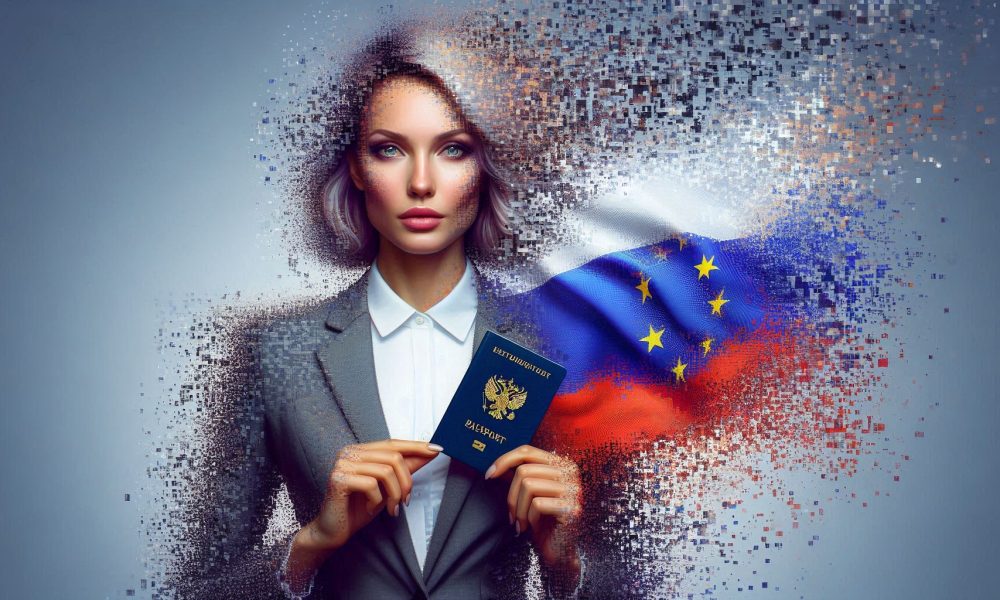
Legal Infrastructure, Global Shifts, and Case Studies Fueling the Rise of Lawful, Private Mobility
VANCOUVER, BC – August 3, 2025 – In an era defined by biometric checkpoints, surveillance states, and algorithmic border controls, an emerging demographic of global citizens is choosing a different path—one that prioritizes legal autonomy, cross-border privacy, and the freedom to move without leaving a digital wake. Anonymous travel, once viewed with suspicion or relegated to spy novels and fugitive fantasies, has now matured into a fully legal, professionalized, and increasingly in-demand lifestyle option.
Amicus International Consulting, a leader in second citizenship, offshore residency, and legal identity transformation, reports a sharp rise in clients seeking to travel the world without being cataloged, profiled, or exposed. What makes 2025 different is not the tools themselves—but the normalization of using them.
A Global Shift Toward Privacy-First Mobility
As biometric data becomes the new passport, individuals worldwide are beginning to question the unchecked accumulation of their personal information by governments, airlines, banks, and private security vendors. From facial recognition at airports to social media screening during visa applications, the burden of constant exposure has begun to outweigh the convenience it once promised.
The result? A surge in clients building new, legal frameworks for global mobility—designed to retain freedom while minimizing traceability.
“We’re not talking about people trying to break the law,” said a legal strategist at Amicus International Consulting. “We’re talking about people who want to comply with the law in a way that preserves their sovereignty. That’s a crucial distinction.”
This distinction forms the backbone of the anonymous travel movement. The goal is not disappearance—it’s disengagement from systems that no longer serve the individual’s right to privacy.
Legal Foundations of Anonymous Travel
Anonymous travel begins where legitimate legal tools intersect with thoughtful international planning. Unlike fraudulent identity use, which carries legal risks and moral ambiguity, lawful anonymous travel relies on four key pillars:
Second citizenship or legal name changes
Residency in privacy-respecting jurisdictions
Offshore banking and payment separation
Strategic routing through low-surveillance transit hubs
Each element can stand alone, but when combined, they create a robust infrastructure for lawful, discreet, and consistent international movement.
Amicus clients often begin their journey by obtaining a second passport through Investment or Naturalization, which gives them an alternative legal identity. This passport is fully recognized under international law and allows the holder to enter dozens of countries without raising flags tied to their original nationality.
Concurrently, clients might pursue residency programs in low-surveillance countries such as Paraguay, Panama, or Georgia—jurisdictions that do not mandate strict biometric registration or aggressive information-sharing with foreign governments.
The Biometric Dilemma and How Clients Navigate It
In 2025, more than 120 countries will have implemented biometric entry/exit systems, and even private airports will begin to adopt facial and fingerprint scanning. This growing reliance on unchangeable identifiers—such as your face, iris, and prints—makes anonymity nearly impossible through traditional means.
However, anonymous travel doesn’t mean rejecting biometrics altogether—it means approaching them strategically.
Some jurisdictions still offer exemptions for biometric collection based on religious, philosophical, or medical grounds. Others allow for secondary screening or opt-out processes that do not digitize biometric records permanently.
Additionally, Amicus helps clients identify gateway countries where biometric enforcement is weak or inconsistent, such as certain regions in the Caribbean, parts of Africa, and land borders in Central Asia. These soft nodes in the global surveillance web allow travelers to move freely and reset their travel timeline without triggering international alerts or unwanted attention.
Case Study: Rebuilding Privacy After a Public Meltdown
Consider the case of a former American executive whose name was splashed across headlines following a controversial corporate leak. Although never charged criminally, the reputational damage made international travel a nightmare—every customs check turned into a security review, every visa application raised questions.
Amicus International Consulting helped this client legally change his name in a European jurisdiction, establish a new residence in Saint Kitts through its economic citizenship program, and restructure his banking relationships through a Panamanian trust. He now travels exclusively on his second passport and books accommodations through a nominee-controlled corporate structure.
The result: zero scrutiny at borders, full banking access, and restored peace of mind—all achieved within legal frameworks recognized under international law.
Who Is Choosing Anonymous Travel in 2025—and Why?
Far from being a fringe lifestyle, anonymous travel is gaining traction among mainstream demographics who view overexposure as a security risk, not just a privacy concern. Among the fastest-growing groups:
Entrepreneurs and business owners seeking discretion during global deal-making.
Political dissidents and activists are escaping harassment or digital censorship.
Social media and paparazzi often harm public figures and celebrities.
Digital nomads are building location-independent lives free of centralized oversight.
Survivors of domestic or reputational trauma who require fresh starts across borders.
These groups share a common theme: the desire to live freely, creep, and stay ahead of systems that track, trace, and monetize identity.
Amicus Services: Structuring Legal Travel Privacy
Amicus International Consulting specializes in building layered legal infrastructure for global mobility. This includes:
Second passports from more than 10 jurisdictions
Name change processes are aligned with country-specific laws
Offshore residency programs with low disclosure requirements
Anonymous business formation and private directorship
Banking under controlled legal proxies
Secure digital tools for communication, data management, and document access while abroad
Every client plan is compliance-driven, thoroughly vetted by legal professionals, and structured to hold up under scrutiny from financial institutions, governments, and immigration authorities.
Navigating the World Without Broadcasting It
While airline systems, social media platforms, and hotel chains continue to gather more data, anonymous travelers make calculated decisions to limit what they give and where they offer it. For example:
Travel bookings are made under alternate corporate accounts tied to offshore holding entities.
Accommodations are arranged through third-party facilitators or pre-vetted local contacts.
Health insurance and emergency services are provided through global coverage plans that don’t require a national ID.
Communication occurs over encrypted platforms that preserve metadata privacy.
Combined, these practices allow an anonymous traveler to move through the world, legally and freely, without becoming a digital product in the global data marketplace.
Why Anonymous Travel Matters Now More Than Ever
2025 has witnessed an escalation in cross-border data sharing, particularly among the EU, U.S., Canada, Australia, and the UK. International information treaties are growing stronger, not weaker. Visa applications increasingly require social media disclosures. Travel history can influence everything from loan applications to child custody cases.
In this environment, controlling one’s exposure is no longer just a preference—it’s a strategic necessity.
The anonymous travel movement reflects a broader cultural shift away from passive consent and toward conscious disengagement from data harvesting systems. For many, it is not about escape—it is about restoration of dignity and control.
Conclusion: The Legal Path to Invisible Freedom
Amicus International Consulting continues to help clients design travel systems that are invisible to bad actors but fully transparent to legal authorities. Anonymous travel is not about deception; it’s about declaring your right to privacy and constructing a life that honors it.
As biometric checkpoints multiply and data-sharing agreements expand, one truth remains clear: Those who plan, prepare, and structure legally will always stay one step ahead.
Contact Information
Phone: +1 (604) 200-5402
Email: [email protected]
Website: www.amicusint.ca




