
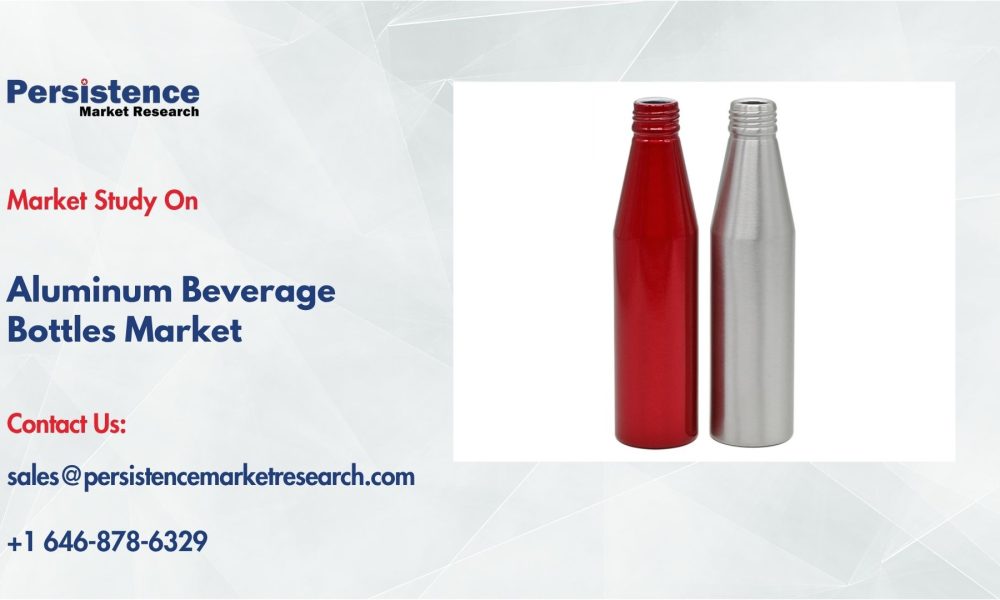
The global aluminum beverage bottles market is witnessing significant growth, driven by increasing consumer preference for sustainable and lightweight packaging solutions. In 2025, the market is projected to reach a valuation of US$10.70 billion and is expected to expand to US$16.62 billion by 2032, registering a robust compound annual growth rate (CAGR) of 6.5% during the forecast period from 2025 to 2032. The growth trajectory of the market is being propelled by heightened awareness regarding environmental sustainability, the shift from traditional glass and plastic packaging, and the growing adoption of aluminum packaging across the beverage industry.
The surge in consumer demand for convenience-oriented packaging and rising popularity of ready-to-drink beverages are key factors contributing to market expansion. Aluminum bottles offer distinct advantages over conventional packaging materials, including superior recyclability, lightweight properties, and enhanced preservation of beverage quality. These factors have encouraged beverage manufacturers, particularly in the soft drink, energy drink, and alcoholic beverages segments, to increasingly incorporate aluminum bottles into their packaging strategies. The ongoing trend toward premiumization of beverage packaging further augments the demand for aluminum bottles, as brands seek to enhance product aesthetics while reducing environmental impact.
Receive Sample of Research Report @ https://www.persistencemarketresearch.com/samples/35696
What is driving the shift from plastic and glass bottles to aluminum beverage bottles?
The primary drivers include environmental sustainability concerns, increasing consumer preference for recyclable and lightweight packaging, and the superior protective qualities of aluminum, which helps maintain beverage freshness and taste over time. Additionally, regulatory pressures and corporate sustainability commitments are accelerating the adoption of aluminum packaging.
Segmentation Analysis
The aluminum beverage bottles market can be segmented based on type, product category, and distribution channels. By type, the market primarily includes standard aluminum bottles and premium aluminum bottles. The premium segment is experiencing faster growth, driven by increasing demand for high-end beverages and the marketing appeal of sophisticated packaging designs. Standard aluminum bottles, however, continue to dominate in terms of volume due to their widespread usage across mainstream beverage categories.
By product category, aluminum bottles are widely adopted for carbonated soft drinks, energy drinks, alcoholic beverages, and functional beverages. Among these, energy drinks are witnessing rapid adoption of aluminum packaging owing to the growing youth consumer base and the demand for portable, durable containers. In the alcoholic beverages segment, craft beer and ready-to-drink cocktails are increasingly packaged in aluminum bottles to enhance portability, improve shelf-life, and reinforce brand differentiation. The trend toward ready-to-drink functional beverages is also contributing to market growth, as manufacturers leverage aluminum packaging to convey premium quality and sustainability credentials.
Distribution channels for aluminum beverage bottles include supermarkets and hypermarkets, convenience stores, specialty retail outlets, online retail, and direct-to-consumer channels. Supermarkets and hypermarkets remain the leading channels, driven by high-volume sales and consumer accessibility. Online retail is the fastest-growing channel, supported by e-commerce penetration, growing demand for home delivery, and rising consumer preference for direct purchase options.
Regional Insights
North America currently holds a leading position in the global aluminum beverage bottles market, accounting for a substantial share of revenue. The region benefits from a mature beverage industry, high consumer awareness regarding sustainable packaging, and strong regulatory frameworks promoting recyclable materials. The presence of major beverage manufacturers adopting aluminum bottles further consolidates the region’s leadership.
Asia-Pacific is identified as the fastest-growing region, driven by urbanization, rising disposable incomes, and increasing demand for premium and ready-to-drink beverages. Countries like China, India, and Japan are witnessing rapid adoption of aluminum bottles as consumers shift from traditional packaging to more sustainable alternatives. The growth is further supported by local manufacturers investing in advanced production facilities and innovative bottle designs tailored to regional preferences.
Unique Features and Innovations in the Market
Modern aluminum beverage bottles are differentiated by features such as lightweight construction, improved durability, and enhanced recyclability. Technological innovations are enabling manufacturers to produce aluminum bottles with custom shapes, colors, and finishes, thereby increasing product appeal and brand recognition. Additionally, the integration of smart labeling, QR codes, and interactive packaging is providing consumers with added value and engaging experiences.
Emerging technologies, including AI, IoT, and advanced automation, are enhancing manufacturing efficiency, quality control, and supply chain management within the aluminum beverage bottles market. AI-powered production monitoring ensures minimal material wastage and optimized operational efficiency, while IoT-enabled tracking systems facilitate real-time inventory management. These innovations contribute to cost reduction, sustainability, and consistent product quality, creating a competitive edge for forward-thinking manufacturers.
Market Highlights
Businesses and industries are increasingly adopting aluminum beverage bottles due to their environmental benefits, cost-effectiveness, and versatility. Regulatory compliance with environmental standards and corporate sustainability goals is a key factor driving adoption, as companies seek to reduce their carbon footprint and align with global recycling initiatives. The cost-effectiveness of aluminum, combined with its lightweight nature and ability to maintain beverage freshness, further reinforces its appeal across various beverage segments.
Sustainability remains a critical driver, as aluminum bottles can be recycled indefinitely without loss of quality. This recyclability aligns with circular economy principles and resonates with environmentally conscious consumers, enhancing brand reputation and market penetration. Additionally, consumer demand for premium packaging solutions has led manufacturers to explore innovative bottle designs that enhance visual appeal, tactile experience, and product differentiation.
Do You Have Any Query or Specific Requirement? Request Customization of Report: https://www.persistencemarketresearch.com/request-customization/35696
Key Players and Competitive Landscape
The global aluminum beverage bottles market features several prominent players employing diverse strategies to strengthen their market position. Leading companies include Ball Corporation, Ardagh Group, Crown Holdings, Can-Pack, Rexam, and Berlin Packaging.
Ball Corporation focuses on product innovation and sustainability, offering lightweight aluminum bottles and cans with improved recyclability. Ardagh Group emphasizes premium packaging solutions and brand customization, catering to energy drinks, craft beverages, and alcoholic beverages. Crown Holdings leverages technological advancements and acquisitions to expand its regional presence and enhance production capabilities. Can-Pack invests in automation and environmentally friendly manufacturing practices, while Rexam and Berlin Packaging prioritize strategic partnerships and design innovation to meet evolving consumer preferences. Collectively, these companies are driving growth through product differentiation, regional expansion, and alignment with sustainability initiatives.
Outlook
The global aluminum beverage bottles market is poised for continued growth, driven by evolving consumer preferences, sustainability regulations, and technological advancements. Opportunities exist in emerging markets, premium beverage segments, and innovative packaging solutions. The increasing popularity of ready-to-drink beverages, coupled with the shift toward environmentally responsible packaging, is expected to create favorable conditions for market expansion.
Advancements in materials engineering, production automation, and smart packaging technologies will further enhance product offerings and operational efficiency. Regulatory support for recyclable materials and corporate sustainability initiatives will play a crucial role in shaping the industry landscape. As beverage companies continue to prioritize premiumization, portability, and sustainability, aluminum bottles are expected to maintain their position as a preferred packaging solution, offering growth potential for manufacturers and investors alike.
Explore the Latest Trending Research Reports:




