
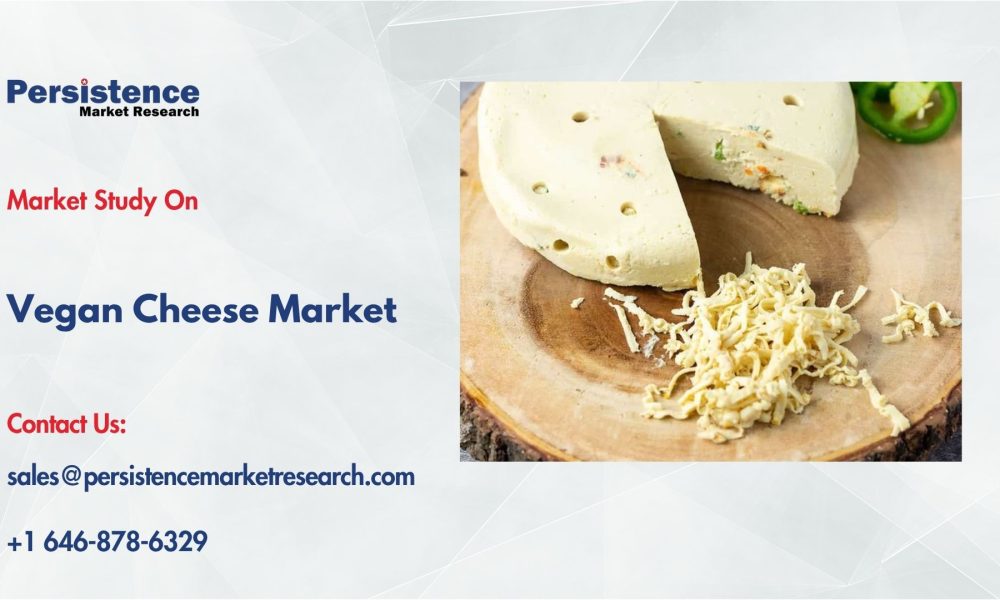
The global vegan cheese market is witnessing strong momentum as consumer preferences continue to shift toward plant-based and dairy-free alternatives. Driven by growing health awareness, ethical considerations, and environmental concerns, vegan cheese has evolved from a niche product into a mainstream food category. The global vegan cheese market size is valued at US$ 3.6 billion in 2025 and is projected to reach US$ 6.7 billion by 2032, expanding at a compound annual growth rate (CAGR) of 9.2% during the forecast period from 2025 to 2032.
This accelerated growth trajectory reflects a broader transformation in the global food and beverage industry, where innovation in plant-based formulations and expanding retail availability are reshaping consumer purchasing behavior. Vegan cheese products, made from ingredients such as nuts, soy, coconut oil, oats, and legumes, are increasingly being positioned as viable alternatives to conventional dairy cheese, offering improved taste, texture, and nutritional profiles.
The market outlook remains highly positive, supported by rising lactose intolerance rates, increasing vegan and flexitarian populations, and strong demand for clean-label and allergen-free food products. In addition, foodservice operators and quick-service restaurant chains are increasingly incorporating vegan cheese into their menus, further broadening market reach and accelerating adoption across diverse consumer segments.
Key Factors Driving Market Growth
One of the primary drivers of the vegan cheese market is the growing global emphasis on health and wellness. Consumers are increasingly seeking alternatives to traditional dairy products due to concerns related to cholesterol, saturated fat, and digestive health. Vegan cheese, often perceived as lighter and easier to digest, aligns well with these evolving dietary preferences.
Ethical considerations related to animal welfare are also playing a significant role in driving demand. As awareness of industrial dairy farming practices grows, a rising number of consumers are choosing plant-based alternatives that align with cruelty-free lifestyles. This trend is particularly pronounced among younger demographics, including millennials and Generation Z, who demonstrate strong values-based purchasing behavior.
Environmental sustainability is another major growth catalyst. Dairy production is associated with high greenhouse gas emissions, water usage, and land consumption. Vegan cheese products, by contrast, generally have a lower environmental footprint, making them attractive to environmentally conscious consumers and aligning with global sustainability goals.
Additionally, continuous product innovation has significantly improved the sensory attributes of vegan cheese, addressing earlier concerns related to taste and texture. Advances in food science, fermentation techniques, and ingredient sourcing have enabled manufacturers to create products that closely mimic the melting, stretching, and flavor characteristics of conventional cheese, thereby increasing consumer acceptance.
Get Your FREE Sample Report Instantly – Click Now: https://www.persistencemarketresearch.com/samples/27580
Segmentation Analysis
By Product Type
- Mozzarella
- Cheddar
- Parmesan
- Ricotta
- Cream
- Others
By Source
- Soy
- Almond
- Coconut
- Cashew
- Others
By Sales Channel
- Hypermarkets/Supermarkets
- Convenience Stores
- Specialty Stores
- Online Retail
- Others
Regional Insights
Leading Regions in the Global Market
Regionally, North America holds a leading position in the global vegan cheese market, driven by high consumer awareness, strong purchasing power, and a well-developed plant-based food ecosystem. The United States, in particular, has witnessed rapid growth in vegan product launches, supported by innovative startups, established food companies, and robust distribution networks.
Europe represents another major market, characterized by a mature vegan consumer base and strong regulatory support for plant-based and sustainable food products. Countries such as Germany, the United Kingdom, and France are at the forefront of vegan cheese adoption, supported by growing flexitarian populations and increasing availability of private-label vegan products in major retail chains.
Fastest-Growing Region
The Asia Pacific region is expected to be the fastest-growing market during the forecast period, driven by rising health awareness, increasing urbanization, and growing exposure to Western dietary trends. Markets such as China, Japan, Australia, and India are witnessing a gradual shift toward plant-based alternatives, supported by lactose intolerance prevalence and cultural familiarity with plant-based foods.
Expanding middle-class populations, increasing investments by international vegan brands, and the growth of modern retail infrastructure are further contributing to the region’s strong growth outlook. As awareness and accessibility continue to improve, Asia Pacific is expected to play an increasingly important role in shaping the future of the global vegan cheese market.
Unique Features and Innovations in the Market
Innovation is a defining characteristic of the modern vegan cheese market. Manufacturers are increasingly leveraging advanced food technologies to improve product quality, taste, and nutritional value. Fermentation-based techniques, including precision fermentation, are being used to enhance flavor complexity and replicate the functional properties of dairy proteins without animal-derived inputs.
The integration of artificial intelligence (AI) in product development is enabling faster formulation testing and optimization, helping companies better understand consumer preferences and accelerate innovation cycles. Internet of Things (IoT) technologies are being applied across manufacturing and supply chain operations to ensure quality consistency, improve traceability, and reduce production inefficiencies. In advanced markets, 5G-enabled connectivity is supporting real-time monitoring and automation in large-scale food processing facilities.
Clean-label innovation is another key differentiator, with brands increasingly focusing on reducing additives, artificial flavors, and allergens. Fortification with vitamins, minerals, and plant-based proteins is also gaining prominence, positioning vegan cheese as a nutritionally balanced alternative rather than just a substitute.
Need Tailored Insights? Request Customization Now: https://www.persistencemarketresearch.com/request-customization/27580
Market Highlights
The growing adoption of vegan cheese is being driven by its alignment with multiple consumer and industry priorities. For consumers, vegan cheese offers a way to reduce dairy intake without sacrificing taste or convenience. For food manufacturers and retailers, it represents an opportunity to tap into high-growth plant-based segments and diversify product portfolios.
Regulatory support for plant-based foods is further strengthening market growth. Governments and food authorities in several regions are promoting sustainable diets and encouraging innovation in alternative proteins. Clear labeling standards and improved regulatory clarity are enhancing consumer trust and facilitating wider market acceptance.
Cost competitiveness is also improving as production scales up and supply chains mature. Investments in automation, ingredient sourcing, and process optimization are helping manufacturers reduce costs and offer competitively priced products, making vegan cheese more accessible to a broader consumer base.
Key Players and Competitive Landscape
- Miyoko’s Creamery
- Violife
- Daiya Foods
- Kite Hill
- Follow Your Heart
- Field Roast / Chao Creamery
- Treeline Cheese
- Good Planet Foods
- Bel Brands (Nurishh)
- Bute Island Foods (Sheese)
- Three Girls Vegan Creamery
- Tofutti
- So Delicious
- Trader Joe’s
- Kraft NotCo
Future Opportunities and Growth Prospects
Looking ahead, the global vegan cheese market is expected to benefit from sustained innovation, expanding consumer awareness, and supportive regulatory environments. The convergence of health, sustainability, and ethical consumption trends will continue to create new growth opportunities across both developed and emerging markets.
Advancements in food technology, particularly in fermentation and protein engineering, are expected to further narrow the gap between vegan and dairy cheese in terms of taste and functionality. At the same time, evolving regulations and labeling standards will shape product development and market positioning.
As plant-based diets move further into the mainstream, vegan cheese is poised to become a staple category within the global food industry. Companies that invest in innovation, sustainability, and consumer-centric strategies are expected to capture significant value and drive long-term growth in this rapidly evolving market.
Explore the Latest Trending Research Reports:




