
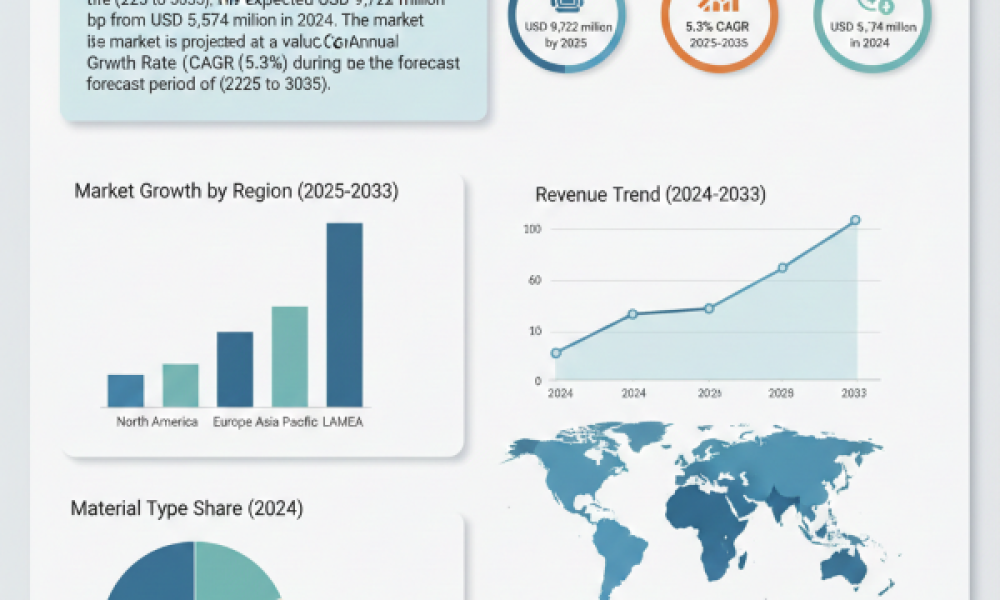
The global automotive soft trim interior market is entering a transformative phase as vehicle manufacturers increasingly prioritize comfort, aesthetics, sustainability, and premium in-cabin experiences. Automotive soft trim interiors—covering components such as dashboards, door panels, seats, headliners, armrests, carpets, and center consoles—play a critical role in shaping vehicle differentiation and brand perception. According to insights aligned with Fact.MR analysis, the market is expected to witness steady growth between 2026 and 2036, driven by evolving consumer preferences, electrification trends, and material innovation.
Soft trim materials, including leather, synthetic leather, fabric, thermoplastic polymers, polyurethane foams, and bio-based alternatives, are increasingly used to enhance tactile quality, noise reduction, and visual appeal. As competition intensifies across passenger and commercial vehicle segments, interior design has become a key battleground for automakers seeking to improve customer satisfaction and loyalty.
To access the complete data tables and in-depth insights, request a Discount On The Report here: https://www.factmr.com/connectus/sample?flag=S&rep_id=479
Market Growth Outlook
The global automotive soft trim interior market is projected to expand at a healthy pace over the next decade, supported by rising global vehicle production, especially in emerging economies. Growth is further reinforced by the premiumization trend, where even mid-range vehicles are adopting high-quality interior finishes once reserved for luxury models.
Europe remains a major market due to its strong automotive manufacturing base, emphasis on vehicle quality, and early adoption of sustainable materials. Germany, France, Italy, and the UK continue to drive demand, while Eastern Europe presents new opportunities for cost-competitive production and regional supply expansion.
Key Growth Drivers
One of the primary growth drivers is increasing consumer focus on comfort and cabin experience. Buyers now expect refined interiors with soft-touch surfaces, ergonomic design, and improved acoustic insulation. This has elevated demand for advanced soft trim solutions that balance durability with aesthetics.
Another significant driver is the rise of electric vehicles (EVs). EV manufacturers are reimagining interiors to emphasize spaciousness, minimalism, and technology integration, which is boosting demand for innovative soft trim materials that support lightweighting and sustainability goals.
Sustainability is also reshaping the market. Automakers are under pressure to reduce environmental impact by using recycled plastics, bio-based polymers, vegan leather, and low-VOC materials. This shift is creating opportunities for suppliers that can offer compliant, high-performance, and eco-friendly interior solutions.
Technology and Material Trends
Material innovation is a defining trend in the automotive soft trim interior market. Advanced polymers, microfiber fabrics, and coated textiles are increasingly replacing traditional materials due to their cost efficiency, durability, and design flexibility. At the same time, premium leather and high-end synthetic alternatives continue to dominate luxury vehicle segments.
Manufacturers are also adopting advanced manufacturing technologies such as injection molding, thermoforming, and surface lamination to achieve complex geometries and superior finishes. Smart surfaces with integrated lighting, touch controls, and haptic feedback are emerging as next-generation interior features, particularly in connected and autonomous vehicles.
Competitive Landscape and Market Entry Insights
The market is moderately consolidated, with global Tier-1 suppliers competing alongside regional and specialized manufacturers. Key competitive strategies include long-term supply agreements with OEMs, investment in R&D, capacity expansion in emerging markets, and collaboration on sustainable material development.
For new entrants, success will depend on aligning product portfolios with OEM requirements for cost, quality, and regulatory compliance. Establishing local manufacturing presence near automotive hubs and offering customization capabilities will be critical for market entry and growth.
Challenges and Risk Factors
Despite positive prospects, the market faces challenges such as fluctuating raw material prices, supply chain disruptions, and increasing cost pressure from OEMs. Additionally, meeting stringent automotive safety, durability, and environmental standards requires continuous investment in testing and compliance.
Outlook Summary
Looking ahead to 2036, the global automotive soft trim interior market is set to benefit from long-term trends including vehicle electrification, interior premiumization, and sustainability-driven innovation. Europe will remain a strategically important region, while Asia-Pacific is expected to emerge as the fastest-growing market.
For material suppliers, component manufacturers, and investors, the sector offers attractive opportunities to capture value through innovation, strategic partnerships, and alignment with next-generation vehicle interior concepts.
Have a specific Requirements and Need Assistant on Report Pricing or Limited Budget please contact us – [email protected]
About Fact.MR
Fact.MR is a global market research and consulting firm, trusted by Fortune 500 companies and emerging businesses for reliable insights and strategic intelligence. With a presence across the U.S., UK, India, and Dubai, we deliver data-driven research and tailored consulting solutions across 30+ industries and 1,000+ markets. Backed by deep expertise and advanced analytics, Fact.MR helps organizations uncover opportunities, reduce risks, and make informed decisions for sustainable growth.



