
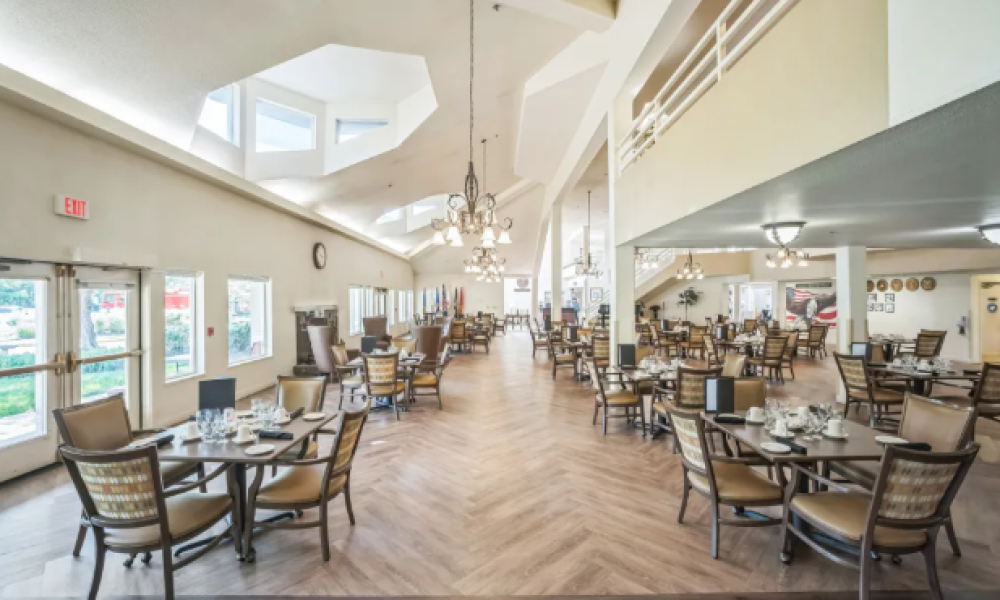
The grand reopening of The Fairmont by Barclay House in Manassas, Virginia, marks the latest move by QSL Management to cement its vision for high end, resort style residential services for seniors.
The landscape of senior living is undergoing a sustained transformation, shifting away from traditionally clinical or institutional models toward high-amenity, hospitality driven experiences. This strategic pivot is most evident in the recent activities of QSL Management, an operator known for its portfolio of resort style facilities across the Southeast United States. The official grand reopening of The Fairmont by Barclay House, set for December 2, 2025, is not merely a ribbon cutting, but a highly visible demonstration of the company’s commitment to setting a new benchmark for residential services in the sector.
A Strategic Rebranding in a Competitive Sector
QSL Management acquired The Fairmont property in July 2024, immediately initiating a rebranding and operational overhaul designed to align the facility with the firm’s signature standard of service. This approach is rooted in an expansive geographic footprint, which covers states including Florida, Georgia, and Virginia, among others. The decision to invest heavily in the Manassas property reflects a calculated bet on the consumer demand for luxury accommodations and elevated daily experiences. In a market segment where differentiation is increasingly based on lifestyle rather than just location, the operator’s reputation for prioritizing hospitality becomes a critical asset.
The Hospitality Centric Model as a Differentiator
The core of QSL Management’s strategy is the systematic application of high end hospitality principles to senior care. This vision directly addresses the evolving expectations of the affluent senior demographic, who are looking for communities that complement, rather than constrain, their established quality of life. The operational framework at The Fairmont centers on curated, high touch experiences. This is perhaps most clearly demonstrated in the culinary program, which features a restaurant style dining experience and an Executive Chef, Julio Centeno. The upcoming reopening event itself is being framed around a sophisticated, specially prepared menu, including a carving station, suggesting that fine dining is a non negotiable element of the daily resident experience.
Beyond Amenities: The Emphasis on Social Engagement
While upscale dining and luxury amenities, such as guided activity programs, are highly visible markers of the resort style approach, the deeper, more impactful element of QSL Management’s model is the focus on building and sustaining meaningful social engagement. The most common challenges in many senior living settings relate to isolation and a decline in social connections. By intentionally designing environments that foster rewarding social interactions and through the implementation of comprehensive activity programs, the firm aims to address the emotional and psychological well being of residents, effectively treating social vitality as an essential amenity. This systematic approach is intended to position The Fairmont as a center for community and connection, rather than just a place of residence.
QSL Management’s Role in Industry Evolution
QSL Management is not just participating in the evolution of senior living, but actively seeking to drive it. By consistently deploying an innovative model that prioritizes service, atmosphere, and lifestyle, the company provides a case study in how operators can command a premium in the market. The success of facilities like The Fairmont will ultimately test the scalability and profitability of the true resort style model in this critical sector. As demographics continue to shift and the demand for sophisticated elder care solutions increases, the blueprint established by operators like QSL Management may become the standard for future development in the industry. Those interested in learning more about the corporate strategy and full portfolio can review the company’s website. The firm’s ongoing commitment suggests a sustained movement toward redefining what constitutes quality in senior residential services.



