
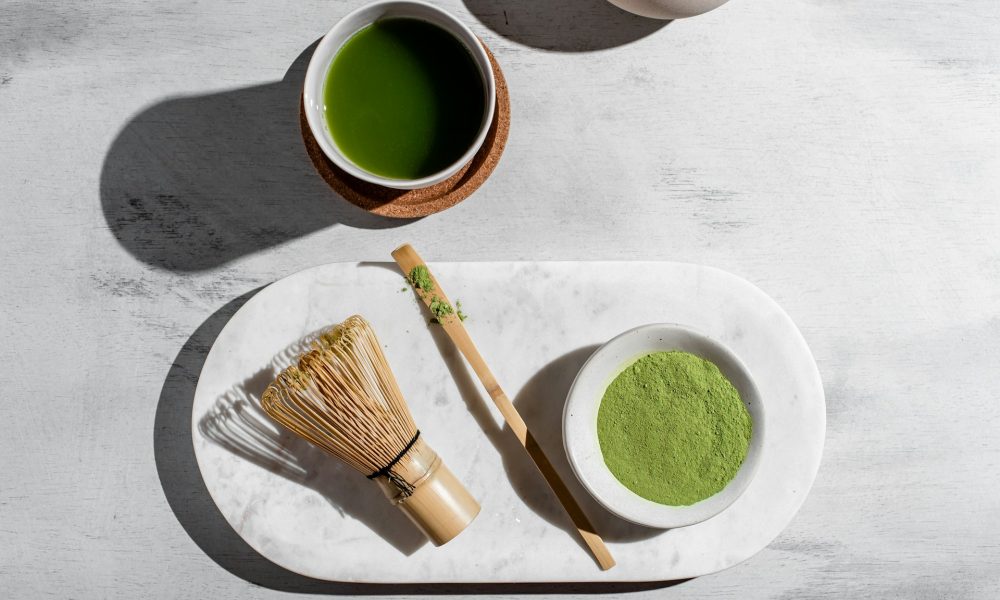
Matcha tea is an integral part of Japanese culture, cherished for its unique flavor and numerous health benefits. With its verdant hue and rich texture, matcha has captivated tea lovers worldwide. Among the different offerings, Masashi Matcha Tea stands out with its exquisite balance of taste and texture.
The Origin of Matcha
Matcha’s origins can be traced back to ancient Japan, where it was initially used by Zen monks to aid meditation. Over time, it has evolved into a popular beverage enjoyed in various settings. The cultivation and preparation techniques have been refined to enhance the quality and flavor of the tea.
Understanding Different Matcha Varieties
Not all matcha teas are created equal. The varieties range from delicate to bold, each offering a distinct taste profile. The differences are often influenced by the cultivation techniques, the region of production, and the time of harvest.
Delicate Matcha
Delicate matcha is typically characterized by its subtle sweetness and a hint of umami. This variety is ideal for those new to matcha or those who prefer a milder taste. The color of delicate matcha is often a vibrant green, indicating high-quality leaves were used in its production.
Bold Matcha
Bold matcha, on the other hand, is known for its robust flavor and slightly bitter undertones. It offers a more intense matcha experience, suitable for seasoned drinkers. The bold variant is often used in cooking to infuse a strong flavor into dishes and beverages.
The Role of Terroir in Matcha Production
Just like wine, the terroir, or the natural environment in which matcha is produced, greatly impacts its flavor profile. Factors such as soil quality, climate, and altitude play significant roles in defining the characteristics of the tea.
The Art of Crafting Matcha
The crafting of matcha is an art form, requiring precision and expertise. The process begins with shading the tea plants before harvest, which increases the chlorophyll content and imparts the signature green color. The leaves are then harvested, steamed, dried, and stone-ground into a fine powder.
Health Benefits of Matcha
Matcha is renowned for its plethora of health benefits. Rich in antioxidants, it helps combat free radicals in the body. It also boosts metabolism, enhances mood, and aids in concentration. Japanese Green Tea, as featured on IKKYU Tea, embodies these beneficial properties.
Masashi Matcha Tea: A Standout Choice
The IKKYU Tea collection features Masashi Matcha Tea, which offers a perfect balance of velvety texture and rich flavor. Known for its exceptional quality, it is a preferred choice among matcha aficionados. This is attributed to the meticulous production process and the high-quality leaves used.
Incorporating Matcha Into Daily Life
Incorporating matcha into your daily routine can be both enjoyable and beneficial. It can be prepared traditionally in tea ceremonies or used creatively in cooking, baking, and beverage preparation. The versatility of matcha makes it a staple in many households.
Conclusion
Exploring the world of matcha unveils a spectrum of flavors and experiences. From delicate to bold, each variety offers something unique. With its rich heritage and health benefits, matcha continues to be a beloved choice for tea enthusiasts around the globe.
FAQ: Exploring Matcha Tea Varieties
1. What are the main differences between delicate and bold matcha?
Delicate matcha has a mild, slightly sweet flavor with a smooth umami finish, making it ideal for newcomers or those who enjoy a lighter taste. Bold matcha, however, offers a stronger, more earthy flavour with pleasant bitterness — perfect for seasoned tea drinkers and culinary use.
2. What is matcha powder made from?
Matcha powder is made from finely ground tea leaves of the Camellia sinensis plant. The leaves are shaded before harvest to enhance chlorophyll content, giving matcha its vibrant green colour and concentrated nutrients. After harvest, the leaves are steamed, dried, and stone-ground into a smooth powder.
3. How can I tell if matcha is high quality?
High-quality matcha is bright green, fine in texture, and produces a creamy froth when whisked. Its flavor should be naturally sweet with a hint of umami, without any bitterness or dull coloring.
4. What does “terroir” mean in matcha production?
“Terroir” refers to the natural environment where matcha is cultivated — including soil, altitude, and climate. These factors influence the aroma, body, and character of the tea, much like terroir shapes the profile of fine wines.
5. How is Masashi Matcha Tea different from other brands?
Masashi Matcha Tea, available through IKKYU Tea, stands out for its velvety texture and balanced flavor. Each batch is carefully crafted from handpicked leaves and stone-ground to preserve freshness and authenticity, creating a superior matcha experience.
6. Is matcha stronger than green tea?
Yes, matcha typically contains a higher concentration of antioxidants, caffeine, and amino acids compared to regular brewed green tea. Because you consume the entire powdered leaf rather than just steeped water, matcha delivers a richer flavor and more potent experience.
7. Can matcha be used in recipes other than tea?
Absolutely. Matcha adds vibrant color and flavor to smoothies, lattes, desserts, and baked goods. Bold matcha varieties are especially suited for culinary use because their robust flavor holds up well in recipes.
8. How should I store matcha to keep it fresh?
Store matcha in an airtight container away from sunlight, moisture, and heat. Refrigerating it after opening can help maintain its color and flavor. For best results, use within a few weeks of opening.
9. Is matcha really healthy?
Matcha is naturally rich in antioxidants and nutrients, which may support overall wellness when enjoyed as part of a balanced lifestyle. It provides calm, focused energy and is a popular choice among those seeking mindful daily rituals.




