
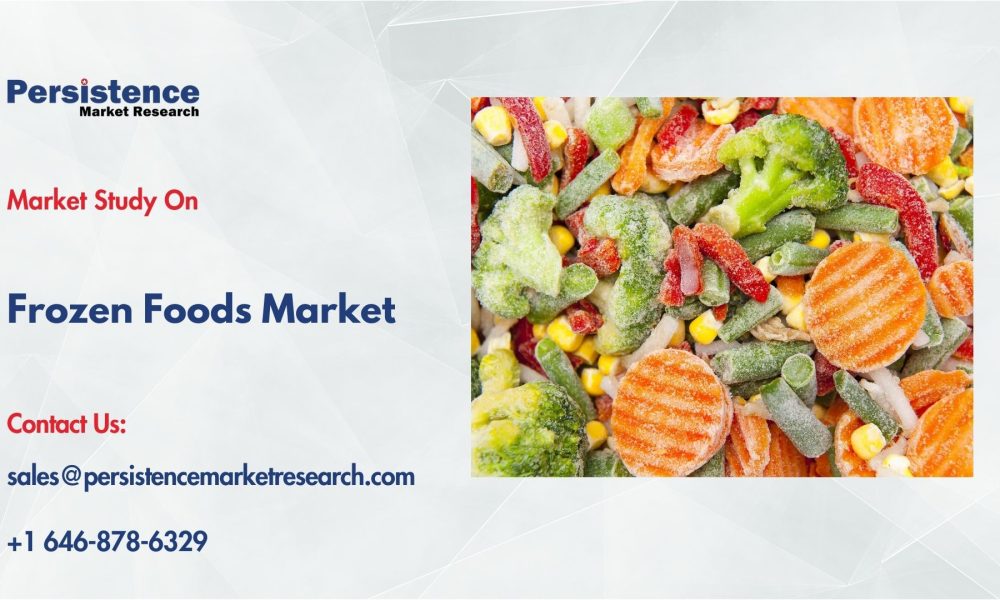
The global frozen foods market is set to witness robust growth over the next decade, driven by shifting consumer lifestyles, the increasing demand for convenience-oriented food products, and innovations in preservation technologies. Valued at US$ 311.1 Bn in 2025, the market is projected to expand steadily to US$ 452.6 Bn by 2032. This growth represents a compound annual growth rate (CAGR) of 5.50% during the forecast period from 2025 to 2032.
The steady expansion of the frozen foods industry can be attributed to a combination of factors. Busy urban lifestyles are encouraging consumers to opt for ready-to-eat and easy-to-cook products, reducing preparation time while ensuring access to nutritious options. Improvements in cold-chain logistics, enhanced freezing technologies, and rising penetration of modern retail channels, including supermarkets and online platforms, are further propelling market growth. Additionally, manufacturers are focusing on product innovation, offering healthier alternatives such as gluten-free, vegan, and low-sodium frozen food varieties to cater to evolving consumer preferences.
Why is the frozen foods market growing so quickly?
The frozen foods market is expanding rapidly due to the rising demand for convenience, increased reliance on ready-to-eat meals among working professionals, and advances in freezing technology that ensure longer shelf life without compromising taste or nutrition. Furthermore, the growing influence of online grocery platforms has made frozen products more accessible to consumers globally, boosting sales and consumption across both developed and emerging markets.
Request Sample Copy of Report: https://www.persistencemarketresearch.com/samples/3374
Segmentation Analysis
By Type
The frozen foods market is broadly segmented into frozen fruits and vegetables, frozen ready meals, frozen meat and seafood, frozen bakery products, and others. Among these, frozen ready meals currently dominate the market owing to their widespread popularity among time-pressed consumers. This segment’s growth is fueled by the convenience they provide, as well as increasing product diversification to include ethnic cuisines, healthier recipes, and sustainable ingredient sourcing.
Frozen meat and seafood also represent a significant segment, driven by the rising global consumption of protein-rich diets and the growing need for longer preservation in regions with limited access to fresh supply chains. Meanwhile, frozen fruits and vegetables are witnessing rapid adoption, particularly in health-conscious markets, where consumers seek nutritious options that are available year-round.
By Product/Service Type
In terms of product adoption, ready-to-eat frozen meals are gaining substantial traction. The segment appeals to consumers across diverse demographics, including young professionals, students, and nuclear families, who value quick and convenient dining options without compromising on flavor or nutrition. Frozen bakery products, including bread, pastries, and desserts, are also on the rise, supported by expanding retail footprints and increasing household consumption.
Service-oriented distribution channels such as quick-service restaurants (QSRs) and food delivery services are also playing a key role in the adoption of frozen foods. The integration of frozen food products into restaurant supply chains ensures consistent quality, reduced wastage, and faster preparation times, contributing to the segment’s long-term growth.
By Technology/Channel
The rise of e-commerce and online grocery delivery platforms has revolutionized frozen food distribution. Advanced cold-chain management technologies are ensuring seamless delivery to end consumers, while smart packaging solutions extend shelf life and enhance product visibility. Supermarkets and hypermarkets remain vital channels, but the surge in direct-to-consumer frozen food sales through digital platforms marks a transformative trend in the market landscape.
Regional Insights
Geographically, North America and Europe remain the leading regions in the frozen foods market, driven by mature consumer bases, advanced logistics networks, and high awareness regarding the benefits of frozen products. The U.S., Germany, and the U.K. are major contributors, with a strong preference for ready meals and frozen protein products.
However, the Asia-Pacific region is projected to be the fastest-growing market during the forecast period. Rising urbanization, increasing disposable incomes, and changing dietary habits across countries such as China, India, and Southeast Asian nations are fueling demand. Moreover, the expansion of modern retail infrastructure and the proliferation of online grocery services are further accelerating adoption in the region. Latin America and the Middle East & Africa are also witnessing notable growth, particularly due to improving cold-storage infrastructure and the increasing popularity of international cuisines.
Do You Have Any Query or Specific Requirement? Request Customization of Report: https://www.persistencemarketresearch.com/request-customization/3374
Unique Features and Innovations in the Market
Modern frozen food solutions are increasingly characterized by innovations in freezing techniques and packaging technologies. Advanced cryogenic freezing and individual quick freezing (IQF) methods preserve the natural texture, taste, and nutritional value of food products, making frozen alternatives more appealing to health-conscious consumers.
Technologies such as AI and IoT are revolutionizing supply chain monitoring and cold storage management, ensuring greater efficiency and reduced losses. AI-driven demand forecasting helps manufacturers and retailers manage inventory more effectively, while IoT-enabled temperature sensors guarantee optimal storage conditions across transportation and warehousing. Additionally, smart packaging solutions with QR codes provide consumers with detailed product information, improving transparency and trust in frozen products.
Market Highlights
The adoption of frozen foods is strongly linked to the need for convenience and extended shelf life, allowing households and foodservice operators to reduce waste while ensuring consistent quality. Regulatory frameworks in several regions are also supporting the frozen food industry by emphasizing food safety standards and sustainable packaging initiatives. Cost reduction in logistics and the development of energy-efficient refrigeration systems are further facilitating broader adoption.
Sustainability has emerged as a key driver, with manufacturers focusing on recyclable packaging and ethically sourced ingredients. Consumers are increasingly aligning purchasing decisions with eco-friendly brands, pushing companies to invest in sustainable innovation.
Key Players and Competitive Landscape
The frozen foods market is highly competitive, with global and regional players competing through product innovations, mergers, acquisitions, and geographic expansion.
Nestlé S.A. continues to be a leader, offering a diverse portfolio of frozen meals and bakery products. Its strategy revolves around health-focused innovations and sustainable practices.
Unilever plc leverages its strong global presence and brand recognition, particularly through products catering to indulgence and convenience categories.
Conagra Brands, Inc. focuses on product diversification and acquisitions to strengthen its footprint in North America.
General Mills, Inc. has been expanding its frozen bakery and ready meal offerings, emphasizing health-conscious formulations.
Nomad Foods Limited, a prominent player in Europe, relies on strong regional brands and innovations in seafood and plant-based frozen products.
Tyson Foods, Inc. plays a vital role in the frozen meat and poultry segment, supported by its extensive supply chain network.
Regional players in Asia-Pacific, Latin America, and the Middle East are also emerging as significant contributors, capitalizing on local preferences and expanding retail networks.
Outlook
The frozen foods market is poised for substantial growth over the next decade, underpinned by rising global demand for convenient, nutritious, and sustainable food solutions. Advances in freezing technologies, supply chain innovations, and packaging solutions will continue to shape the industry’s trajectory.
Emerging economies are expected to play a pivotal role, as rising incomes and urban lifestyles shift dietary habits toward ready-to-eat and easy-to-prepare meals. Simultaneously, regulatory emphasis on sustainability and food safety will influence industry practices, pushing companies to innovate in alignment with consumer expectations.
Looking ahead, the integration of AI, IoT, and eco-friendly packaging solutions is set to redefine the frozen food landscape, offering new opportunities for both global giants and regional players. As consumer preferences evolve and technologies advance, the frozen foods market will remain at the forefront of modern food innovation.
Explore the Latest Trending Research Reports:




