
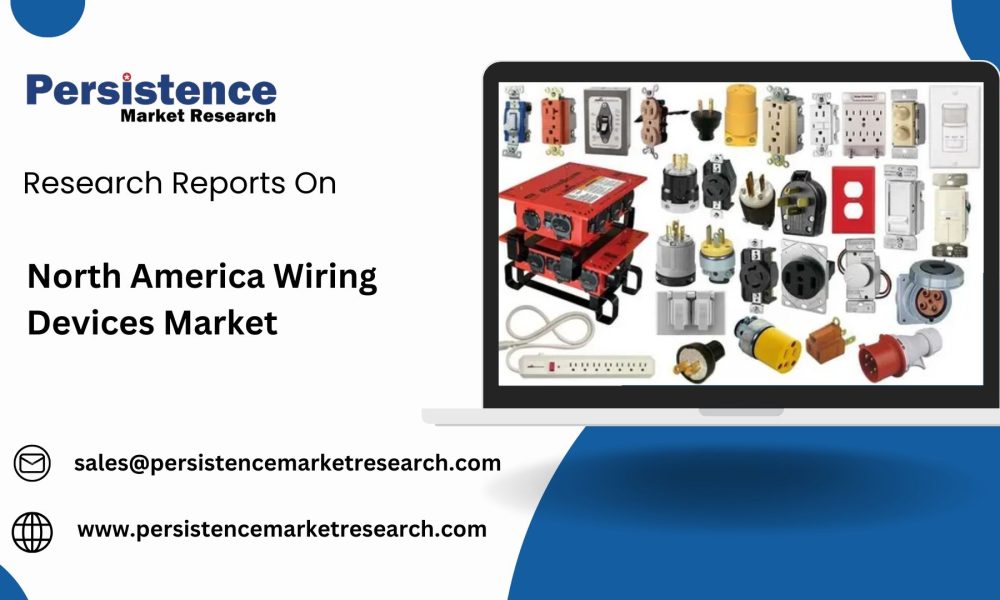
The North America wiring devices market is entering a strong growth phase, supported by rising smart home adoption, home renovation projects, and increasing demand for energy-efficient technologies. Valued at US$ 18.96 billion in 2024, the market is projected to grow at a CAGR of 4.9%, reaching US$ 26.46 billion by 2031. This steady expansion underscores the region’s ongoing digital transformation and the shift toward smarter, safer, and more sustainable residential and commercial infrastructures.
Understanding Wiring Devices and Their Importance
Wiring devices are the backbone of modern electrical systems. They include switches, sockets, plugs, dimmers, and related accessories that ensure the seamless distribution and control of electricity in residential, commercial, and industrial settings.
While often overlooked, wiring devices are critical for enabling safety, energy efficiency, and user convenience. With advancements in smart technologies, they are no longer limited to simple functions. Today, devices come equipped with features like motion sensors, Wi-Fi connectivity, app-based controls, and voice assistant compatibility.
The North American market is particularly dynamic because consumers in this region value both aesthetics and functionality in electrical components, driving innovation in design, sustainability, and smart integration.
Market Growth Drivers
Several factors are contributing to the growth of the wiring devices market in North America:
- Rising Adoption of Smart Home Technology
Smart homes are rapidly becoming the norm. Devices like connected light switches, smart plugs, and app-controlled dimmers are in high demand. These products not only enhance convenience but also improve energy efficiency and security. Consumers are increasingly seeking wiring devices compatible with platforms such as Amazon Alexa, Google Assistant, and Apple HomeKit.
- Increase in House Remodeling Projects
North America has seen a boom in home renovations. Kitchen and bathroom remodeling projects are the most common, accounting for 81% and 80% of all projects, respectively. Each project averages around US$ 7,500, with a strong emphasis on upgrading electrical systems to support modern appliances, lighting, and automation. Whole-house renovations (53%) and room additions (45%) also fuel the demand for advanced wiring devices.
- Energy Efficiency Regulations and Consumer Preferences
Governments and consumers alike are pushing for energy efficiency. Wiring devices that reduce power consumption, feature built-in timers, or integrate with smart energy management systems are gaining popularity. The trend reflects a broader societal push toward sustainability and reduced carbon footprints.
- Growth in Urbanization and Infrastructure Development
Urban centers across North America are expanding, with new residential and commercial buildings requiring modern electrical systems. Builders and developers are integrating advanced wiring devices right from the planning stage to meet customer expectations and regulatory requirements.
Elevate your business strategy with comprehensive market data. Request a sample report now: https://www.persistencemarketresearch.com/samples/34965
Key Market Trends
The wiring devices industry in North America is not static; it is evolving quickly to reflect technological and lifestyle changes. Below are some of the most prominent trends:
Smart Wiring Devices Dominate
Products like smart switches, outlets with USB charging ports, and wireless dimmers are becoming mainstream. These devices offer flexibility, remote control, and integration with broader smart home ecosystems.
Aesthetic and Modular Designs
Consumers increasingly view wiring devices as part of their home décor. Manufacturers now offer a wide range of colors, finishes, and modular designs to cater to diverse tastes.
Growing Popularity of Wireless and IoT-Enabled Devices
The proliferation of IoT-enabled devices is driving demand for wireless controls and sensor-based wiring devices. Motion-sensor switches, occupancy detectors, and voice-activated dimmers are becoming common.
Safety and Compliance as a Priority
With heightened awareness of fire and electrical hazards, safety certifications and compliance with strict regulations have become essential. Advanced features like surge protection and child-proof sockets are gaining traction.
Sustainability and Eco-Friendly Materials
Manufacturers are focusing on producing wiring devices from recyclable materials and incorporating designs that minimize energy wastage. Eco-labeling and sustainability certifications are helping brands appeal to environmentally conscious consumers.
The U.S. Leads the Market
Within North America, the United States dominates the wiring devices market, accounting for the largest share. Several factors contribute to this leadership:
- The U.S. has the highest penetration of smart homes globally.
- A booming housing market and frequent remodeling activities create consistent demand.
- Strong presence of leading manufacturers such as Honeywell, Hubbell, and Leviton, who are headquartered in the country.
- Stringent safety standards and energy efficiency regulations encourage adoption of advanced wiring devices.
Canada and Mexico are also witnessing growth, though at a slightly slower pace, mainly driven by urban development and gradual smart home adoption.
Remodeling Projects as a Catalyst for Growth
The remodeling market provides a significant opportunity for wiring device manufacturers. According to industry data, kitchen and bathroom renovations dominate home improvement projects, with consumers often opting to install new switches, outlets, and dimmers that align with modern appliances and lighting needs.
Additionally, the rise in home office setups post-pandemic has increased the demand for USB-integrated sockets, surge protectors, and advanced outlets to support multiple electronic devices. This shift highlights how lifestyle changes directly influence wiring device adoption.
Competitive Landscape
The North American wiring devices market is highly competitive, with both multinational corporations and regional players vying for market share.
Leading Companies Include:
- Honeywell International Inc. – Known for its innovation in smart and energy-efficient solutions.
- Hubbell Incorporated – Offers a wide range of wiring devices tailored for residential, commercial, and industrial use.
- Leviton Manufacturing Co., Inc. – A leader in smart home wiring devices with extensive compatibility across ecosystems.
These companies are expanding their portfolios with energy-efficient, sustainable, and smart-compatible wiring components to meet evolving consumer demands. Investments in R&D, partnerships with smart home platforms, and acquisitions are common strategies to maintain market dominance.
Opportunities Ahead
As the market expands, several opportunities will define the future of wiring devices in North America:
Integration with Renewable Energy Systems
As solar panels and home energy storage systems gain popularity, wiring devices that support renewable integration will see rising demand.
Expansion of Commercial Smart Buildings
The commercial real estate sector is embracing smart building technologies. Wiring devices that enable efficient energy management, lighting automation, and safety will play a crucial role.
Affordable Smart Solutions for Wider Adoption
While premium smart devices dominate now, there is a growing opportunity for affordable solutions that make smart homes accessible to the mass market.
Sustainability-Driven Innovation
Eco-conscious consumers will continue to push companies to innovate in recyclable materials, low-energy designs, and environmentally friendly manufacturing processes.
Challenges Facing the Market
Despite the promising growth, the wiring devices industry faces certain challenges:
- Price Sensitivity: High costs of premium smart devices can deter price-conscious consumers.
- Compatibility Issues: Not all devices are compatible across ecosystems, leading to consumer hesitation.
- Supply Chain Disruptions: Fluctuations in raw material prices and logistical hurdles can impact profitability.
- Cybersecurity Concerns: As wiring devices become more connected, ensuring robust data security will be essential.
Addressing these challenges will be crucial for sustained market growth.
Conclusion
The North America wiring devices market is set for robust growth, projected to reach US$ 26.46 billion by 2031 from US$ 18.96 billion in 2024, driven by smart home adoption, energy efficiency trends, and booming remodeling projects. The U.S. will remain at the forefront, supported by innovation from leading companies like Honeywell, Hubbell, and Leviton.
With the increasing emphasis on sustainability, aesthetics, and smart integration, the market is poised to evolve significantly over the next decade. Manufacturers that can balance innovation, affordability, and eco-conscious design will be best positioned to capitalize on the opportunities ahead.
The wiring devices that once served as mere utility items are now transforming into critical enablers of modern living, bridging the gap between technology, energy efficiency, and lifestyle.
Related Reports:




