
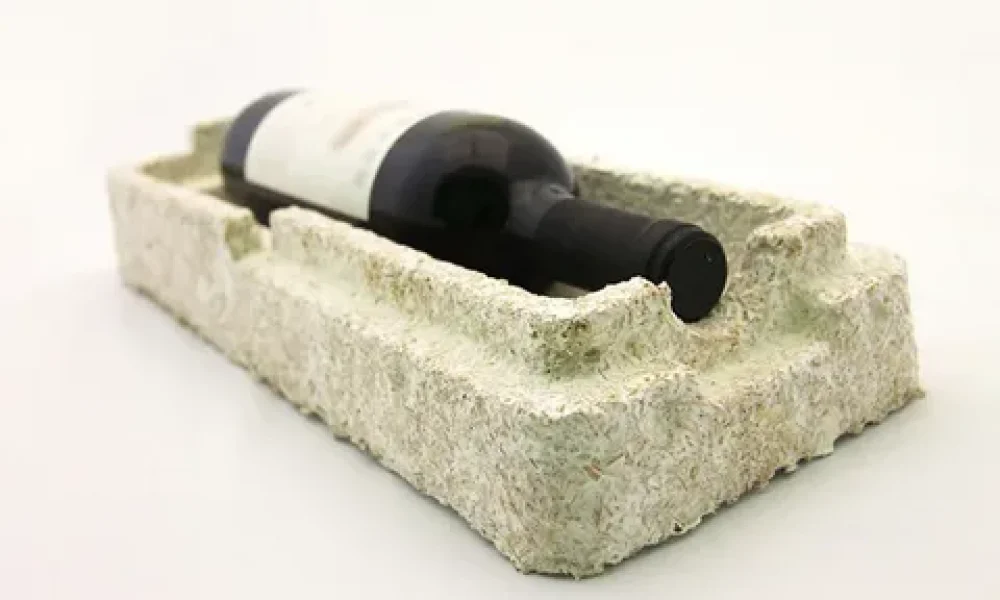
The global mycelium-based packaging market is on a remarkable upward path as industries transition toward sustainable materials. Valued at USD 92.9 million in 2025, the market is projected to more than double to USD 228.1 million by 2035, achieving a strong CAGR of 9.4%. This growth is not just about replacing plastics; it represents a larger shift in how businesses, regulators, and consumers envision packaging for the future.
Strong Momentum Ahead of Mainstream Adoption
The foundations of this growth were laid between 2020 and 2024, when the market steadily expanded from USD 59.3 million to USD 84.9 million. Each year marked visible progress:
2021: USD 64.8 million
2022: USD 70.9 million
2023: USD 77.6 million
2024: USD 84.9 million
This consistency highlighted a maturing sector with growing industry confidence.
Full Market Report available for delivery. For purchase or customization, please request here:
https://www.futuremarketinsights.com/reports/sample/rep-gb-24571
Between 2025 and 2030, the market is expected to rise from USD 92.9 million to USD 145.5 million, contributing nearly 38% of total growth. Demand is being fueled by applications in food, beverage, personal care, and electronics, where sustainable yet cost-efficient packaging is becoming an operational necessity. During this stage, investments in advanced cultivation and molding techniques will help improve scalability and material resilience.
From 2031 to 2035, the industry will reach new heights, advancing from USD 159.2 million to USD 228.1 million. This final phase reflects global standardization, deeper supply chain integration, and industrial-scale adoption, particularly in protective and logistics packaging.
Why Mycelium Packaging is Gaining Ground
Mycelium packaging occupies a strategic niche in the global packaging sector. It holds a 3–4% share of sustainable and alternative materials, with stronger penetration—nearly 7–8%—within biodegradable packaging. Its appeal lies in being lightweight, compostable, shock-absorbing, and versatile, making it ideal for electronics, wine bottles, fragile goods, and specialty food packaging.
Corporate sustainability commitments, rising consumer awareness, and regulatory mandates are reinforcing this momentum. By using agricultural waste as feedstock, manufacturers not only cut production costs but also reduce carbon footprints. Strategic collaborations between biotech startups and established packaging companies are further accelerating commercialization.
Segmental Highlights
By Type: Pure mycelium packaging will dominate with a 45% share in 2025, thanks to its biodegradability and structural integrity. Its ability to be molded into custom shapes ensures safe transit and strong brand appeal.
By Function: Cushioning applications will lead with 55% share in 2025, as industries increasingly favor compostable shock-absorbing alternatives over synthetic foams.
By Format: Sheets will account for 60% of the market, reflecting their adaptability in shipping, protective layering, and retail displays.
By End Use: Consumer goods, food & beverage, and healthcare remain at the forefront, while construction and industrial goods show rising interest in replacing styrofoam and thermocol with fungi-based solutions.
Regional Growth Leaders
Global adoption is shaped by distinct regional trends:
China (12.7% CAGR) – Leading the global race, fueled by e-commerce demand, electronics exports, and strong government-backed plastic reduction policies. By 2030, mycelium packaging will be a mainstream feature in Chinese retail supply chains.
India (11.8% CAGR) – Rapid adoption driven by booming food delivery platforms, growing consumer awareness, and supportive government waste reduction mandates. Local startups are innovating low-cost, market-specific solutions.
Europe – Germany (10.8%) and France (9.9%) are emerging as leaders. France, in particular, is seeing adoption in luxury food, beverage, and cosmetics packaging, where the premium look of mycelium enhances brand value. The UK (8.9%) is showing renewed momentum, driven by retailers and food service operators.
United States (8.0% CAGR) – Adoption is steady, with progress concentrated in e-commerce packaging pilots, food chains testing trays, and domestic innovators scaling production. Though slower than Asia and Europe, U.S. growth reflects strong niche adoption.
Established Leaders and New Innovators
The competitive landscape is dynamic, featuring pioneers, established multinationals, and agile newcomers:
Ecovative Design (Ecovative) – A pioneer and global reference point, Ecovative is advancing scalable fungi-based solutions for both protective and food packaging, partnering with consumer goods leaders worldwide.
Sealed Air – Leveraging its global presence and R&D, Sealed Air is embedding fungi-derived alternatives into its industrial packaging portfolio, accelerating mainstream adoption.
Vericool – Focused on cold-chain logistics, food delivery, and pharma packaging, Vericool offers strong alternatives to styrofoam with fully compostable products.
MycoWorks – Blending biofabrication expertise with commercial focus, MycoWorks is expanding applications in packaging and luxury sectors, demonstrating fungi’s versatility.
BioFab / Magical Mushroom Company – A European innovator known for affordable, customizable, and lightweight solutions that align well with retail and e-commerce needs.
Emerging disruptors across Asia and North America are experimenting with hybrid composites, improved moisture resistance, and modular manufacturing models, making fungi-based packaging accessible to SMEs as well as multinational corporations.
Get the Report Brochure Now:
https://www.futuremarketinsights.com/reports/brochure/rep-gb-24571
Industry Drivers and Trends
The industry’s rapid evolution is underpinned by several dynamics:
Biodegradable Expansion – As companies move away from plastics, fungi-based packaging offers a viable, compostable alternative, particularly for fragile goods and foodservice sectors.
Corporate Commitments – Global brands are piloting mycelium packaging to align with ESG goals, strengthen green credentials, and differentiate through unique textures and designs.
Material Improvements – Advances in coatings, hybrid formats, and molding techniques are addressing earlier limitations in moisture resistance and shelf life.
Regulatory Push – EU directives, U.S. state laws, and Asian government mandates are banning or reducing single-use plastics, paving the way for fungi-based alternatives.
Looking Ahead: A Market Ready for Scale
By 2035, mycelium-based packaging will have moved far beyond pilot projects, achieving a global market value of USD 228.1 million. The decade ahead will be characterized by:
Scaling production through optimized cultivation and molding processes.
Global standardization of compostability certifications, increasing consumer trust.
Integration into mainstream industries, from luxury goods to industrial shipping.
The opportunity lies in balancing innovation with affordability. Established leaders will continue driving material science improvements, while new entrants and regional startups will ensure adaptability and cost competitiveness.
In a packaging world increasingly defined by sustainability, mycelium isn’t just a substitute—it’s a signal of transformation. Its rise reflects not only market demand but also a cultural shift toward materials that align with environmental responsibility and consumer values.
As regulators tighten policies, corporations commit to greener goals, and consumers favor natural solutions, mycelium-based packaging is set to become a defining force in the future of sustainable packaging.



