
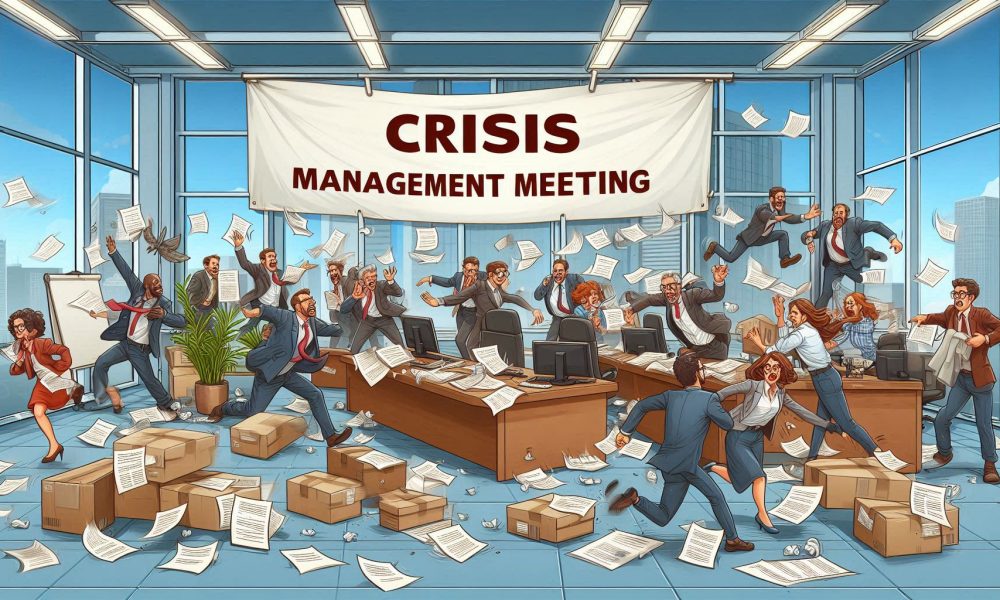
VANCOUVER, British Columbia, August 19, 2025 – Amicus International Consulting has released a new set of traveler remediation templates to help airlines salvage brand reputation after public relations mishaps tied to delays, cancellations, and operational disruptions. With flight delays becoming a flashpoint for passenger frustration and viral social media criticism, Amicus stresses that reputational recovery depends on transparent communication, immediate remediation, and standardized service guarantees.
Aviation Delays as a Reputation Crisis
Unlike many industries, aviation faces a unique vulnerability: disruptions are obvious, immediately impactful, and easily amplified by passengers posting live updates from terminals. A single storm or technical glitch can cascade across networks, stranding tens of thousands of travelers and creating a fertile environment for reputational collapse.
Passengers often judge airlines not by whether disruptions occur, but by how those disruptions are handled. While weather events are beyond an airline’s control, the provision of timely updates, food and lodging vouchers, rebooking assistance, and clear compensation policies is entirely within an airline’s discretion. The failure to deliver these consistently turns operational setbacks into public relations crises.
Amicus notes that recent years have seen a rise in aviation-related PR disasters triggered not only by delays but also by poorly handled passenger communications. Viral videos of travelers sleeping on airport floors, unclear customer service policies, or contradictory announcements from staff have fueled negative press. These incidents erode trust and invite regulatory scrutiny.
The Amicus Traveler Remediation Templates
To prevent reputational freefall, Amicus has developed a series of traveler remediation templates designed for rapid deployment during disruption events. These templates provide airlines with standardized, ready-to-use tools that ensure passengers receive consistent, fair, and transparent treatment.
Key elements of the templates include:
Automatic Compensation Protocols: Pre-set voucher issuance for delays beyond certain thresholds, reducing the need for passengers to argue at counters.
Transparent Queue Dashboards: Digital screens and app-based tools showing real-time rebooking orders and estimated wait times.
Multi-Language Communication Scripts: Standardized announcements in the dominant languages of departure and arrival airports.
Apology Frameworks: Pre-drafted statements emphasizing empathy, transparency, and responsibility without legal overreach.
Customer Service Playbooks: Step-by-step staff guides for handling high-stress interactions with stranded passengers.
The goal is to replace ad hoc, inconsistent communication with predictable, standardized responses that both reduce passenger frustration and demonstrate institutional Accountability.
Case Study: Airline Offers Automatic Vouchers and Transparent Queue Dashboards During a Weather Cascade
A mid-sized airline in North America faced a major reputational challenge after severe thunderstorms caused widespread cancellations during a holiday weekend. Tens of thousands of passengers were stranded, and social media posts showing long lines at gates quickly went viral.
Instead of relying solely on staff improvisation, the airline adopted the Amicus traveler remediation templates. Within hours of the disruption:
Automatic meal and lodging vouchers were issued digitally to all affected passengers.
An app-based queue dashboard displayed rebooking priorities, showing passengers where they stood in line and how long the estimated wait would be.
Announcements were delivered in English, Spanish, and French, ensuring inclusivity across a diverse passenger base.
Senior executives provided video updates explaining weather-related constraints while affirming responsibility for passenger care.
Within three days, independent surveys found that while passengers were inconvenienced, their trust in the airline remained largely intact. Media coverage highlighted not only the disruption but also the company’s proactive remediation, contrasting it with competitors who left passengers without clear assistance. Aviation trade media later cited the airline’s handling as a best practice in crisis response.
This case study demonstrates the core Amicus principle: disruptions are inevitable, but reputational damage is not. The decisive factor is whether an airline communicates transparently and delivers standardized remediation to affected travelers.
The First 72 Hours: Reputation Triage
Amicus emphasizes that the first 72 hours after a disruption determine whether an airline faces manageable reputational turbulence or a long-term credibility crisis. Key recommendations include:
Centralized Information Hubs: Passengers should not rely on rumors or contradictory staff statements. A single platform must provide real-time updates.
Visible Accountability: Leadership must appear publicly, not hide behind press releases. Video statements or live-streamed updates demonstrate ownership.
Empathy-Driven Messaging: Avoid corporate jargon. Speak directly to the frustrations of families, business travelers, and vulnerable passengers.
Interim Relief: Even if rebooking takes days, offering vouchers, lounge access, and accommodation reduces the sting of inconvenience.
Short-Term Recovery (First 90 Days)
Once the immediate crisis stabilizes, airlines must implement structured short-term measures:
Passenger Follow-Up: Surveys and apology emails sent within 72 hours of travel disruption.
Policy Transparency: Public disclosure of compensation thresholds and standardized procedures.
Regulatory Engagement: Cooperation with aviation authorities to demonstrate compliance and reduce the risk of fines.
Staff Debriefings: Reviewing performance and reinforcing templates to prevent inconsistent responses in future crises.
Long-Term Reputational Rebuilding
For airlines that endure major PR mishaps, recovery requires long-term commitment. Amicus recommends:
Publishing Annual Reliability Reports: Highlighting on-time performance, incident responses, and lessons learned.
Investing in Technology: Automated queue dashboards, real-time apps, and AI-driven rebooking assistance.
Creating Passenger Advisory Panels: Inviting frequent travelers and consumer advocates to review service standards.
Embedding Accountability Board Level: Ensuring reputational risk is a governance priority, not just a communications function.
Lessons From Past Aviation Crises: Amicus’s analysis of global aviation disruptions highlights common mistakes:
Conflicting announcements at gates and via apps.
Lack of clear compensation protocols, leaving passengers to negotiate individually.
Failure to provide multilingual support in international hubs.
Invisibility of leadership during crises.
By contrast, airlines that deployed standardized communication, automated compensation, and transparent updates were more likely to preserve passenger loyalty and avoid regulatory penalties.
Regulatory and Legal Dimensions
Amicus warns that mishandled aviation crises can attract not only reputational fallout but also regulatory enforcement. In the United States, the Department of Transportation rules mandate compensation under certain circumstances. In Europe, EC261 regulations require airlines to pay standardized sums for long delays and cancellations. Transparent remediation templates align with these legal obligations while reducing litigation risk.
Investor and Brand Implications
Airlines depend heavily on brand loyalty and repeat customers. Investor confidence also hinges on operational reliability. PR mishaps linked to delays can trigger not only passenger boycotts but also stock volatility and credit rating downgrades. Amicus stresses that demonstrating robust remediation systems is increasingly seen as a governance strength in ESG evaluations.
Technology as a Reputation Tool
Amicus highlights that technology can turn disruption into an opportunity to reinforce credibility. Queue dashboards, voucher automation, and app notifications show passengers that the airline has anticipated their needs. Conversely, technological silence creates frustration, forcing passengers to rely on social media rumors.
Internal Communication With Staff
Passengers often interact first with frontline staff. If these employees lack clear instructions, they improvise, leading to inconsistent and sometimes inflammatory messaging. Amicus advises daily staff briefings during disruptions, standardized scripts, and direct communication channels between headquarters and airport staff.
Turning Disruption Into Opportunity
Some airlines have successfully transformed reputational crises into long-term brand strengths. By investing in transparent remediation systems, they not only limit fallout but position themselves as customer-first airlines. Amicus notes that in today’s competitive aviation environment, handling a disruption well can create stronger loyalty than if the delay had never occurred.
Conclusion
Airlines cannot control weather events or all operational breakdowns, but they can control how they respond. Amicus International Consulting’s traveler remediation templates provide airlines with the tools to standardize passenger communications, automate compensation, and demonstrate accountability. The case study of an airline that offered automatic vouchers and transparent queue dashboards during a weather cascade proves that proactive engagement can salvage, and even strengthen, brand reputation.
Contact Information
Phone: +1 (604) 200-5402
Email: [email protected]
Website: www.amicusint.ca




