
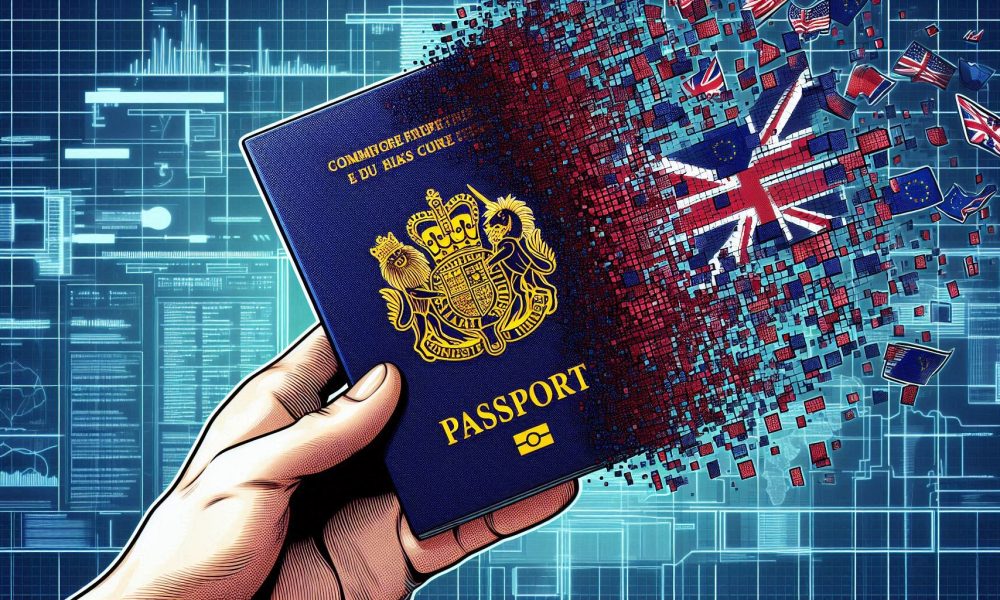
Vancouver, Canada — The Canada Border Services Agency (CBSA) has announced operational adjustments at several select ports of entry across the country, with the changes affecting certain rural and remote crossings more than major urban ports. The move is part of a broader strategic reallocation of resources to match fluctuating traffic volumes, streamline operations, and coordinate with U.S. Customs and Border Protection (CBP) counterparts.
While the CBSA assures that the vast majority of travelers will continue to see regular service at their preferred ports, these adjustments mark a shift in how Canada manages low-volume border crossings. For many who live in or travel through sparsely populated areas, the new service patterns could mean altered travel routes, increased reliance on alternate crossings, and heightened need for pre-trip planning.
Why CBSA Is Making These Changes, CBSA’s internal review of port operations revealed that some crossings handled fewer than 50 travelers per day during off-peak seasons, making continuous full-service staffing economically and logistically challenging. Infrastructure upgrades, staff training rotations, and integration of new biometric and data systems also required temporary service modifications.
CBSA officials have stated that the goal is not to reduce service permanently, but to align resources more closely with demand while preparing for the introduction of more automated clearance technologies in the next two years. The agency has also emphasized maintaining security standards and preventing smuggling, illegal migration, and cross-border crime even as staffing patterns change.
Service Adjustments by Category
Reduced Operating Hours — Several low-traffic ports will close earlier in the evening and open later in the morning, particularly outside of peak tourism months.
Seasonal Schedules — Some northern crossings will offer extended summer hours during tourism season, but reduce operations during winter when traffic drops significantly.
Appointment-Only Clearance — For specialized cargo, oversized vehicles, or livestock imports, travelers may now need to book clearance slots in advance.
Temporary Closures for Upgrades — In some instances, ports will close for several weeks to undergo construction or security technology installation.
Remote Traveler Categories Most Affected
Residents of Border Communities — Those living within 50 kilometers of the border often cross for groceries, medical appointments, or family visits.
Seasonal Workers — Individuals in agriculture, forestry, or construction who work across the border for fixed-term contracts.
Digital Nomads and Remote Workers — Professionals who choose to live in rural areas and cross for client meetings or project work.
Recreational Travelers — Those who fish, camp, or hunt in cross-border wilderness areas and depend on more minor crossings to avoid congested urban ports.
Case Study 1: A Supply Chain Adjustment in Manitoba
A small agricultural equipment distributor in rural Manitoba relied on a local crossing to receive weekly deliveries from a U.S. supplier. After the port reduced commercial service to three days per week, the company faced possible delivery delays. Working with a logistics consultant, they shifted to consolidating shipments twice a month and clearing them through a larger port with extended hours. This required coordination with the supplier’s freight forwarder but ultimately reduced per-unit shipping costs and aligned with CBSA’s available processing windows.
Case Study 2: Humanitarian Travel in Yukon
A Yukon-based volunteer group regularly crossed into Alaska to deliver supplies to remote Indigenous communities. When winter reduced port hours, they risked being stranded on the U.S. side overnight. By coordinating with CBSA and CBP to secure special crossing appointments for humanitarian purposes, they maintained their mission schedule without breaching border regulations.
Case Study 3: Recreational Traveler Adaptation
An Alberta couple who frequently crossed into Montana for weekend hiking trips learned that their preferred crossing would close at 6 p.m. instead of 9 p.m. To avoid being locked out of same-day return, they adjusted their departure times. They downloaded CBSA’s Border Wait Times app to identify alternative ports in case of unexpected traffic or inspection delays.
Jurisdictional Comparisons
United States — CBP has similarly reduced hours at some rural crossings, citing resource constraints. In some cases, CBP coordinates with CBSA so that corresponding Canadian ports match reduced hours to avoid unbalanced traffic flow.
European Union — At external Schengen borders, seasonal adjustments are standard, especially in tourist areas. Ports in Eastern Europe may close entirely during the winter months except for emergency or commercial use.
Australia/New Zealand — Remote ports in the Pacific islands often operate on a pre-clearance model, where travelers must declare and obtain approval before departure.
These comparisons show that Canada’s approach aligns with a global trend toward dynamic, demand-based staffing models at rural border points.
Technology as a Mitigation Tool
CBSA is expanding the use of ArriveCAN for pre-arrival declarations beyond its pandemic role. Features now allow travelers to submit information on goods, personal effects, and travel purposes, reducing processing time at the port. Appointment booking portals for certain crossings are also in development, enabling better coordination for time-sensitive travel.
In parallel, U.S.CBP’s ROAM app is being promoted for small boat and remote vehicle crossings, integrating with Canadian systems for certain shared waterways. However, both agencies caution travelers to maintain offline contingency plans in case of poor connectivity or technical issues in remote areas.
Traveler Preparation Checklists
For Personal Travelers:
Verify port hours at least 48 hours before travel.
Carry printed copies of essential documents in case of device failure.
Identify two alternate crossings within your region.
For Commercial Operators:
Coordinate clearance schedules with CBSA officers in advance.
Pre-file cargo documentation electronically.
Maintain a buffer in delivery timelines for unexpected delays.
For Humanitarian or Special Purpose Travel:
Secure written authorization from both CBSA and CBP for after-hours or special crossings.
Prepare clear manifests and itineraries to present upon inspection.
Economic and Community Impacts
In some towns, the local port of entry is more than a security checkpoint — it is a lifeline. Reduced hours can impact local economies dependent on cross-border tourism, seasonal labor, and small-scale trade. Restaurants, gas stations, and lodging businesses near rural ports often see direct declines in revenue when crossing patterns shift.
Municipal leaders have begun lobbying for infrastructure investments that would allow for hybrid staffing models — for example, keeping ports physically open with remote officer monitoring outside of core hours. This would require policy changes and new security protocols, but could preserve economic continuity.
Historical Context of CBSA Adjustments
Canada has a long history of adapting port operations based on shifting needs. During World War II, several small ports closed entirely due to resource constraints. In the 1970s, as road networks improved, some crossings were consolidated to handle increased vehicle traffic. The COVID-19 pandemic marked the most significant recent disruption, with numerous ports closing temporarily or reducing hours to prevent the spread of the virus. The current wave of adjustments is minor in scale but follows the same principle of matching service to demand.
Policy Outlook and Long-Term Trends
Looking ahead, CBSA has signaled interest in expanding “trusted traveler” programs like NEXUS to more rural crossings, allowing pre-vetted individuals to use automated kiosks and potentially bypass full staffed inspection during low-risk crossings. Biometric verification, license plate recognition, and AI-powered risk assessment tools may further reduce the need for full-time officers at every location.
However, privacy advocates warn that technology-driven solutions must maintain transparency and safeguards against misuse. As more data flows between CBSA, CBP, and other international partners, robust legal protections will be key to maintaining public trust.
Conclusion
For remote travelers and rural communities, CBSA’s service adjustments are a reminder that border operations are dynamic, influenced by economic, technological, and geopolitical factors. With proper planning, communication, and use of available digital tools, disruptions can be minimized — but those who fail to prepare risk significant inconvenience.
Amicus International Consulting continues to assist individuals and businesses in developing tailored contingency plans for cross-border mobility. From route mapping and documentation readiness to negotiating special clearance arrangements, our expertise helps clients remain compliant while preserving travel flexibility.
Contact Information
Phone: +1 (604) 200-5402
Email: [email protected]
Website: www.amicusint.ca




