
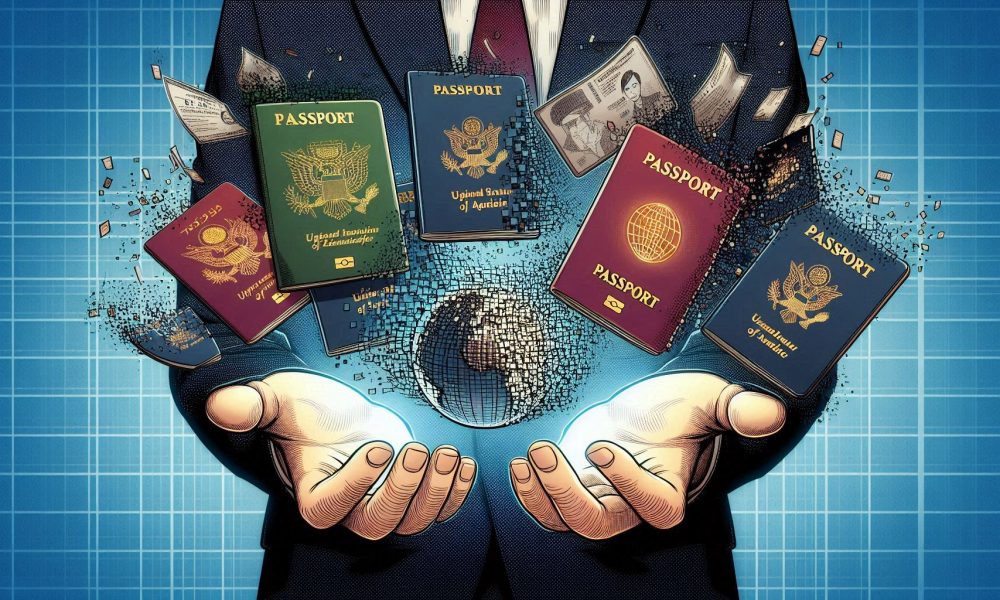
VANCOUVER, British Columbia — July 28, 2025 — As identity reshaping through offshore structures becomes more accessible, governments across the globe are paying closer attention. From second passports and alternate tax residencies to layered business incorporations, the rise of offshore identity ecosystems has sparked surveillance, compliance pressure, and sweeping regulation. Amicus International Consulting has been at the forefront of helping clients navigate this increasingly complex space, offering legal identity transformations that remain compliant while maintaining privacy and strategic distance from aggressive oversight.
What Is an Offshore Identity Ecosystem?
An offshore identity ecosystem refers to the total infrastructure that supports a person’s existence under an alternative legal persona in a new jurisdiction. This system often includes:
Second citizenship and passport through Investment
Legal name change in a privacy-centric country
Residency in a non-extradition or neutral jurisdiction
Offshore companies registered in tax-efficient havens
Foreign bank accounts, digital wallets, and trust structures
Private communications channels and online identity shielding
Together, these layers form a robust architecture that enables individuals to operate globally without being anchored to a single national identity or data set.
Why Governments Are Increasingly Concerned
Many governments see the rise of such ecosystems as a threat to their control over taxation, data, surveillance, and jurisdictional enforcement. Key government concerns include:
Loss of tax base: As more individuals exit high-tax jurisdictions and set up residency elsewhere, domestic tax revenue shrinks.
Legal evasion: While many offshore structures are legal, authorities worry about their misuse to avoid lawsuits or regulatory enforcement.
Counterterrorism and sanctions: Identity obfuscation is sometimes wrongly assumed to be a tool for criminals or sanctioned actors.
Data invisibility: Governments are frustrated by encrypted communications, anonymous LLCs, and blocked metadata trails.
In response, authorities are expanding cross-border initiatives such as CRS (Common Reporting Standard), FATCA (Foreign Account Tax Compliance Act), and biometric-based exit-entry tracking.
Case Study: Entrepreneur Triggering International Alarm Bells
In 2022, a Canadian entrepreneur built a privacy-first cryptocurrency platform. After a regulatory investigation targeted his Toronto operations, he legally exited Canada and rebuilt in Panama.
Acquired Panama Friendly Nations Visa
Registered a Belize holding company
Opened Swiss crypto-friendly banking accounts
Rebranded under a new legal name in Georgia
Within a year, five countries flagged his international transactions, assuming criminal evasion. However, all structures were found to be fully legal and declared through Amicus’s compliance support. The entrepreneur now operates in Southeast Asia under a clean identity and maintains audited status in three jurisdictions.
What Agencies Are Tracking Offshore Identity Use
Global scrutiny over offshore identities has become more coordinated. Agencies involved include:
OECD: Through its CRS initiative, it tracks global account holders
FATF (Financial Action Task Force): Issues blocklists of non-cooperative countries
Interpol: Cross-references Red Notices with identity documentation from flagged zones
FinCEN (U.S.): Monitors beneficial ownership of companies
EUROPOL: Tracks cross-border identity fraud and financial crime
These agencies are not only targeting illicit actors but are also beginning to question legitimate privacy-driven transformations, casting a broad net.
Amicus’s Position: Legal, Ethical, and Compliant Identity Solutions
Amicus works only within legal frameworks, helping clients:
Properly declare tax residencies
Comply with know-your-customer (KYC) and anti-money laundering (AML) laws
Ensure legal name changes are officially recognized
Register businesses with clear ownership structures
Avoid any blocked jurisdictions or flagged financial flows
By operating with precision and transparency, Amicus clients enjoy the privacy of offshore identity ecosystems without drawing attention from regulatory authorities.
Case Study: Author and Activist Facing Persecution
A Middle Eastern journalist known for whistleblowing on military corruption faced threats to her safety. Rather than remain exposed, she worked with Amicus to legally transform her life.
Received St. Kitts and Nevis citizenship through Investment
Changed name legally in Antigua and updated passport
Relocated to Portugal under a D7 visa
Operates under a new public brand with EU protections
Despite appearing on international watchlists, she now lives freely and lawfully within an offshore identity framework that shields her from reprisal.
Legal Identity Creation vs. Identity Fraud
Amicus emphasizes that identity creation is not synonymous with identity fraud. Legal identity change:
Is backed by government-issued documentation
Goes through court or official ministry channels
Aligns with international travel, banking, and immigration protocols
In contrast, identity fraud involves forged documents, impersonation, or false claims of nationality. Amicus assists only with verified, lawful methods, often working with legal teams and immigration authorities.
Emerging Trends Governments Are Watching Closely
Layered Residencies
Individuals are acquiring residencies in multiple countries to obscure their primary tax domicile.
Digital Nomad Exploitation
Use of remote work visas is not for tourism but for long-term tax neutrality.
Nominee Company Abuse
Owners are hiding behind legal proxies to avoid public disclosure
Crypto and Digital Assets
Movement of value through wallets registered in offshore trusts or corporate vehicles
Censorship Escape Routes
Journalists and influencers are building alternate legal identities to bypass social or governmental bans.
These trends, while legal, are under increasing scrutiny—making compliance and legal clarity more critical than ever.
Case Study: Silicon Valley Executive Builds Offshore Layers
A former CTO from a major tech firm left the U.S. after internal conflicts over facial recognition technology. Seeking a quieter life and new ventures, he engaged Amicus to construct a multi-layered identity.
Obtained Turkish citizenship and changed name via court order
Set up Estonian e-residency for digital enterprise launch
Created a holding company in Seychelles with nominee shareholders
Lives in Bali under a second identity, receives payments through Hong Kong fintech gateways
While U.S. agencies took note of his offshore moves, every step was legal and disclosed. He now develops open-source AI solutions with total autonomy.
Jurisdictions Governments Are Most Concerned About in 2025
Several countries are now under increased scrutiny due to their roles in enabling identity transformations:
Vanuatu: Once a fast-track passport haven, now under OECD pressure
Seychelles: Anonymous IBCs have triggered warnings from EU regulators
Nevis and Belize: Long seen as strongholds for asset shielding, facing CRS crackdown
Comoros: Alleged misuse of passports for shadow travel
Malta and Cyprus: Post-EU citizenship-by-investment program scandals still haunt them
Amicus carefully vets each jurisdiction for regulatory risk, ensuring clients do not fall into grey zones that could attract investigation.
Amicus’s Strategy for Low-Visibility Identity Architecture
Amicus employs the following methods to reduce unwanted attention:
Avoids jurisdictions flagged by the FATF or EU
Ensures all entities file basic annual compliance forms
Uses multi-jurisdiction layering to distribute visibility
Applies for new identity documents in countries with biometric safeguards
Coordinates declarations with legal tax advisors in the client’s origin countries
This approach enables clients to live fully and legally under new systems without raising regulatory concerns.
Case Study: Retired Diplomat Avoids Political Blowback
A diplomat retired after becoming entangled in an international espionage probe. Though never charged, his reputation was irreparably damaged. With Amicus:
Acquired a Dominica passport under a new name
Transferred real estate into a Panamanian foundation
Lives in Uruguay with full legal status and international health insurance
Registers his businesses in the UAE, away from Western oversight
Governments aware of his disappearance could not lawfully intervene. His new life is compliant and fully documented, thanks to precision planning.
Digital Oversight: New Technologies Being Deployed by Governments
States are now employing advanced tracking tools to trace identity transformations:
Biometric comparison across visa databases
AI-based travel pattern analysis to detect suspicious rerouting
Blockchain monitoring of crypto wallets tied to new passports
Deep packet inspection of VPN and encrypted communication traffic
Open-source intelligence (OSINT) to match facial data from photos to ID registries
For those escaping unfair scrutiny or surveillance, Amicus offers countermeasures:
Deepfake mitigation through image reengineering
Secure passports with biometric obfuscation
Device sanitization and compartmentalized communication protocols
Why Identity Creation Will Not Go Away
Even under scrutiny, the global demand for offshore identity ecosystems is accelerating. Key drivers include:
Censorship and cancel culture
Overlapping global tax regimes
Economic instability and banking seizures
Geopolitical unrest
Surveillance overreach and metadata logging
For entrepreneurs, professionals, and privacy seekers, a secondary identity is no longer a luxury—it is a lifeline.
What Clients Should Know Before Starting
Always work with legal advisors, not underground networks
Ensure your funds are clean and provable
Avoid sanctioned or high-risk jurisdictions
Be transparent with banking institutions, but only through legal intermediaries
Understand that citizenship, name changes, and bank accounts all require formal due diligence
Amicus’s Full Suite of Identity Ecosystem Services Includes:
Identity audits and risk analysis
Selection of compliant jurisdictions
Economic citizenship and passport application
Corporate structuring and nominee layering
Offshore banking, crypto custody, and multi-currency access
Residency relocation and visa optimization
Post-identity reputation and digital cleanup
Case Study: Artist Targets Total Reinvention After Cancellation
An American artist was blocked after political statements were taken out of context. Losing patrons and exhibition deals, she turned to Amicus.
Renamed legally in Georgia
Acquired Grenada citizenship
Registered an art studio in Mauritius under a new LLC
Operates NFT sales and physical exhibitions under an entirely different name
She now receives acclaim for her work with zero connection to her former identity—shielded, successful, and secure.
Governments May Be Watching—But So Is Amicus
While global agencies increase their visibility over offshore activities, Amicus continues to defend the rights of individuals to:
Control their data
Seek protection from political retaliation
Build anew after public or professional collapse
Operate privately in a world obsessed with exposure
With discretion, legality, and foresight, Amicus clients live beyond the reach of invasive regimes and regulatory harassment.
Contact Information
Phone: +1 (604) 200-5402
Email: [email protected]
Website: www.amicusint.ca




