
Introduction
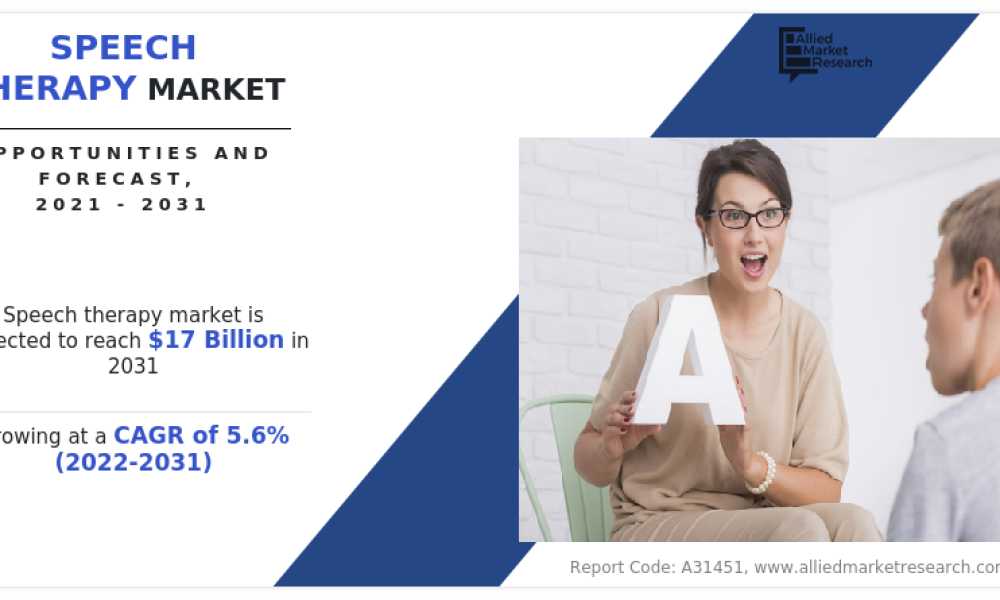
The global speech therapy market was valued at $9.9 billion in 2021 and is projected to reach $17 billion by 2031, growing at a CAGR of 5.6% from 2022 to 2031. Speech therapy plays a crucial role in treating speech disorders, language disorders, swallowing difficulties, and neurological conditions. With therapies such as articulation therapy, language intervention activities, and cognitive-communication rehabilitation, speech therapy helps individuals improve their communication abilities.
The increasing prevalence of speech and neurological disorders, along with government initiatives to improve healthcare infrastructure, is driving market growth. However, challenges such as high therapy costs and a shortage of speech-language pathologists (SLPs) may hinder expansion. The COVID-19 pandemic disrupted traditional therapy services but also accelerated the adoption of tele-therapy solutions, creating new opportunities in the market.
Key Market Drivers
1. Rising Prevalence of Speech and Neurological Disorders
The increasing incidence of speech disorders, autism, stroke, traumatic brain injuries (TBI), and neurodegenerative diseases (e.g., Parkinson’s and Alzheimer’s) is a major driver of the speech therapy market. According to the National Institute on Deafness and Other Communication Disorders (NIDCD), 7.7% of U.S. children (aged 3-17) experience speech or swallowing disorders.
Additionally, the aging population is more susceptible to neurological conditions, further boosting demand. The World Population Ageing Report (2020) predicts that South Korea’s elderly population (65+) will rise from 9.3% in 2019 to 19.7% by 2050, increasing the need for speech therapy services.
2. Government Initiatives and Healthcare Infrastructure Development
Governments worldwide are investing in special education programs and rehabilitation services for speech disorders. In the U.S., the Individuals with Disabilities Education Act (IDEA) mandates speech therapy services in schools, supporting market growth.
3. Technological Advancements and Tele-Therapy
The COVID-19 pandemic accelerated the adoption of online speech therapy platforms, ensuring continuity of care. Companies like Therapy Solutions, Inc. and Reliant Rehabilitation expanded their tele-therapy services, providing remote consultations and treatment plans.
Market Challenges
1. High Cost of Therapy and Limited Insurance Coverage
Speech therapy sessions can be expensive, and insurance coverage varies, limiting accessibility for many patients.
2. Shortage of Speech-Language Pathologists (SLPs)
The U.S. faces a shortage of SLPs, particularly in rural areas, impacting service availability. The American Speech-Language-Hearing Association (ASHA) reports a growing demand for SLPs, but workforce shortages remain a concern.
Market Segmentation
1. By Type
Speech Disorders (e.g., stuttering, apraxia)
Neurological Conditions (e.g., stroke, Parkinson’s)
Others (e.g., voice disorders, swallowing difficulties)
The neurological conditions segment dominated in 2021 due to the rising geriatric population and increasing stroke cases.
2. By Age Group
Pediatrics (largest market share in 2021, driven by developmental disorders)
Adults (fastest-growing segment due to stroke and brain injury cases)
3. By End User
Hospitals (leading segment due to specialized rehabilitation services)
Clinics & Rehabilitation Centers
Schools & Tele-Therapy Providers
4. By Region
North America (largest market share, advanced healthcare infrastructure)
Europe (strong government support for speech therapy)
Asia-Pacific (fastest-growing region, increasing healthcare investments)
LAMEA (gradual growth due to improving awareness)
Competitive Landscape
Key players in the speech therapy market include:
BenchMark Physical Therapy Institute
Humanus Corporation
LifePoint Health (Kindred Healthcare)
Reliant Rehabilitation
Orient Speech Therapy Limited
These companies are expanding services through mergers, acquisitions, and tele-therapy innovations.
Future Outlook (2022-2031)
The speech therapy market is set to grow due to:
✔ Rising neurological and speech disorder cases
✔ Expansion of tele-therapy services
✔ Government funding for rehabilitation programs
✔ Technological advancements in AI-driven speech therapy toolsConclusion
The speech therapy market is poised for significant growth, driven by increasing disorder prevalence, government support, and digital health solutions. While challenges like cost and workforce shortages persist, tele-therapy and AI-based interventions offer promising opportunities. With North America leading and Asia-Pacific emerging as a high-growth region, the future of speech therapy looks dynamic and transformative.




