
In the 2024 presidential election, a central promise resonated with millions of Americans: the establishment of the Department of Government Efficiency (DOGE). Spearheaded by President Donald Trump and tech entrepreneur Elon Musk, DOGE was envisioned as a bold initiative to streamline federal operations, eliminate wasteful spending, and reduce the bloated bureaucracy that has long plagued Washington. Voters rallied behind this vision, electing leadership committed to a leaner, more efficient government.
The Genesis of DOGE: A Response to Bureaucratic Overreach
The federal government’s inefficiencies have been a longstanding concern. Reports of redundant programs, excessive administrative costs, and unchecked spending have eroded public trust. In response, the Trump administration proposed DOGE, aiming to cut up to $1 trillion from the federal budget by targeting waste and promoting efficiency. Elon Musk, appointed to lead this initiative, emphasized the urgency of addressing the “bloated” administrative state, suggesting that certain agencies might be “deleted outright” to achieve these goals.
Congressional Interference: Subverting the People’s Will
Despite the clear electoral mandate, recent developments have threatened to dilute DOGE’s effectiveness. Congress, comprising many long-standing members who have presided over the very inefficiencies DOGE seeks to eliminate, has moved to assert oversight over DOGE’s actions. This shift allows legislators—some of whom have contributed to the accumulation of wasteful spending—to have a final say on efficiency measures.
This scenario is akin to granting individuals who created a problem the authority to veto its solution. It undermines the very essence of the electoral mandate, allowing entrenched interests to overrule the decisive call for reform voiced by the electorate.
A Parallel to Judicial Overreach: The USAID Analogy
To illustrate the absurdity of this situation, consider a hypothetical scenario where a judge dictates how American taxpayers’ money is allocated abroad through USAID, bypassing the established legislative and executive processes. Such an overreach would be deemed unacceptable, yet Congress’s move to oversee DOGE mirrors this intrusion, sidelining the executive branch’s prerogative to implement the reforms endorsed by voters.
The Cost of Inaction: Facts and Figures
The stakes of hindering DOGE’s mission are substantial. The federal budget has been burdened by inefficiencies, with estimates suggesting that eliminating redundancies and optimizing operations could save taxpayers hundreds of billions annually. Without decisive action, these inefficiencies continue to divert resources away from critical areas such as infrastructure, education, and national defense.
Tesla Under Attack: The Broader Assault on Efficiency and Innovation
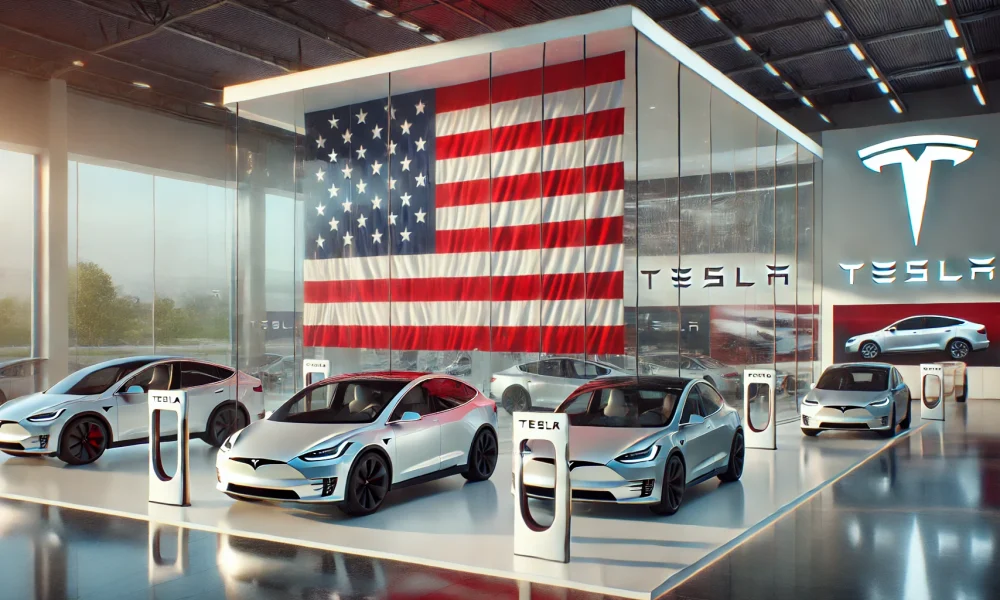
As if to send a clear message against those challenging the status quo, Tesla—founded by DOGE’s leading figure, Elon Musk—has come under assault by domestic terrorists who have been vandalizing its outlets across the United States. This is not random crime; it is targeted economic sabotage against one of the most successful American innovators. Just as Musk seeks to eliminate inefficiencies in government, his private sector contributions are being met with orchestrated violence and destruction. While the media remains largely silent, this campaign against Tesla represents a broader war against those who disrupt entrenched power structures.
Conclusion: Upholding the Democratic Mandate
The establishment of DOGE was not merely a policy proposal; it was a cornerstone of the platform that voters endorsed in the 2024 election. Allowing Congress to micromanage or obstruct DOGE’s initiatives not only contravenes the expressed will of the people but also perpetuates the inefficiencies that the electorate has unequivocally rejected. To honor the democratic process and restore faith in our institutions, it is imperative that DOGE operates with the autonomy necessary to fulfill its mandate of creating a leaner, more efficient federal government.
Meanwhile, the attacks on Tesla serve as a warning to those who dare challenge the bureaucracy: innovation and reform will be punished. The question now is whether Americans will stand by and allow this, or if they will demand that their vote—and their future—be respected. Meanwhile, investors are asking whether this is a once in a lifetime buying opportunity to get on board with Tesla, or not?




