

Why Choose Yokogawa Pressure Transmitters?
Yokogawa Electric Corporation has built a formidable reputation since 1915, becoming synonymous with precision and reliability in industrial instrumentation. Their pressure transmitters represent the culmination of decades of engineering excellence, delivering measurement accuracy that often exceeds ±0.065% of span with long-term stability that minimizes drift over years of continuous operation. These instruments feature robust construction designed to withstand extreme temperatures ranging from -40°C to 85°C, corrosive environments, and high vibration conditions that would compromise lesser equipment.
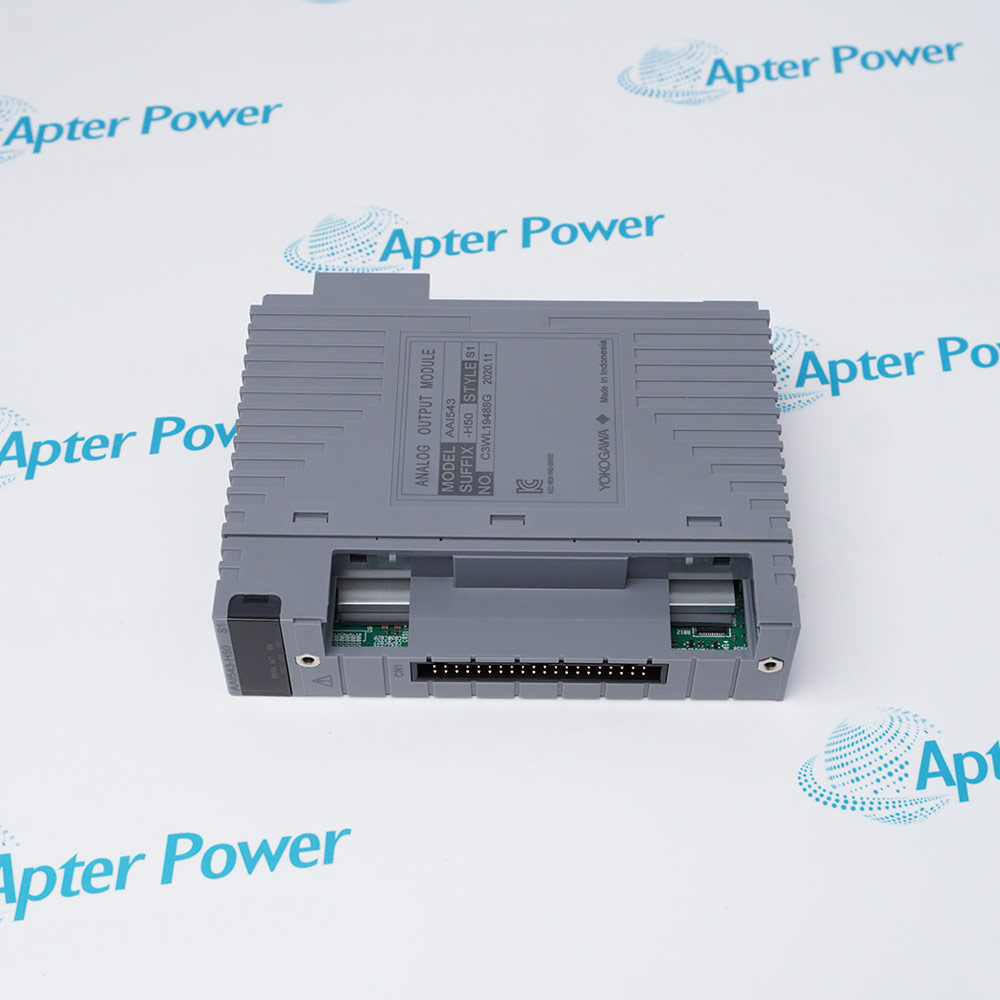 What sets Yokogawa apart from competitors like Rosemount or Endress+Hauser is their integrated approach to process control. Their DPharp sensor technology uses a single-crystal silicon resonator that provides exceptional accuracy while reducing maintenance requirements. The transmitters offer superior electromagnetic interference resistance and advanced diagnostics that predict potential failures before they occur, allowing proactive maintenance scheduling. While brands like Honeywell focus on broader automation portfolios and Siemens emphasizes system integration, Yokogawa concentrates specifically on measurement precision and process optimization.
Industries requiring uncompromising accuracy particularly value Yokogawa solutions. Oil and gas refineries depend on their transmitters for custody transfer measurements where financial implications are substantial. Chemical processing plants utilize them in reactor pressure monitoring where safety margins are critical. Pharmaceutical manufacturers trust Yokogawa for batch processes requiring validated, traceable measurements. Power generation facilities, pulp and paper mills, and water treatment plants consistently choose Yokogawa when process reliability directly impacts operational efficiency and regulatory compliance.
Common Challenges in Sourcing Yokogawa Spare Parts
Maintenance teams face significant obstacles when sourcing Yokogawa pressure transmitter components, particularly when dealing with systems installed decades ago. Obsolete control system parts present the most persistent challenge, as Yokogawa discontinues product lines to focus on newer technologies. A transmitter model from the 1990s or early 2000s may require sensor modules, circuit boards, or display units no longer in active production. When critical components fail, technicians scramble to find replacements, often discovering that standard distribution channels cannot fulfill orders.
The counterfeit parts problem has grown alongside the demand for hard-to-find components. Unscrupulous suppliers capitalize on urgency by offering suspiciously inexpensive alternatives that lack proper certifications and quality controls. These substandard parts may initially function but frequently fail prematurely, potentially causing measurement errors that compromise process safety or product quality. Distinguishing genuine Yokogawa components from convincing imitations requires expertise many purchasing departments lack.
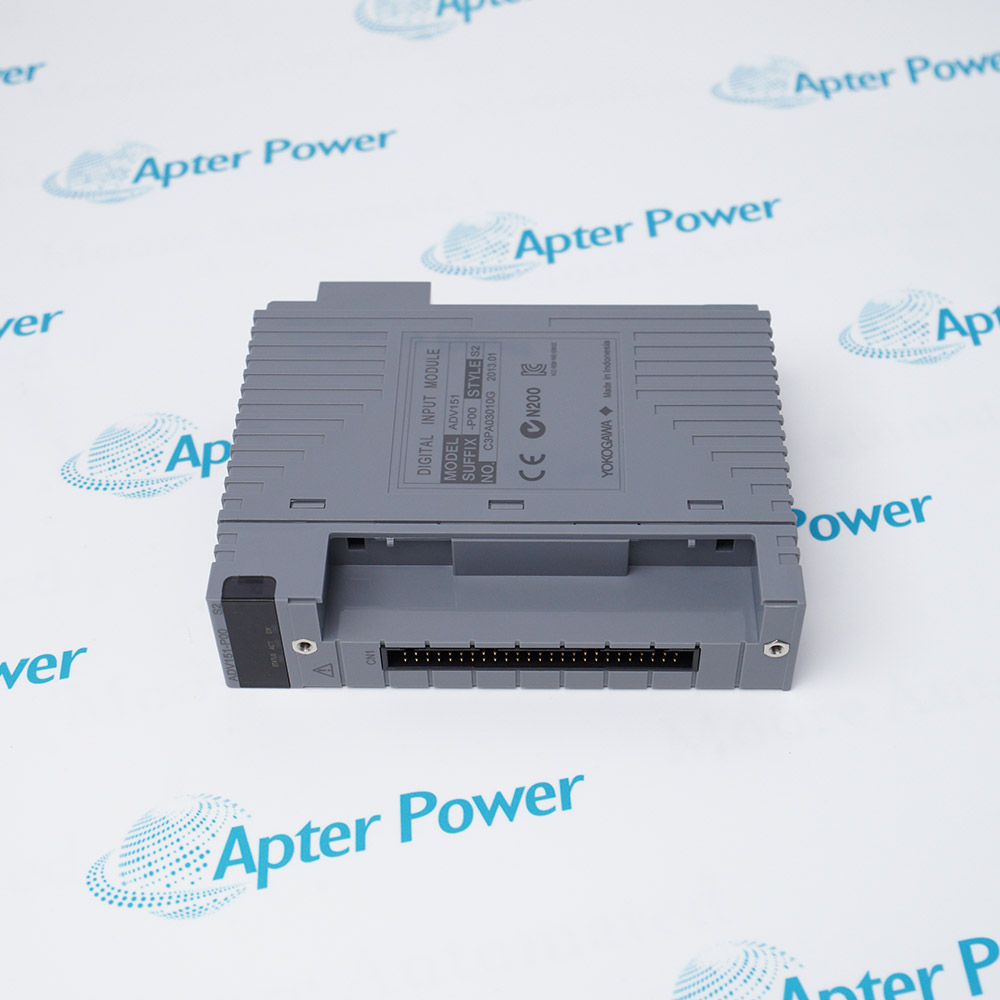 Lead times compound the urgency of equipment failures. Even when authorized distributors stock genuine parts, procurement processes can stretch weeks or months, particularly for specialized sensors or electronics requiring factory configuration. Production facilities cannot afford extended downtime while waiting for components to arrive through conventional channels. Compatibility verification adds another layer of complexity, as firmware versions, communication protocols, and mounting configurations must align perfectly with existing installations to ensure seamless integration and continued system reliability.
Reliable Solutions for Yokogawa Spare Parts
Authorized Distributors and Certified Suppliers
Working with authorized Yokogawa distributors provides the strongest guarantee of receiving genuine components that meet original equipment specifications. These certified channels maintain direct relationships with Yokogawa, ensuring traceability from factory to installation. Authorized suppliers offer manufacturer-backed warranties, typically covering defects for 12-24 months, and provide technical support for installation and configuration challenges. Their inventory systems connect to Yokogawa’s production schedules, giving accurate availability information and realistic delivery timelines.
Verifying supplier credentials requires checking Yokogawa’s official distributor directory on their corporate website, which lists approved partners by region and specialization. Request certificates of authenticity with each purchase, including serial number verification that can be cross-referenced with Yokogawa’s database. Examine packaging for holographic labels, proper branding, and documentation quality. Legitimate suppliers readily provide test certificates, material traceability reports, and compliance documentation for regulated industries. When quality assurance is paramount, particularly in safety-critical applications or environments requiring regulatory validation, the premium paid for authorized channels delivers measurable value through reduced failure rates and comprehensive support infrastructure.
Surplus Control System Parts Market
The surplus parts market offers substantial cost advantages, with components often available at 40-60% below new pricing while maintaining full functionality. These parts typically originate from facility upgrades, overstock situations, or decommissioned plants where equipment was removed before reaching end-of-life. For budget-conscious operations managing older systems, surplus components provide economically viable alternatives that extend equipment lifespan without capital investment in complete system replacements.
Quality evaluation begins with requesting detailed condition reports, including storage history, age verification through date codes, and any refurbishment performed. Reputable surplus vendors test components before listing, providing calibration certificates and functional verification data. Examine seller ratings, industry tenure, and return policies that demonstrate confidence in product quality. Specialized industrial surplus platforms maintain rigorous vendor qualification processes and offer escrow services protecting buyers until components are verified. Request photographs of actual items rather than stock images, and inquire about testing capabilities the vendor maintains. Established surplus dealers understand compatibility requirements and can cross-reference part numbers against your specific transmitter models, reducing procurement risks while delivering significant savings on components that remain perfectly serviceable for years of continued operation.
Obsolete Parts Solutions
Specialized obsolete parts vendors fill critical gaps when manufacturers discontinue support, maintaining inventories of legacy components through strategic purchasing from decommissioned facilities and surplus channels. These suppliers develop expertise in specific product lines, understanding cross-compatibility and providing technical guidance for integration challenges. They often stock components unavailable through any other channel, serving as lifelines for facilities operating mature systems where complete replacement remains economically unfeasible. Industrial automation suppliers like Apter Power have built expertise in sourcing hard-to-find components for legacy control systems, helping maintenance teams locate discontinued parts that keep older equipment operational.
Refurbishment services breathe new life into failed components through systematic processes that replace worn elements, update firmware where possible, and restore units to functional specifications. Qualified refurbishers perform comprehensive testing matching original factory protocols, providing warranties comparable to new equipment. This approach proves particularly valuable for expensive sensor assemblies and electronic modules where core functionality remains intact despite individual component failures. Cross-reference resources help identify compatible alternatives when exact replacements prove impossible to source. Technical databases map obsolete part numbers to current equivalents or functionally identical components from different product generations. Some vendors offer engineering services that adapt newer transmitter modules to legacy mounting configurations and wiring schemes, enabling selective upgrades without complete system overhauls while maintaining operational continuity.
Maintenance Tips for Yokogawa Pressure Transmitters
Establishing a systematic inspection schedule prevents unexpected failures and maintains measurement accuracy throughout the transmitter’s service life. Conduct visual examinations monthly, checking for physical damage, corrosion on housings and terminals, and moisture accumulation in junction boxes. Inspect impulse lines quarterly for blockages, leaks, or crystallization that compromises pressure transmission. Verify electrical connections remain tight and free from oxidation, as resistance increases cause signal degradation. Monitor process fluid compatibility with wetted materials, particularly in applications where chemical composition varies, as incompatible fluids accelerate sensor degradation.
Recognizing failure indicators enables proactive intervention before complete breakdowns occur. Erratic output signals, measurement drift beyond calibration specifications, and intermittent communication errors typically signal sensor membrane damage or electronic component degradation. Unresponsive displays or configuration interfaces often indicate power supply issues or failed circuit boards. Unusual temperature increases in transmitter housings suggest internal short circuits requiring immediate attention. Advanced diagnostic features built into Yokogawa transmitters provide early warnings through status alerts that identify specific fault conditions, allowing targeted troubleshooting rather than wholesale component replacement.
Calibration maintains measurement integrity, with verification intervals determined by process criticality and regulatory requirements. Most applications benefit from annual calibration checks using certified reference standards traceable to national metrology institutes. Document baseline performance during initial installation, establishing reference points for detecting gradual drift patterns. Perform calibrations in controlled environments matching operating conditions when possible, as temperature variations affect accuracy. Zero and span adjustments should follow Yokogawa’s prescribed procedures exactly, using proper test equipment that exceeds transmitter accuracy specifications. Maintaining detailed calibration records supports regulatory compliance while revealing degradation trends that inform replacement timing decisions, ultimately extending equipment lifespan through informed maintenance strategies rather than reactive repairs.
Ensuring Long-Term Performance and Reliability
Yokogawa pressure transmitters deliver unmatched precision and reliability in demanding industrial environments, yet sourcing genuine spare parts remains a persistent challenge for maintenance teams managing both current and legacy systems. Obsolete components, counterfeit risks, and extended lead times threaten operational continuity when critical equipment requires repair. This article has presented practical solutions spanning authorized distributors for warranty-backed genuine parts, surplus markets offering cost-effective alternatives, and specialized obsolete parts vendors who maintain inventories of discontinued components. Each sourcing channel serves distinct needs, from safety-critical applications requiring full certification to budget-conscious operations extending legacy system lifespans. Quality verification remains paramount regardless of procurement source—insist on documentation, test certificates, and traceable provenance to protect against substandard components that compromise measurement accuracy and system safety. Implementing systematic maintenance practices including regular inspections, proactive calibration, and diagnostic monitoring maximizes transmitter longevity while minimizing emergency repairs. By combining strategic parts sourcing with disciplined preventive maintenance, facilities preserve the exceptional performance Yokogawa instruments deliver, ensuring process control systems operate at peak efficiency for years beyond initial installation while avoiding costly downtime that impacts production schedules and profitability.




