
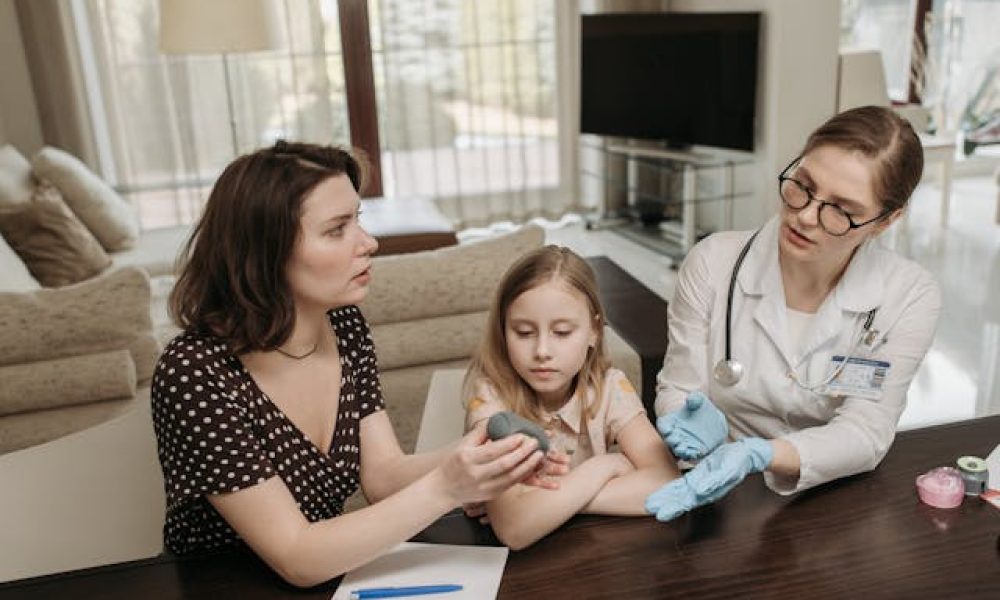
The concept of care is evolving. More than ever, individuals and families are seeking approaches that go beyond generic support, favoring care that acknowledges personal histories, preferences, and needs. Personalized care is not just a trend; it is a transformative approach that places the individual at the heart of every decision.
What Personalized Care Means
Personalized care is about tailoring support to fit each person as a unique individual. It goes beyond standard routines and protocols, focusing on understanding personal habits, medical history, lifestyle preferences, and emotional needs. By doing so, caregivers can offer more than just assistance; they provide comfort, dignity, and a sense of belonging.
For instance, while two residents in a care home may have similar medical conditions, their daily routines, dietary preferences, and social interests may differ dramatically. Personalized care acknowledges these differences and adjusts the support accordingly, ensuring that each person’s experience feels relevant and meaningful.
Benefits of a Personalized Approach
The advantages of personalized care are both emotional and practical. Emotionally, individuals feel seen and valued, which can greatly enhance mental well-being. Feeling understood and respected can reduce stress, anxiety, and feelings of isolation, fostering a sense of community and self-worth.
Practically, personalized care improves health outcomes. Care plans that reflect the unique needs of each individual can prevent complications, manage chronic conditions more effectively, and promote recovery. When care is tailored, caregivers are better equipped to notice subtle changes in health, behavior, or mood, enabling early intervention when necessary.
Building Stronger Relationships
A cornerstone of personalized care is the relationship between the caregiver and the individual. Taking time to understand a person’s story, preferences, and aspirations builds trust and mutual respect. These connections make everyday interactions more meaningful, whether it’s sharing a favorite activity, remembering special dates, or simply offering reassurance during difficult moments.
Strong relationships also benefit families. Loved ones can feel confident that their family member is not only safe but genuinely cared for in a way that honors their individuality. This reassurance often reduces stress and provides peace of mind, knowing that the person they care about is thriving in an environment that understands them.
Personalization in Practice
Residential and care facilities are increasingly embracing personalized care. Staff are trained to assess individual needs carefully, develop tailored care plans, and adapt these plans as circumstances change. Activities, meals, and therapies are designed to match preferences, promoting engagement and a higher quality of life.
For example, a resident with a passion for gardening might have more opportunities to spend time outdoors tending plants. At the same time, someone who enjoys music could participate in regular music sessions that bring joy and stimulation. Even small adjustments, like preferred meal times or bedroom arrangements, contribute to a sense of autonomy and respect.
Finding the Right Environment
Choosing the right setting for personalized care is crucial. A residential care home serving Bath, for instance, can offer a supportive environment that balances comfort, safety, and individualized attention. Such facilities prioritize knowing each resident as a person, not just a patient, and adapt their services accordingly. The combination of compassionate staff, tailored activities, and responsive care plans ensures that residents enjoy a fulfilling and dignified life.
The Lasting Impact
The power of personalized care lies in its long-term effects. Residents not only experience improved health and well-being but also gain a renewed sense of identity and purpose. By recognizing each person’s individuality, personalized care transforms daily routines into meaningful experiences, promoting happiness, engagement, and overall life satisfaction.
In summary, personalized care is more than a method; it is a philosophy that values the uniqueness of every individual. It nurtures emotional, physical, and social well-being while building strong connections between residents, caregivers, and families. Choosing a residential care environment that prioritizes this approach ensures that care is not only effective but genuinely enriching for everyone involved.