
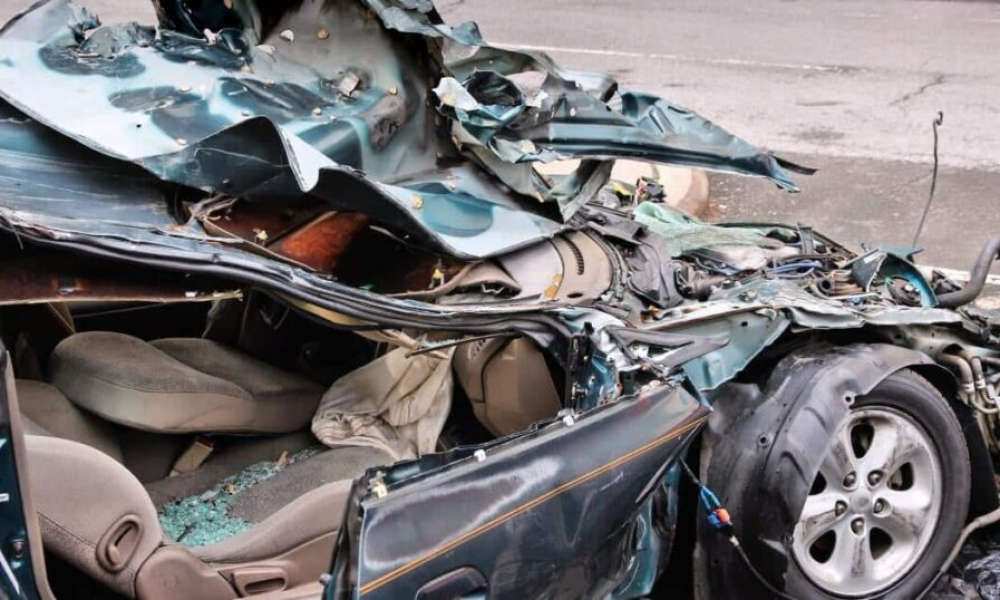
Trading a wrecked car without insurance feels like a dead end to most drivers — and that assumption keeps people sitting on damaged vehicles far longer than necessary while they try to figure out a path forward that doesn’t exist the way they’re imagining it. The reality is that trading a wrecked vehicle without full coverage insurance is not only possible but often the fastest and most financially sensible option available, and understanding how it actually works removes the paralysis that most uninsured accident victims experience in the days and weeks after a crash.
Why the Assumption Gets Made
The mental model most drivers carry into a post-accident situation goes something like this: insurance pays for the car, and without insurance paying, there’s nothing to work with. That framing makes sense if the only option being considered is a traditional insurance settlement — where the insurer assesses the vehicle, determines a value, and cuts a check. Without full coverage, that process simply doesn’t apply to the driver’s own vehicle.
What that framing misses is that the vehicle itself still has value — specifically, its pre-accident value — and that value can be applied toward a replacement vehicle regardless of whether an insurance company is involved. Trading a wrecked car without insurance works because the trade credit is based on what the vehicle was worth before the accident, not on what it’s worth in its current damaged state and not on whether an insurer is writing a check.
How Pre-Accident Value Gets Used
The foundation of the wrecked car trade in process is the pre-wreck valuation. Using standard vehicle valuation methods — comparable sales data, mileage, trim level, market conditions for the specific make and model — the vehicle is valued as if the accident hadn’t occurred. That figure becomes the trade credit applied toward a replacement vehicle.
This is what makes the trade path so much more favorable than the alternatives drivers without insurance typically consider. Selling a wrecked vehicle privately means accepting offers that reflect the damaged condition — typically a fraction of what the vehicle was worth before the accident. Selling to a junkyard or salvage buyer means accepting the scrap or parts value, which is even lower. Trading on pre-accident value sidesteps both of those outcomes entirely.
Why Repair Rarely Makes Financial Sense
The instinct after an accident is to get a repair estimate and evaluate whether fixing the vehicle is feasible. For many wrecked vehicles, particularly those in the mid-range of the market, that estimate comes back at a number that approaches or exceeds the vehicle’s actual value — which means spending thousands of dollars to restore a car to roughly the same market value it had before the accident, now with a repair history attached that affects future resale.
There’s also the time cost. Body shop wait times for parts and labor have extended significantly, and the ongoing inconvenience of being without a vehicle during the repair process adds to the total cost in ways the shop estimate doesn’t capture. Drivers who go down the repair path often find that the real cost of that decision — financial and logistical — was higher than the initial estimate suggested.
Starting the Process in Virginia
For Virginia drivers the process of exploring a trade my car in Virginia option starts with basic information about the vehicle — year, make, model, mileage, trim — and a description of the accident damage. From there an assessment gets scheduled, the pre-accident value gets established, and the trade credit gets applied toward replacement vehicle options.
The Roanoke wrecked car trade in process works on the same timeline regardless of insurance status. Most drivers who decide to move forward with a trade complete the entire process — inspection, valuation, vehicle selection, and driving away in a replacement — significantly faster than the repair path would have resolved the same situation. For drivers sitting on a wrecked vehicle that isn’t being driven, every week of delay represents continued depreciation on a vehicle that isn’t providing any transportation value in return.
What Happens to the Wrecked Vehicle
Once the trade is complete the wrecked vehicle is no longer the driver’s responsibility. The facility manages the damaged vehicle from that point — whether that means repairing and reselling, parting out, or moving it to a salvage buyer. That transition eliminates the separate problem of how to dispose of a vehicle that may not be drivable and that a private buyer would lowball aggressively once they see the actual damage.
For drivers who’ve been staring at a wrecked car in the driveway trying to piece together a plan, that resolution alone is worth something beyond the financial picture.




