
A vinyl windows and doors residential upgrade that addresses both elements of the building envelope produces better results than treating windows and doors as separate projects handled independently at different times — and the reason is simpler than most homeowners expect. Windows and doors are part of the same thermal system. When one gets upgraded and the other doesn’t, the updated component performs well while the unchanged one continues undermining the efficiency of the entire envelope. Understanding that relationship before a project begins is what separates a complete upgrade from a partial one that delivers less than its full potential.
Why Windows Alone Aren’t the Complete Answer
Modern vinyl replacement windows with quality glass packages make a real and measurable difference to a home’s thermal performance. Better insulation values through the glass, tighter frame seals, and the elimination of the drafts that deteriorating older windows develop all contribute to reduced heating and cooling loads and more consistent interior temperatures. That improvement is genuine — but it’s also partial if the doors in the home haven’t been addressed.
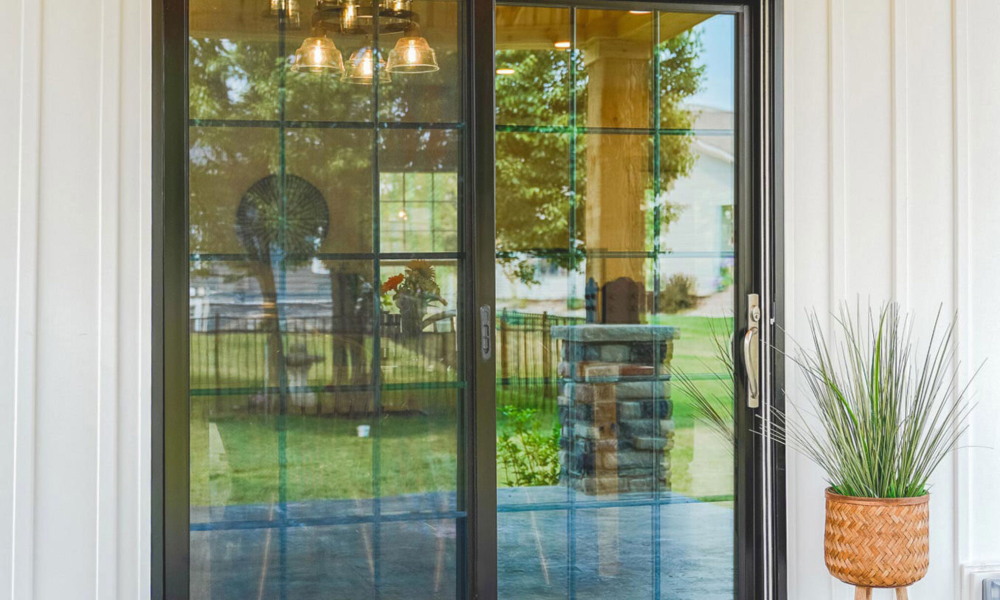
Older sliding patio doors are typically the largest glass surface in a home after the windows themselves, and they’re often among the least efficient elements in the building envelope. Weatherstripping that’s compressed past its effective life, glass packages from a decade or more ago, and frames that have expanded and contracted through years of seasonal temperature changes until they no longer seal as they once did — all of these mean the patio door is working against the performance gains the new windows are delivering.
A homeowner who invests in energy efficient vinyl windows and leaves an aging patio door in place is leaving a meaningful portion of their efficiency gains on the table, paying for envelope performance the system can’t actually deliver as long as the door is still losing energy.
Patio Doors as Part of the Same Project
Replacing a patio door at the same time as the windows creates visual and performance consistency throughout the home. Frames, hardware finishes, and glass appearance match across every opening rather than having clearly different product generations visible side by side — updated windows flanking a door that obviously predates them. Patio doors with modern Low-E coatings and gas fill deliver the same performance characteristics as quality replacement windows, meaning the entire back wall of a room performs at the same level.
The practical case for simultaneous replacement goes beyond aesthetics and energy performance. Installation coordination is simpler when windows and doors are handled together — trim work, exterior finish, and the area around each opening gets done once rather than twice. When a door replacement follows a window project by a year or two, finish work that was completed around the windows often needs to be revisited to accommodate the door installation, adding cost and disruption that a coordinated project would have avoided.
Entry Doors and Storm Door Considerations
Entry doors develop their own air sealing issues as they age, even when the door itself looks structurally sound. Weatherstripping around the perimeter compresses and loses its seal over time. Bottom sweeps wear through. Threshold gaps develop. A door that passes a visual inspection can be responsible for significant conditioned air loss that shows up in heating and cooling costs without announcing its source clearly.
Storm doors add a second layer of protection at entry points — creating an airlock effect that reduces heat exchange every time the primary door opens and closes, and protecting the primary door from direct weather exposure that degrades finish and seals over time. For homes where entry doors see heavy use, particularly in climates with meaningful seasonal temperature variation, a quality storm door at the main entry delivers a clear return that compounds over the life of the installation.
The Single Dealer Advantage
Sourcing both windows and doors through the same manufacturer and dealer simplifies the post-installation relationship in ways that matter over the long term. Products from different manufacturers installed by different contractors at different times create a fragmented warranty and service picture where any issue requires first establishing which product and which company are responsible before anything can move forward.
A coordinated vinyl windows and doors residential upgrade through a single dealer who handles both vinyl replacement windows and matching door products creates a clean installation record and a single point of contact for anything that needs attention afterward. That simplification has real practical value for homeowners who don’t want to manage separate manufacturer relationships for different openings throughout the home.
Planning the Right Sequence
For homeowners who genuinely can’t replace windows and doors simultaneously, planning the sequence intentionally from the beginning matters. Windows first is the more common approach given the larger surface area and investment. But communicating to the installer at the outset that door upgrades are planned — even if not until the following season — allows them to account for that in how they handle trim and finish work at the areas where windows and doors are adjacent.
The where to buy resource connects homeowners with dealers equipped to handle both products and coordinate a phased project from the beginning, which is where that sequencing conversation needs to happen.




