
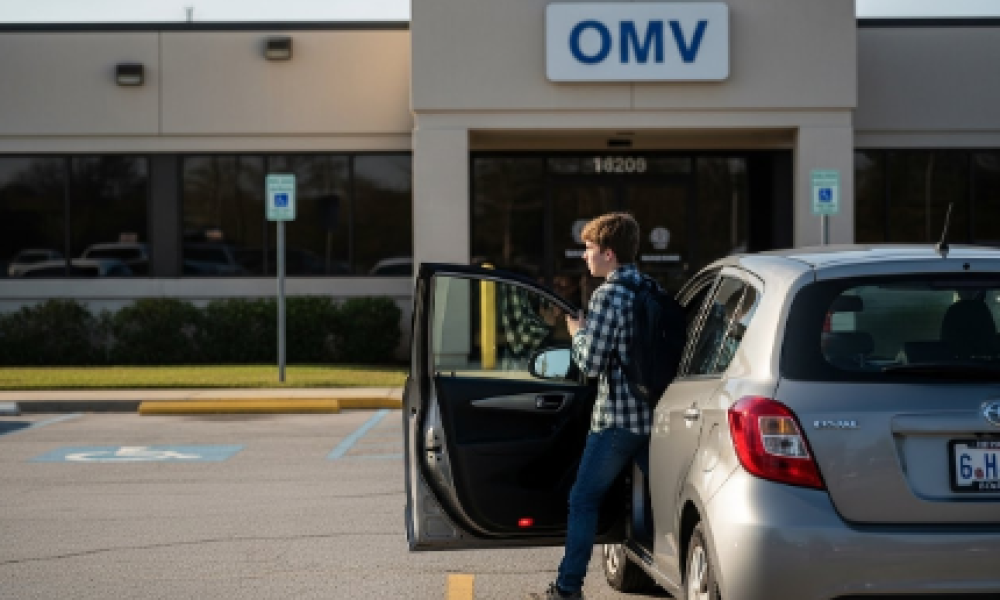
Across Louisiana, third-party driver testing centers have become a key part of the state’s licensing landscape, offering benefits like increased accessibility and reduced wait times. Once viewed primarily as a scheduling convenience, these centers now influence how new drivers prepare for the Road Skills Test and how families understand licensing requirements set by the Louisiana Office of Motor Vehicles. This shift reflects broader national trends in driver evaluation as educators and policymakers work to clarify expectations, reduce testing bottlenecks, and improve safety outcomes for novice drivers.
A comprehensive resource published by Magnolia Driving Academy earlier this year offers a detailed breakdown of examiner scoring categories and has contributed to a clearer public understanding of what third-party centers evaluate. The guide links these evaluation practices to national safety data, helping families see testing as part of a larger driver development process rather than an isolated appointment.
Why Third-Party Testing Has Become More Prominent
Louisiana is one of several states that allow approved third-party examiners to administer official Road Skills Tests. The model has expanded steadily as demand for licensing increased and families sought scheduling flexibility beyond state-operated testing facilities. According to data from the Federal Highway Administration , many states have adopted hybrid licensing systems in response to population growth and increased driver training participation. Louisiana’s adoption of the third party model reflects these national patterns while addressing regional needs for accessibility.
Examiners at private centers emphasize that they follow the same scoring criteria used at OMV offices. The consistency requirement is critical because it ensures that all licensed drivers are evaluated by a common standard. This alignment reduces confusion among families and reinforces the message that the Road Skills Test is designed as a safety assessment rather than a procedural formality.
How Third Party Centers Influence Driver Preparation
Driving instructors across the state say that the availability of third-party testing has encouraged more structured preparation among their students. This predictability helps families and instructors feel more confident that drivers are well-prepared and capable of passing the test.
Research from the Insurance Institute for Highway Safety shows that structured practice improves novice driver outcomes by strengthening hazard recognition and decision making. Louisiana instructors say that when students know their test date in advance, they show greater adherence to deliberate practice routines involving lane discipline, turning accuracy, scanning techniques, and speed control.
Warm-Up Sessions and Route Familiarization
Warm-up sessions offered by many Louisiana driving schools are closely linked to third-party testing appointments. These short evaluations allow students to refine skills immediately before their test and reduce the common anxiety associated with unfamiliar routes or examiner expectations.
Instructors report that students who participate in warm-up sessions typically improve in three key areas. They demonstrate more consistent mirror and blind spot scanning, better lane centering during turns and straight segments, and smoother braking when approaching stop signs or intersections. These improvements align with behavioral patterns identified in human factors studies by the National Highway Traffic Safety Administration, which highlight that better recognition and decision-making reduce early-stage crash risk.
Variations in Testing Environments Across Louisiana
While scoring standards remain the same, the road environments used by third-party examiners can vary considerably. Urban testing routes may involve multilane traffic, frequent signalized intersections, and increased pedestrian activity. Rural or suburban routes may include higher speed segments, wider turning radii, and fewer controlled intersections. Examiners say these differences do not change how scoring is applied, but they can influence which skills students rely on more heavily during the test.
Louisiana instructors often encourage broad practice across multiple environments to help students feel more confident and prepared for diverse driving situations, reinforcing safety goals. Studies summarized by the NHTSA Crash Statistics Portal highlight that adaptability as key skills for long-term safety.
Documentation and Administrative Readiness
Third-party examiners repeatedly point to documentation issues as a persistent challenge for new drivers. Missing permits, incomplete driver education certificates, or vehicles that fail safety checks can delay or prevent a scheduled test. Louisiana’s OMV requirements are consistent across the state, yet examiners say families often underestimate the importance of administrative readiness. These delays create additional stress and extend the timeline for licensure.
Driving schools increasingly emphasize documentation as part of the driver responsibility framework. By framing preparation holistically, instructors help students understand that paperwork, vehicle readiness, and behavioral skills all contribute to becoming a safe and responsible driver.
The Long-TermImpact on Louisiana’s Driver Education System
The growth of third-party testing has expanded access to the licensing process while encouraging more transparent communication among instructors, examiners, and families. As more guides, checklists, and training resources circulate, Louisiana’s driver education ecosystem is becoming more transparent and more aligned with national safety research.
For new drivers, third-party testing offers scheduling flexibility and an environment where structured preparation pays off. For the broader driving community, it contributes to a system that emphasizes consistency, safety, and long-term readiness behind the wheel. With continued integration of national research and localized training practices, Louisiana’s approach to licensing may serve as a model for states seeking to balance accessibility with rigorous evaluation standards.




