
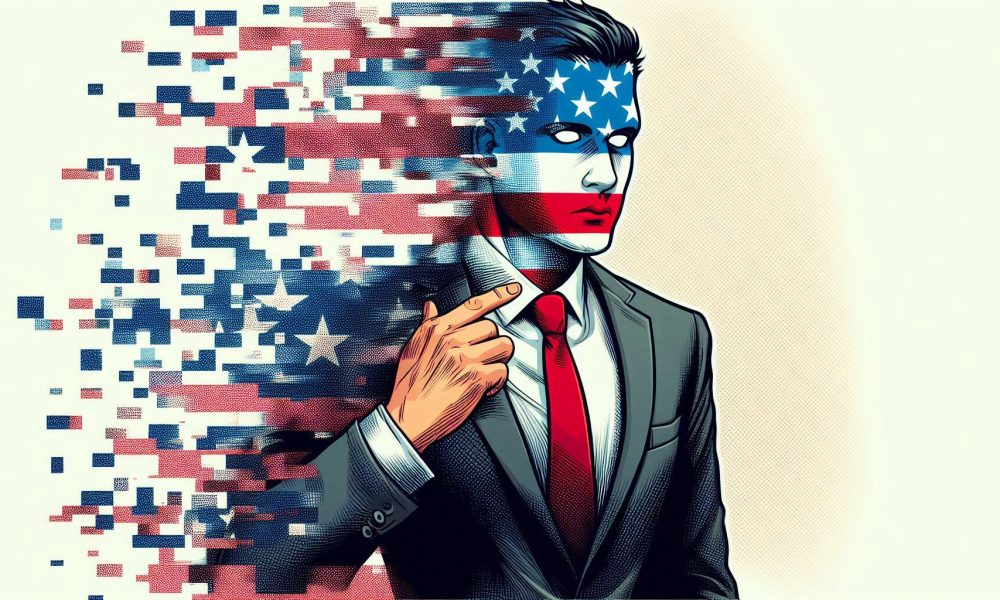
Inside the Global Marketplaces for Synthetic Passports, Digital Personas, and Disappearing Acts
VANCOUVER, British Columbia — Beneath the surface of the visible internet lies an untraceable underworld where the rules of modern life no longer apply. On the dark web, entire identities—complete with biometric data, official-looking documents, and activity histories—are bought and sold like commodities. In 2025, these black markets will not merely be trafficking in stolen data; they will also be involved in the sale of stolen data. They are manufacturing new lives for those willing to pay the price.
These underground bazaars have evolved beyond the phishing scams and credit card fraud of the early 2000s. Today, they are comprehensive identity superstores, offering packages that include fake passports, driver’s licenses, deepfake-ready photos, social media starter kits, fake utility bills, and even synthetic fingerprints.
For fugitives, fraudsters, whistleblowers, and people escaping state persecution, the dark web is no longer just a hiding place—it’s a global supply chain for second chances.
What the Market Looks Like in 2025
With increased demand for anonymity and global identity enforcement tightening, dark web vendors have shifted from selling individual pieces of personal information to offering bundled life kits. These offerings now include:
Forged passports from 50+ nations (realistic and scannable)
Synthetic biometric data for spoofing facial and fingerprint scans
Pre-aged social media profiles
Bank and crypto exchange verifications
Darknet “reputation managers” to sanitize or enhance fake personas
Dark web customer service desks, offering updates and replacements
Prices range from $500 for basic ID cards to over $15,000 for full synthetic citizenship bundles, depending on the target country and risk profile.
Case Study: Disappearing into a New Life in Southeast Asia
In 2022, a mid-level financial consultant from Germany facing indictment for embezzlement vanished without a trace. Within months, he resurfaced—unofficially—under a new name, a St. Kitts and Nevis passport (likely forged), and with a LinkedIn profile dating back six years.
Interpol later discovered that he had purchased a full identity package from a dark web vendor, complete with a travel-ready document set, digital ID backups on encrypted drives, and a biometric mask engineered to defeat airport facial recognition.
He remains at large, reportedly residing in Malaysia. His case underscores the professionalization of identity replication.
The Most In-Demand Nationalities
Certain passports are more sought-after than others due to their visa-free travel benefits and ease of integration into financial systems. The most commonly replicated or forged passports on the dark web include:
Canada
France
Netherlands
United Arab Emirates
Panama
Vanuatu
St. Kitts and Nevis
These documents are often produced using real serial numbers extracted from diplomatic leaks or data breaches, increasing their ability to pass cursory verification scans.
How These Identities Are Built
Vendors do more than forge documents—they engineer entire ecosystems:
Social Engineering Kits provide template resumes, fake employer references, and voice scripts.
AI-generated facial images ensure every ID has a unique look that won’t trigger reverse-image searches.
Utility Proofs help establish residency.
Shell Corporations are offered as a cover for business purposes.
Digital Footprint Fabrication builds credibility across forums, comment sections, and job boards.
Once activated, these packages give users the tools to exist, apply for jobs, rent homes, and conduct business—at least until they’re discovered.
Case Study: Journalist Escapes Authoritarian Crackdown
A journalist from an Eastern European country facing arrest for reporting on state corruption used dark web services to vanish in 2021. She adopted a new persona with a complete digital trail, synthetic EU residency, and false press credentials.
Her goal wasn’t to commit fraud—it was to continue her work without being hunted. Though her passport was a high-quality forgery, she used it to access humanitarian channels. Eventually, she obtained absolute legal protection through Amicus International Consulting, which replaced her synthetic documents with legitimate ones.
Her case demonstrates that not all users of the dark web are criminals. Some are simply desperate for survival.
The Role of Cryptocurrencies
Cryptocurrencies have become the lifeblood of dark web identity sales. Transactions are typically conducted using:
Monero (XMR) for its strong privacy protocols
Bitcoin (BTC) via coin mixers to anonymize transactions
Privacy tokens like Zcash and Dash
These currencies allow vendors and buyers to operate anonymously, with vendors offering escrow-based systems and refund guarantees.
Some identity superstores now offer subscription plans, providing monthly document renewals, access to AI voiceprint tools, and real-time customer support through encrypted apps.
Are These Identities Real?
Not always. Many dark web identities fall into one of the following categories:
Forged — Fake documents mimicking real countries
Stolen — Real identities used without the person’s knowledge
Synthetic — Invented identities with fabricated data and activity
Recycled — Identities of the deceased or dormant records repurposed
Blended — Part real, part fake, and difficult to distinguish
Their legitimacy often depends on the quality of production, the jurisdiction, and how they’re used. In poorly regulated areas or conflict zones, even substandard IDs can pass.
What the Law Says
The production, sale, or use of forged documents is illegal worldwide. However, prosecution is difficult when identities are used in low-risk environments or for non-criminal activity.
Governments are deploying advanced techniques to detect forged identities:
Behavioral biometrics
Passive network analysis
Device fingerprinting
Image analysis and AI reverse lookup
Inter-agency intelligence sharing
But the dark web evolves faster than regulation, creating an enforcement gap.
Amicus International Consulting: The Legal Alternative
While the dark web offers anonymity through deception, Amicus International Consulting provides lawful, secure, and permanent solutions for those who need to reinvent or protect their identity.
Services include:
Second citizenship via investment or ancestral rights
Legal name and gender changes
Extradition risk analysis and relocation planning
Privacy-driven immigration services
Reputation repair and digital footprint sanitization
All services are compliant with international law, designed for individuals facing political persecution, surveillance threats, or extreme digital exposure.
Why People Risk the Dark Web
Despite the risks, people continue to purchase identities online because:
Legal pathways can take years
Bureaucratic systems are often inaccessible or compromised
Emergencies demand immediate action
Governments may be part of the threat
There is a lack of trust in international institutions
For many, a dark web identity is not about criminal enterprise—it’s about buying time until an absolute legal path becomes available.
Trends for 2026: What Comes Next
As law enforcement agencies catch up, vendors are innovating to meet the evolving needs of the industry. Upcoming trends include:
AI voice clones for border phone interviews
Decentralized identity chains for self-sovereign identity
Embedded chip forgeries in smart passports
Reputation farming services to simulate years of history
Synthetic baby identities for long-term planning
The digital arms race between law and mimicry is just beginning.
Final Thoughts: Identity as a Commodity
In 2025, identity is no longer sacred—it is a tradable asset. For the vulnerable, desperate, or targeted, buying a new life is easier than ever if one knows where to look.
But the dark web’s solutions are fragile, temporary, and illegal. Amicus International Consulting believes that absolute safety requires real identity change—lawful, secure, and permanent.
As identity becomes more surveilled, biometric, and borderless, the choice is no longer whether to protect it, but how to do so.
Contact Information
Phone: +1 (604) 200-5402
Email: [email protected]
Website: www.amicusint.ca




