
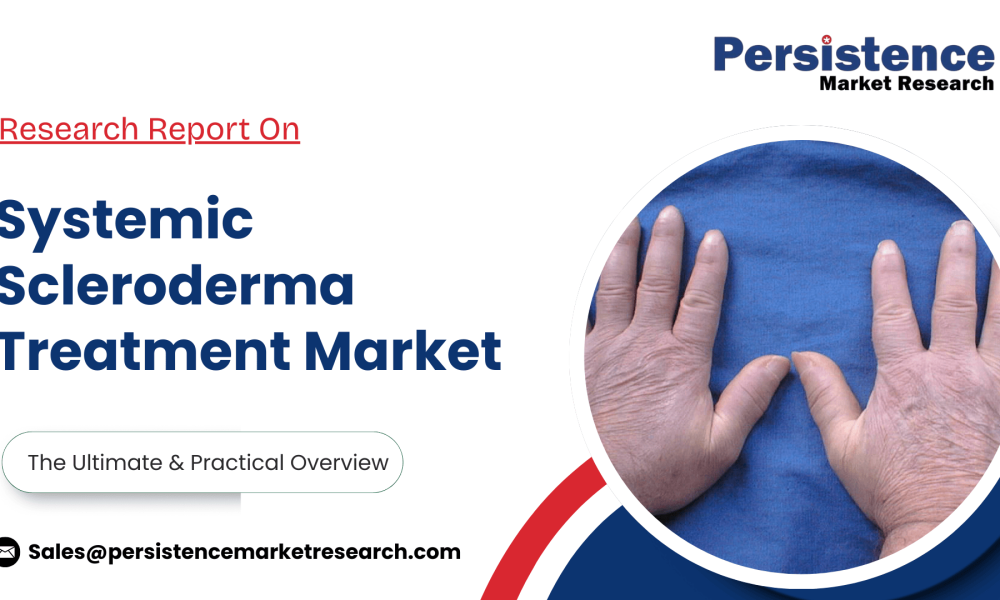
The global systemic scleroderma treatment market is set to expand significantly over the coming decade, driven by rising disease prevalence, growing awareness, and the development of advanced therapeutics. According to the latest industry projections, the market is anticipated to increase from US$ 1342.7 million in 2025 to US$ 1986.2 million by 2032, representing a robust compound annual growth rate (CAGR) of 8.4% during the forecast period of 2025–2032. Systemic scleroderma, also known as systemic sclerosis, is a rare autoimmune disease characterized by fibrosis of the skin and internal organs. Current treatment approaches primarily focus on alleviating symptoms, improving quality of life, and slowing disease progression. The growing demand for targeted therapies, biologics, and advanced immunosuppressants is expected to redefine the competitive landscape of this market.
Historical Trends and Forecast Outlook:
Between 2019 and 2023, the systemic scleroderma treatment market experienced moderate growth, largely due to incremental adoption of immunosuppressants, corticosteroids, and calcium channel blockers across North America and Europe. However, limited treatment options and the high cost of advanced therapies restrained widespread adoption in emerging regions. The post-2025 outlook suggests a more dynamic trajectory, fueled by increased R&D investments, clinical trials for novel biologics, and improved access to specialty care in Asia-Pacific and Latin America. By 2032, experts anticipate systemic scleroderma treatments to become more personalized, with the integration of genetic profiling and precision medicine enhancing patient outcomes.
Market Dynamics:
Key Growth Drivers
Rising Prevalence of Autoimmune Diseases: The global incidence of autoimmune conditions has been on the rise, directly contributing to higher demand for systemic scleroderma treatments.
Advancements in Immunotherapy and Biologics: Pharmaceutical giants are channeling resources into biologics, TNF inhibitors, and endothelin receptor antagonists, offering more effective management strategies.
Improved Diagnostic Capabilities: Advances in imaging technologies and biomarker identification have enhanced early detection rates, prompting earlier interventions.
Supportive Regulatory Environment: Expedited approvals and orphan drug designations from agencies like the FDA and EMA are creating opportunities for new entrants.
Get a Sample Copy of Research Report (Use Corporate Mail id for Quick Response): https://www.persistencemarketresearch.com/samples/33054
Market Challenges
High Treatment Costs: Advanced drugs and stem cell transplantation remain prohibitively expensive, limiting adoption in resource-constrained settings.
Limited Awareness in Emerging Economies: Despite progress, many patients in developing regions remain undiagnosed or untreated due to lack of awareness.
Adverse Side Effects of Immunosuppressants: Long-term use of corticosteroids and immunosuppressive therapies is associated with significant side effects, which can deter patient compliance.
Complexity of Disease Pathology: The heterogeneity of systemic scleroderma complicates treatment development, making a one-size-fits-all solution impractical.
Segmentation Analysis:
By Target Organ:
The market is segmented based on affected organs, reflecting the multi-systemic nature of systemic scleroderma.
Skin Fibrosis remains the most commonly treated manifestation, with significant demand for topical and injectable therapies.
Musculoskeletal involvement drives adoption of anti-inflammatory and immunosuppressive agents.
Pulmonary Arterial Hypertension (PAH) and pulmonary fibrosis are among the fastest-growing segments due to high morbidity and mortality associated with lung complications.
Digital ulcers and gastrointestinal involvement also contribute significantly, necessitating both oral and local treatments.
Scleroderma renal crisis, though less frequent, demands intensive therapeutic interventions, including ACE inhibitors and advanced biologics.
By Treatment Type:
Drug therapy continues to dominate the systemic scleroderma treatment market.
Corticosteroids and immunosuppressants are widely prescribed for their ability to reduce inflammation and immune system overactivity.
Nonsteroidal anti-inflammatory drugs (NSAIDs) play a crucial role in pain and musculoskeletal symptom management.
Calcium channel blockers and proton pump inhibitors are standard for vascular and gastrointestinal symptoms, respectively.
TNF inhibitors, endothelin receptor antagonists, and PDE-5 inhibitors represent newer classes of drugs that have gained traction due to their targeted mechanisms.
Angiotensin-converting enzyme inhibitors (ACE inhibitors) remain the gold standard for renal crisis management.
Hematopoietic stem cell transplantation (HSCT), although limited in application due to high costs and risks, is emerging as a potential curative therapy for severe cases.
By Route of Administration:
Injectables account for a significant share, particularly in the case of biologics and advanced immunotherapies.
Oral medications remain highly preferred for long-term management due to patient convenience.
Topical therapies are primarily used for localized skin manifestations, offering a supportive role in the treatment ecosystem.
By Distribution Channel:
Hospital pharmacies dominate the distribution landscape, especially for complex biologics and injectables.
Specialty clinics are becoming important points of care, particularly in developed markets.
Retail pharmacies continue to serve as major distribution channels for oral and topical medications.
Online pharmacies are rapidly gaining prominence, driven by rising digital adoption and convenience of home delivery.
By Region:
North America leads the market, backed by advanced healthcare infrastructure, robust R&D investments, and strong presence of global pharmaceutical giants.
Europe follows closely, with supportive regulatory policies and rising adoption of novel biologics.
East Asia, particularly China and Japan, is witnessing rapid growth due to increasing healthcare expenditure and government initiatives.
South Asia & Oceania show promising opportunities as awareness about autoimmune diseases grows.
Latin America and the Middle East & Africa are emerging markets, although challenges like affordability and limited specialty care remain barriers.
Competitive Landscape:
The systemic scleroderma treatment market is highly competitive, with multinational pharmaceutical companies playing a central role. Leading players include Pfizer Inc., Novartis AG, GlaxoSmithKline plc, Sanofi SA, Lupin Ltd, Cipla Ltd, Teva Pharmaceuticals, Johnson & Johnson Services Inc., Bayer Healthcare LLC, and F. Hoffmann-La Roche Ltd. These companies are actively pursuing strategies such as mergers and acquisitions, collaborations with research institutes, and investments in clinical trials to expand their market presence. Roche and Novartis are particularly active in the biologics segment, while Pfizer and Sanofi are focusing on developing targeted immunotherapies. Generic manufacturers like Cipla and Lupin are contributing by making essential drugs more affordable in emerging regions.
Strategic Growth Initiatives:
Key players are investing in several growth initiatives, including:
Clinical Research and Pipeline Expansion: Companies are conducting late-stage trials for TNF inhibitors and endothelin receptor antagonists.
Partnerships and Collaborations: Strategic alliances with research institutes are enabling faster drug development.
Geographic Expansion: Focus on emerging markets through partnerships with local distributors and online platforms.
Patient Assistance Programs: Initiatives to improve affordability and adherence are gaining importance, especially in middle-income countries.
Future Outlook:
The systemic scleroderma treatment market is poised for sustained expansion over the next decade. Key developments such as the introduction of precision medicine, greater reliance on biologics, and integration of telemedicine platforms are expected to transform patient care. By 2032, systemic scleroderma management may shift toward a more holistic model that combines drug therapy with lifestyle interventions and digital health solutions. Additionally, with growing global investment in rare disease research, systemic scleroderma is likely to receive heightened attention from both public health organizations and private investors.
Conclusion:
The global systemic scleroderma treatment market is entering a period of accelerated growth, supported by advancements in therapeutic innovation, increasing awareness, and favorable regulatory environments. While challenges such as high costs and limited access remain, ongoing efforts by pharmaceutical companies and healthcare providers are expected to drive broader adoption of effective treatments worldwide. With a projected CAGR of 8.4% between 2025 and 2032, the market is set to play a critical role in addressing the unmet needs of patients suffering from this debilitating condition.




