
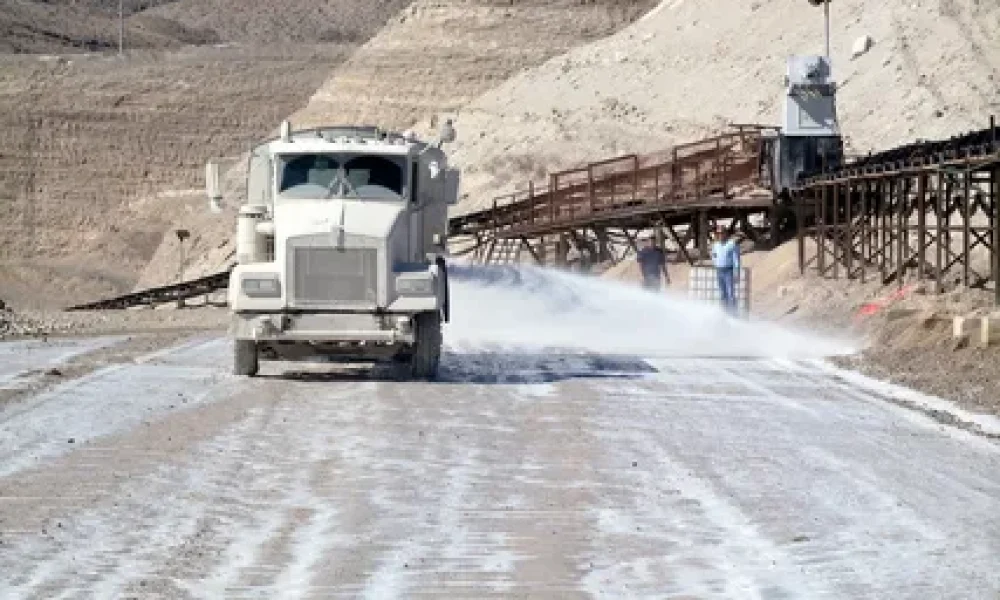
The global Dust Suppressant Market is on a strong growth path, projected to expand from USD 1.9 billion in 2025 to USD 3.2 billion by 2035, at a CAGR of 5.6%. The market’s momentum reflects the growing urgency around air quality management, workplace safety, and environmental protection, particularly in industries such as mining, construction, and manufacturing.
Dust suppressants—chemicals and solutions designed to reduce airborne dust—are becoming indispensable in modern industrial operations. As regulators tighten emission standards and communities demand cleaner environments, companies are increasingly turning to sustainable and innovative dust control methods.
Why the Market is Growing
At the heart of this expansion lies a simple reality: dust is no longer seen as a nuisance but as a critical environmental and health hazard. Prolonged exposure to dust is linked to respiratory issues and workplace accidents, while unchecked emissions can contaminate soil, water, and nearby communities.
Global industrialization and urbanization have amplified these concerns. Rising mining activity, infrastructure development, and road construction projects have fueled dust levels, making effective suppression technologies a necessity rather than an option. Innovations in polymer emulsions and eco-friendly formulations are meeting these demands, offering longer-lasting and more sustainable dust control solutions.
Full Market Report available for delivery. For purchase or customization, please request here:
https://www.futuremarketinsights.com/reports/sample/rep-gb-7725
Moreover, operators are seeking solutions that reduce downtime, improve efficiency, and comply with strict environmental regulations. This has created fertile ground for both established chemical manufacturers and emerging players who are introducing greener, more adaptable dust suppressants.
Market Segmentation Insights
Wet Type Dust Suppressants: The Leading Category
In 2025, Wet Type Dust Suppressants are expected to dominate with 57.6% market share. Their effectiveness in immediately binding dust particles in high-traffic zones such as roads, mines, and construction sites makes them indispensable.
These solutions are increasingly paired with automated spraying systems, which improve coverage and reduce water consumption. Compatibility with additives that enhance adhesion and prolong suppression has only strengthened their market position. With industries under pressure to balance performance and sustainability, wet-type solutions will remain central to dust control strategies.
Mining Industry: The Largest End-Use Segment
Mining is projected to account for 42.7% of market revenue in 2025, cementing its role as the largest end-use sector. From open-pit haul roads to underground tunnels, mining operations generate vast amounts of dust that compromise worker safety and surrounding ecosystems.
Governments worldwide have enacted strict regulations mandating dust control, pushing mining operators to invest in efficient dust suppressants. Advances in polymer-based formulations are proving especially effective, offering longer-term suppression and reduced equipment wear. With global mining activity expanding and sustainability becoming a priority, this segment will continue to anchor market growth.
Polymer Emulsions: Rising as the Most Preferred Type
By type, Polymer Emulsions are set to dominate with 48.9% market share in 2025. These advanced suppressants form durable layers over soil and dust-prone surfaces, providing long-term protection in industrial and construction environments.
Their ability to reduce water usage, combined with ease of application and eco-friendly profiles, makes them increasingly attractive. As industries adopt biodegradable and low-toxicity solutions, polymer emulsions are expected to lead innovation in dust suppression technology.
Regional Outlook
The global dust suppressant market shows varied momentum across regions:
Asia-Pacific is the fastest-growing region, led by China (CAGR 7.5%) and India (CAGR 7.0%). Rapid industrialization, mining activity, and large-scale construction projects are driving demand.
North America remains a major market, with the USA expected to grow from USD 674 million in 2025 to USD 1.1 billion by 2035, supported by infrastructure upgrades and strong regulatory enforcement.
Europe continues steady growth, with Germany (CAGR 6.4%) at the forefront due to robust construction and metal industries.
Latin America, led by Brazil, shows slower but positive growth, reflecting ongoing infrastructure expansion.
The Middle East & Africa are set for healthy growth, supported by rapid urbanization and large-scale construction investments.
Get the Report Brochure Now:
https://www.futuremarketinsights.com/reports/brochure/rep-gb-7725
Competitive Landscape: Established Leaders and Emerging Innovators
The dust suppressant market is defined by a balance of multinational giants and specialized regional players. Each is racing to expand portfolios, embrace sustainability, and leverage technology for competitive advantage.
Archer Daniels Midland Company and Cargill Incorporated are leading the charge in bio-based solutions, developing dust suppressants derived from agricultural byproducts. Their focus aligns with the global push for sustainability and reduced chemical footprints.
DowDuPont Inc. and Huntsman International LLC continue to innovate in polymer chemistry, offering suppressants with enhanced durability and eco-credentials.
Benetech Inc. and GelTech Solutions are focusing on industrial clients with tailored suppression solutions that meet stringent safety standards.
Borregaard LignoTech specializes in lignin-based solutions, tapping into natural, biodegradable alternatives that resonate with environmentally conscious industries.
Chemtex Speciality Limited and Hexion Inc. are leveraging advanced material science to design custom suppressants for high-demand sectors like mining and construction.
At the same time, emerging manufacturers across Asia-Pacific and Latin America are entering the field, often with a focus on cost-effective and localized solutions. Many are partnering with global players to integrate advanced technologies into domestic operations, signaling a more interconnected and competitive future for the industry.
Challenges and Opportunities
While growth prospects are bright, the industry faces challenges such as high labor intensity in application processes, fluctuating raw material costs, and limited awareness in developing regions. However, these challenges are counterbalanced by opportunities in:
Biodegradable formulations, which align with global sustainability agendas.
Automation and smart spraying systems, reducing labor costs and enhancing efficiency.
Cross-industry adoption, particularly in chemicals, pharmaceuticals, and industrial materials.
Manufacturers that successfully navigate these shifts while embracing green innovation and digital integration are expected to thrive in the coming decade.
Future Outlook
The dust suppressant market is no longer just about controlling dust—it’s about protecting people, preserving the environment, and ensuring efficient industrial operations. With industrial activity and urbanization showing no signs of slowing, the demand for sustainable dust management solutions will only intensify.
Looking ahead, polymer emulsions, eco-friendly wet suppressants, and automation-driven technologies will define the next wave of growth. Established leaders and new entrants alike are embracing this transition, creating a more dynamic and responsible industry.



