
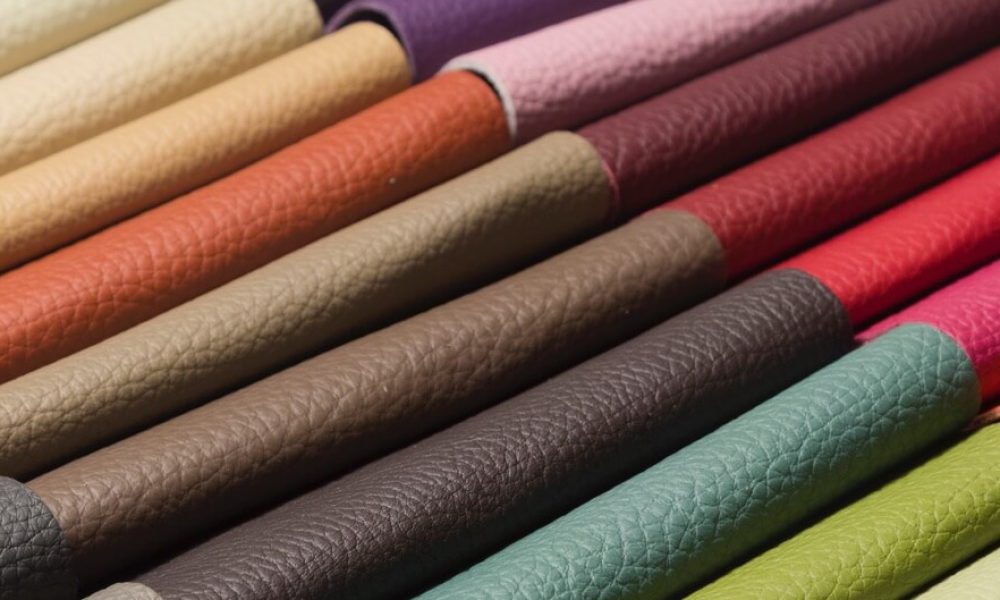
According to the latest insights from Beyond Market Insights, the global synthetic leather market is projected to grow from USD 42.21 billion in 2024 to a staggering USD 76.97 billion by 2032, advancing at a robust CAGR of 7.8%. The surge in demand is fueled by growing consumer awareness around animal cruelty, the environmental footprint of traditional leather, and rising adoption of bio-based, sustainable alternatives in key industries such as automotive, footwear, and furniture.
Synthetic leather, also known by names such as faux leather, artificial leather, and imitation leather, has emerged as a compelling substitute for traditional animal-derived leather. Commonly derived from polyurethane (PU) and polyvinyl chloride (PVC), synthetic leather offers superior flexibility, durability, and design versatility—qualities that have positioned it as a material of choice across industries.
Get Your Sample Report Now: https://beyondmarketinsights.com/request-sample/5391
Why Synthetic Leather is in High Demand
One of the most influential market drivers is the global shift away from animal-derived products. As more consumers become environmentally and ethically conscious, the demand for vegan-friendly products has surged. This is especially evident in the fashion and automotive sectors, where synthetic leather is increasingly used for shoes, bags, car seats, and upholstery.
“Synthetic leather offers manufacturers the ability to meet sustainability targets while still delivering aesthetic and functional appeal,” said a senior analyst at Beyond Market Insights. “It’s a win-win for brands looking to attract younger, eco-conscious consumers.”
Additionally, PU-based synthetic leather, in particular, is prized for its close resemblance to natural leather—soft to the touch, breathable, and suitable for wearable applications. It is no surprise that this segment dominates the market landscape.
Technological Innovations and Sustainability Goals
In response to the environmental concerns associated with PVC-based leather—particularly its release of VOCs and greenhouse gases—leading manufacturers are pivoting toward cleaner alternatives. The advent of water-based PU and bio-based synthetic leather marks a new chapter for the industry. Bio-based variants, made from renewable resources like plant oils and natural fibers, are gaining traction and are expected to witness exponential growth in the coming years.
These innovations align with broader ESG goals and global efforts to combat climate change. By reducing dependence on fossil fuels and minimizing toxic emissions, bio-based synthetic leather represents a major opportunity for companies looking to future-proof their portfolios.
Challenges and Restraints
Despite the market’s upward trajectory, the synthetic leather industry faces a number of hurdles. Environmental activists and regulatory bodies continue to scrutinize the long-term ecological impact of traditional synthetic leather materials. Disposal challenges, particularly related to non-biodegradability, remain a concern.
Health-related issues stemming from off-gassing of new synthetic leather products also affect consumer trust, especially in premium product lines. These concerns are driving industry players to invest in R&D aimed at making synthetic leather not just sustainable in appearance but also safe in composition.
Discover Key Market Trends – Read the Complete Report: https://beyondmarketinsights.com/report/synthetic-leather-market/
Impact of Geopolitical and Economic Forces
Geopolitical tensions have had noticeable effects on the synthetic leather supply chain:
U.S.-China Trade Tariffs: Tariffs have inflated raw material costs and prompted many North American companies to explore alternative sourcing strategies.
Russia-Ukraine War: Disruptions in the European energy and petrochemical sectors have led to delays and price increases in synthetic leather production.
Middle East Tensions: While the Israel-Palestine conflict has not significantly disrupted production, regional shipping logistics have been impacted, delaying supply chain efficiency.
These factors underscore the importance of diversified and localized supply chains, particularly in volatile global markets.
Market Segmentation Highlights
By Type:
PU Synthetic Leather: Preferred for wearables and fashion accessories.
PVC Synthetic Leather: Common in automotive and furniture due to its toughness and affordability.
Bio-based Leather: Poised for rapid growth, supported by increasing R&D investment.
By Application:
Footwear: Largest segment, driven by demand for water-resistant, affordable, and vegan shoes.
Clothing & Accessories: Expanding fast as fashion brands embrace cruelty-free lines.
Automotive Upholstery: Supported by the rise of EVs and demand for sustainable interiors.
Regional Insights
Asia Pacific dominates the global landscape, with China, India, South Korea, and Vietnam acting as manufacturing hubs.
North America and Europe are witnessing sustained growth thanks to regulatory pressure and increased consumer demand for green products.
Latin America, the Middle East & Africa are emerging as new growth regions, backed by increasing industrialization and consumer spending.
Key Players in the Synthetic Leather Market
Leading companies spearheading innovation and market dominance include:
Kuraray Co., Ltd.
H.R. Polycoats Pvt. Ltd.
Alfatex Italia SRL
Filwel Co., Ltd.
Yantai Wanhua Synthetic Leather Group Co., Ltd.
San Fang Chemical Industry Co., Ltd.
Mayur Uniquoters Limited
Teijin Limited
Nan Ya Plastics Corporation
These companies are actively investing in sustainable materials, advanced manufacturing techniques, and strategic partnerships to strengthen their global footprint.
Looking Ahead
With shifting consumer values, technological advancements, and rising awareness about sustainability, the synthetic leather market is positioned for sustained expansion through 2032. Companies that can align product innovation with eco-friendly practices will not only capture market share but also contribute meaningfully to the global sustainability movement.
Acquire our comprehensive synthetic leather market research report, visit: https://beyondmarketinsights.com/buy-now/5391




