
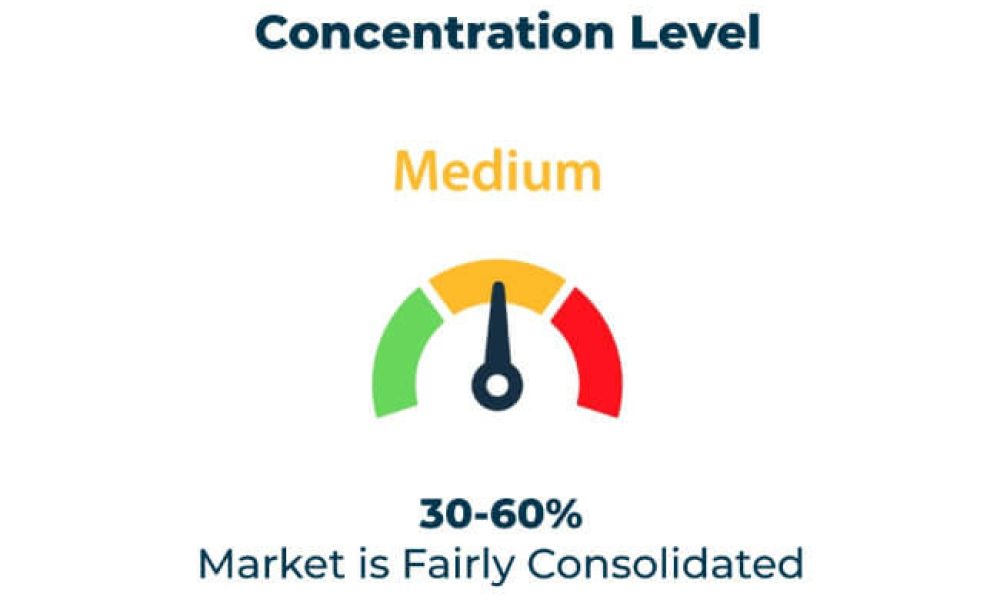
The global snap sachets market is entering a transformative phase, with leading players collectively holding 45% of industry share in 2025. Amcor Plc, Huhtamaki, and Sealed Air alone account for 19%, while Berry Global and Glenroy contribute another 10%, and Constantia Flexibles, Coveris, ProAmpac, Winpak, and Mondi Group together add 7%.
This concentration underscores the growing demand for lightweight, tamper-proof, and sustainable packaging solutions that meet the needs of food, beverage, pharmaceutical, and personal care industries. With the market shifting toward biodegradable materials and RFID-enabled smart packaging, snap sachets are poised to redefine convenience and sustainability in single-use packaging.
Key Market Insights at a Glance
The snap sachets industry is characterized by rapid innovation and sustainability-driven growth. Tier 1 players are focusing on ultra-thin, high-barrier sachets and AI-powered leak-proof technologies, while Tier 2 suppliers are expanding biodegradable and recyclable formats. Tier 3 manufacturers, representing 35% of the market, are carving niches with customized solutions such as biodegradable sachets and RFID-enabled traceability. This balance between global giants and regional innovators ensures both scalability and adaptability across diverse applications.
Segment Overview
Food and beverage remains the largest end-user segment, with sachets increasingly used for sauces, condiments, and ready-to-mix drinks. Pharmaceuticals and healthcare are leveraging snap sachets for liquid and powdered medicines, ensuring precise dosing and hygiene. Personal care and cosmetics brands are embracing sachets for shampoos, skincare, and travel-friendly packaging. Product categories span plastic-based sachets for durability, paper-based sachets for recyclability, and smart sachets equipped with RFID and tamper-proof features. The convergence of sustainability and technology is reshaping the segment landscape, with biodegradable and AI-driven designs gaining traction.
Regional Overview
Asia-Pacific leads the adoption curve, driven by rising demand for cost-effective, portion-controlled packaging in fast-growing FMCG and healthcare markets. Europe is emphasizing recyclable and biodegradable sachets, aligning with stringent environmental regulations. North America is witnessing strong uptake in personal care and foodservice applications, while the Middle East, particularly Saudi Arabia, is emerging as a hub for smart packaging innovations. Regional players are complementing global leaders by offering tailored solutions that address local consumer preferences and regulatory frameworks.
Competitive Landscape
The competitive environment is defined by a mix of global leaders and agile regional firms. Amcor Plc’s launch of ultra-thin, high-barrier sachets in January 2024 set new benchmarks for efficiency. Huhtamaki’s AI-driven leak-proof technology introduced in March 2024 enhanced product integrity, while Sealed Air’s RFID-enabled smart sachets in April 2024 advanced traceability. Berry Global expanded biodegradable production in May 2024, and Glenroy strengthened food preservation with high-barrier sachets in June 2024. Constantia Flexibles followed with tamper-proof designs in July 2024, reinforcing the industry’s commitment to innovation.
Market Outlook: Powering the Next Decade
The next decade will be defined by sustainability, automation, and smart packaging. Manufacturers are investing in energy-efficient production, predictive analytics for supply chains, and AI-powered quality control. Demand for tamper-proof, lightweight, and recyclable sachets will continue to rise, particularly in foodservice, pharmaceuticals, and personal care. With government regulations tightening and consumer awareness growing, biodegradable and RFID-enabled sachets are expected to dominate market expansion. The industry is projected to evolve into a highly automated, eco-conscious ecosystem that balances convenience with responsibility.
Key Players of Sustainable Label Industry
Amcor Plc, Huhtamaki, Sealed Air, Berry Global, Glenroy, Constantia Flexibles, Coveris, ProAmpac, Winpak, and Mondi Group are at the forefront of sustainable innovation. Their collective efforts are shaping the future of packaging by integrating eco-friendly materials, smart technologies, and cost-effective designs. These players are not only addressing immediate market needs but also setting the foundation for long-term resilience and growth.
Recent Strategic Developments
The past year has witnessed a surge in strategic initiatives. Amcor’s ultra-thin sachets, Huhtamaki’s AI-driven sealing, and Sealed Air’s RFID-enabled solutions highlight the industry’s pivot toward advanced technologies. Berry Global’s biodegradable expansion and Glenroy’s high-barrier innovations further reinforce sustainability as a core driver. Constantia Flexibles’ tamper-proof designs add another layer of security, ensuring consumer trust. Collectively, these developments signal a market that is agile, forward-looking, and committed to powering the next decade of packaging innovation.
Subscribe for Year-Round Insights → Stay ahead with quarterly and annual data updates: https://www.futuremarketinsights.com/reports/sample/rep-gb-21090
Purchase Full Report for Detailed Insights: https://www.futuremarketinsights.com/reports/snap-sachets-market-share-analysis
About Future Market Insights (FMI)
Future Market Insights, Inc. (ESOMAR certified, recipient of the Stevie Award, and a member of the Greater New York Chamber of Commerce) offers profound insights into the driving factors that are boosting demand in the market. With a vast team of over 400 analysts worldwide, FMI provides global, regional, and local expertise on diverse domains and industry trends across more than 110 countries.



