
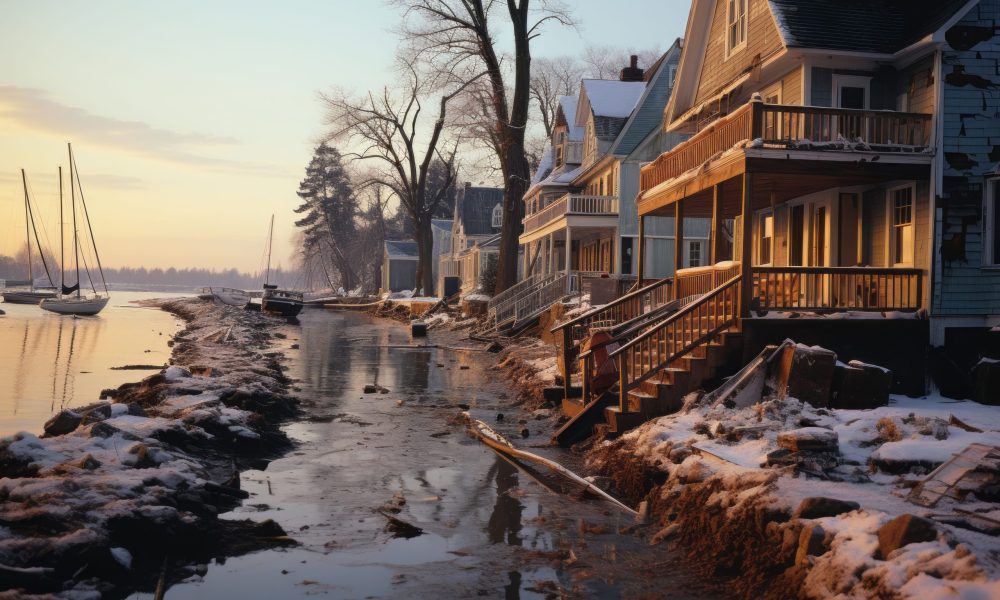
Winter brings a crisp chill to the air, prompting us to turn up the thermostat and spend our evenings staying warm indoors. While we focus on enjoying the cozy season, our homes are fighting a quiet battle against the elements. Most homeowners associate flooding with spring rainstorms, but the freezing months actually pose one of the highest risks for indoor flooding. The combination of plummeting temperatures and accumulating snow creates the perfect storm for moisture to breach your property. When these winter weather events exploit the weak points in a house, the resulting mess usually requires professional water damage restoration to salvage the flooring, drywall, and structural framing. Understanding exactly how the cold weather attacks your home is the first step in preventing a costly winter disaster. Let’s explore the most common reasons why moisture problems peak during the chilliest time of the year.
Frozen and Bursting Pipes
The most notorious culprit behind wintertime flooding is the plumbing system itself. Water has a unique physical property; it expands as it freezes. When the temperature drops well below freezing, the water resting inside your uninsulated pipes turns to solid ice. This expansion creates an immense amount of pressure against the metal or plastic pipe walls. Eventually, the pipe simply can’t contain the outward pressure and splits open.
The real disaster doesn’t happen when the pipe freezes; it happens when the pipe finally thaws. As the ice block melts, hundreds of gallons of pressurized water rush out of the newly formed crack, quickly flooding basements, kitchens, or bathrooms. Pipes located along uninsulated exterior walls, in drafty crawl spaces, or inside unheated garages are especially vulnerable to this freeze-and-thaw cycle. A tiny crack can release enough water to ruin a finished basement in a matter of hours, making proper pipe insulation a vital autumn chore.
The Formation of Roof Ice Dams
While you’re checking your plumbing indoors, a different threat often develops right above your head. Ice dams are a frequent winter headache, especially for older homes with inadequate attic insulation. When your home’s internal heat escapes through the ceiling and warms the roof deck, it causes the layer of snow resting on the shingles to melt. This melted snow runs down the slope of the roof until it hits the eaves and gutters.
Because the eaves extend past the exterior walls, they remain freezing cold. The runoff water hits this frigid edge and immediately refreezes, forming a solid ridge of ice. As this cycle continues, the ridge grows taller, creating a literal dam. Subsequent melting snow pools up behind this barrier and eventually backs up underneath the roofing shingles. From there, the moisture seeps directly into the attic, ruining insulation, staining ceiling drywall, and encouraging harmful mold growth long before you even realize there is an active leak.
Neglected Gutters and Overflowing Runoff
Fall maintenance directly impacts how your house survives the winter. If you skip cleaning out your gutters before the first snowfall, you are setting the stage for significant moisture intrusion. When gutters are clogged with dead leaves, twigs, and dirt, rainwater and melting snow have nowhere to go.
During a winter freeze, this trapped debris and water turn into a solid block of ice inside the gutter channel. When the weather briefly warms up and the snow on your roof begins to melt rapidly, the runoff can’t flow through the blocked downspouts. Instead, it cascades over the sides of the gutters, pouring directly down your exterior siding and pooling right against your foundation. When the ground is frozen, that pooling water can’t absorb into the soil. It will inevitably find its way through the path of least resistance, which is usually right into your basement or crawl space.
Foundation Cracks and the Freeze-Thaw Cycle
Even a structurally sound home usually has a few microscopic hairline cracks in the concrete foundation. During the summer, these tiny fissures are mostly harmless. However, winter weather turns them into a serious liability. As snow melts around the perimeter of your home, the moisture seeps into those tiny concrete imperfections. When the temperature drops again overnight, that trapped moisture freezes and expands.
This expansion pushes the concrete apart, widening the cracks bit by bit. Over the course of a single winter, the constant freezing and thawing can turn a microscopic fissure into a noticeable gap. Once the spring thaw arrives or a late winter rainstorm hits, those widened cracks become a direct highway for groundwater to flood your basement. Sealing your foundation before the first freeze is crucial for keeping out unwanted winter moisture.
Overworked Water Heaters
We rely heavily on our water heaters during the colder months. Taking longer, hotter showers and running the dishwasher more often puts extra strain on the appliance. The municipal water entering the tank is much colder in the winter, meaning the heater has to work overtime just to reach the baseline temperature.
This constant strain can expose existing weaknesses in an older tank. The continuous expanding and contracting of the metal tank can cause rusty valves to fail or weak seams to finally rupture. A burst water heater acts just like a burst pipe, sending a continuous flow of water across your utility room floor until someone manually shuts off the main supply valve.
Maintaining a Dry Sanctuary
Winterizing your property isn’t just about blocking cold drafts; it’s about protecting the structural integrity of your home from invasive moisture. The freezing temperatures exploit vulnerabilities you didn’t even know existed, turning a small patch of missing insulation or a clogged gutter into an expensive disaster. By understanding how ice dams form, taking the time to insulate your exposed pipes, and keeping an eye on your foundation, you can stop these common winter threats before they start. Staying proactive ensures your home remains a warm, dry, and safe sanctuary throughout the entire season.




