
The global pyramid tea bags market is on a steady growth trajectory, projected to reach USD 437 million by 2035, expanding at a CAGR of 4.5% between 2025 and 2035. This momentum is fueled by rising consumer demand for premium tea experiences, eco-friendly packaging solutions, and convenience-driven innovations. As tea culture evolves worldwide, pyramid tea bags are redefining how consumers engage with flavor, sustainability, and modern packaging formats.
Key Market Insights at a Glance
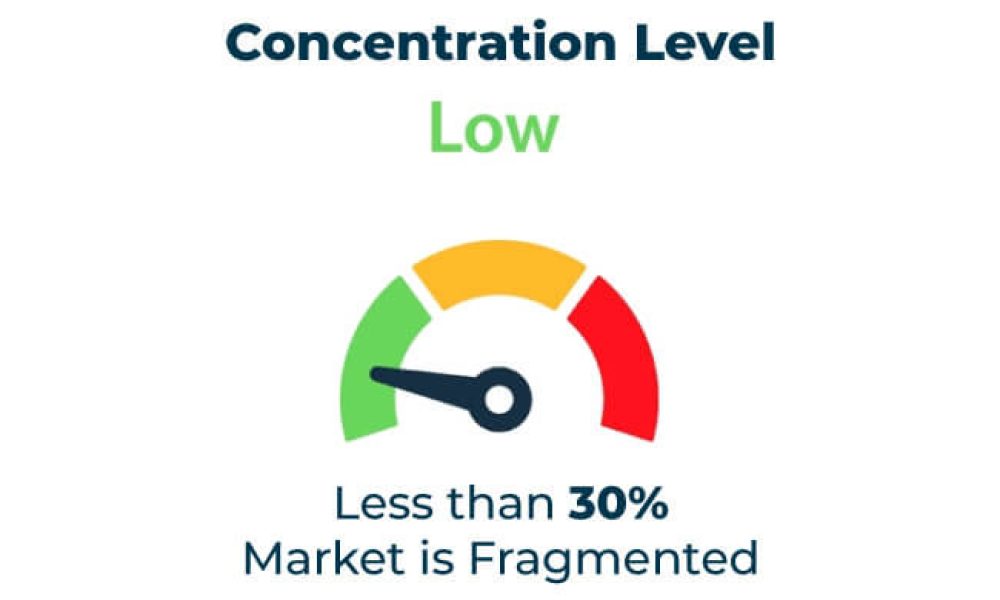
Pyramid tea bags are increasingly favored for their ability to enhance flavor infusion and aroma retention, offering a superior brewing experience compared to traditional formats. The market is witnessing strong adoption of biodegradable materials, recyclable packaging, and transparent sourcing practices, aligning with global sustainability goals. Leading players such as Twinings, Lipton, and Tetley collectively account for 13% of market share, while the top 10 players together hold 25%, highlighting a moderately concentrated yet competitive landscape.
Segment Overview
Retail remains the dominant distribution channel, with pyramid tea bags positioned as premium offerings in supermarkets and specialty stores. The HoReCa segment—hotels, restaurants, and cafes—continues to expand its use of pyramid tea bags to elevate customer experiences, while e-commerce platforms are rapidly emerging as growth engines, enabling customizable and specialty tea bag options for niche audiences. Premiumization is a defining trend, with consumers increasingly opting for organic, specialty, and super-premium teas packaged in pyramid formats.
Regional Overview
North America leads the market with a 35% share, driven by strong sustainability initiatives and a growing appetite for premium teas. Europe follows closely at 30%, where stringent regulations on single-use plastics are accelerating the adoption of biodegradable packaging. Asia-Pacific, holding 25% of the market, is witnessing rapid growth due to rising disposable incomes and a flourishing tea culture, particularly in China and India. Other regions, including Africa and Latin America, collectively account for 10%, where affordability and sustainable packaging are key demand drivers.
Competitive Landscape
The pyramid tea bags market is shaped by a blend of established global brands and emerging specialty players. Twinings has pioneered compostable pyramid bags, Lipton has scaled production with biodegradable materials, and Tetley has introduced customizable packaging solutions for specialty retailers. Tier-two players such as Dilmah and Harney & Sons are carving niches with premium blends, while tier-three brands like Kusmi Tea and Mighty Leaf Tea are leveraging innovation and regional appeal. Market competition is intensifying as companies invest in automation, AI-driven packaging optimization, and sustainable innovation to differentiate their offerings.
Market Outlook: Powering the Next Decade
The next decade will see pyramid tea bags evolve into a mainstream premium packaging solution, with sustainability and innovation at the forefront. Advances in biodegradable mesh materials, flavor-enhancing designs, and automated packaging systems will drive efficiency and consumer satisfaction. E-commerce expansion, coupled with rising demand in emerging markets, will unlock new opportunities. Companies that integrate AI into production, embrace eco-friendly designs, and collaborate with tea producers and retailers will be best positioned to lead.
Key Players of Sustainable Label Industry
Sustainability is no longer optional—it is a competitive necessity. Twinings, Lipton, and Tetley are setting benchmarks with compostable and biodegradable solutions, while Dilmah and Harney & Sons emphasize ethically sourced teas. Emerging brands are focusing on transparency, fair trade, and waste reduction, ensuring that sustainability resonates across the value chain. This collective push toward eco-conscious practices is reshaping consumer expectations and industry standards.
Recent Strategic Developments
Recent years have seen a wave of strategic initiatives aimed at strengthening market positioning. Twinings introduced fully compostable pyramid bags, Lipton scaled mass production with biodegradable materials, and Tetley launched customizable solutions for specialty retailers. Collaborations with e-commerce platforms and tea producers are enhancing distribution reach and brand visibility. Meanwhile, regulatory compliance in regions such as Europe and North America is driving innovation in bio-based materials and recyclable packaging.
Subscribe for Year-Round Insights → Stay ahead with quarterly and annual data updates: https://www.futuremarketinsights.com/reports/sample/rep-gb-20985
Purchase Full Report for Detailed Insights: https://www.futuremarketinsights.com/reports/pyramid-tea-bags-market-share-analysis
About Future Market Insights (FMI)
Future Market Insights, Inc. (ESOMAR certified, recipient of the Stevie Award, and a member of the Greater New York Chamber of Commerce) offers profound insights into the driving factors that are boosting demand in the market. With a vast team of over 400 analysts worldwide, FMI provides global, regional, and local expertise on diverse domains and industry trends across more than 110 countries.



