
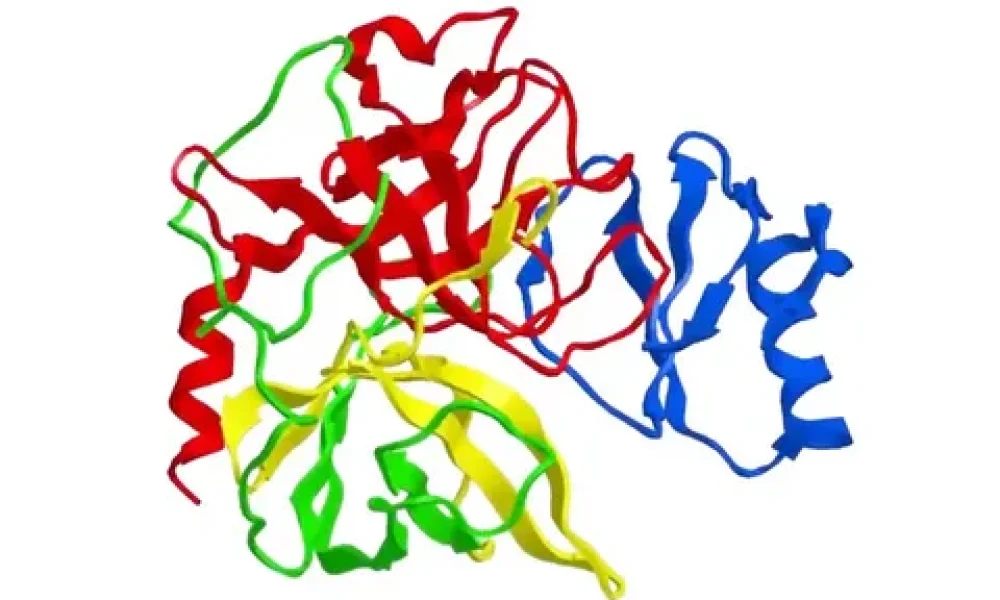
The global protease market is on the brink of transformative growth. Valued at USD 2,263.8 million in 2024, the industry is projected to more than double, reaching USD 4,797.6 million by 2034, at a strong CAGR of 8.0%. Fueled by rapid urbanization, health-conscious consumers, and innovation across food, pharmaceuticals, and industrial applications, proteases are set to play a pivotal role in shaping the future of nutrition and biotechnology.
A Market Growing Beyond Expectations
Protease enzymes—known for their ability to break down proteins, enhance digestion, and improve food texture—have gained recognition not just as industrial inputs, but as enablers of healthier lifestyles. Between 2019 and 2023, global sales grew at 4.4% CAGR, largely due to consumer demand for natural, sustainable alternatives in food preservation and processing. Looking ahead, the growth trajectory is accelerating, with forecasts predicting a 5.1% CAGR from 2024 to 2034.
Key factors include the rising demand for protein-rich diets, functional foods, plant-based alternatives, and solutions that improve gut health. From tenderizing meat with papain and bromelain to enabling gluten-free bakery innovations, proteases are now indispensable in everyday foods.
Full Market Report available for delivery. For purchase or customization, please request here:
https://www.futuremarketinsights.com/reports/sample/rep-gb-2057
Technology Driving New Opportunities
Two technologies are reshaping the protease landscape:
Structural Modification for Stability and Efficiency
Traditional proteases often lose activity under extreme industrial conditions. To overcome this, leaders such as Novozymes and DSM are applying protein engineering to improve enzyme resilience under high heat, varying pH levels, and solvent exposure. This ensures cost savings and higher production efficiency across industries like detergents, brewing, and meat processing.Recombinant DNA Technology
By manipulating gene sequences, manufacturers such as DuPont Nutrition & Biosciences and Chr. Hansen are producing high-purity proteases at scale. This method not only guarantees uniform quality but also allows for customization—developing enzymes tailored to niche needs in biodegradable detergents, functional beverages, and pharmaceuticals.
These advancements are revolutionizing production, reducing reliance on natural sources, and making proteases more sustainable and versatile.
Regional Insights: A Global Growth Story
The protease market is not limited to one geography—it is thriving worldwide, with key markets showing distinctive strengths.
United States (CAGR: 7.0%)
American companies are investing heavily in optimizing proteases for sports nutrition, dietary supplements, and animal feed. With a growing interest in protein hydrolysis for high-quality peptides, U.S. manufacturers are aligning protease innovation with consumer fitness trends and industrial needs.Germany (CAGR: 7.6%)
German firms are pioneering sustainable protease development for brewing, dairy, pharmaceuticals, and detergents. BASF, for example, has introduced Lavergy™ Pro 104 L, a bio-based protease that doubles as a powerful stain remover in detergents. The country’s strong regulatory framework ensures safety and quality, further strengthening consumer trust.China (High adoption of microbial proteases)
In China, microbial proteases are transforming the food, textile, and pharmaceutical sectors. Companies like Sunson Industry Group Co., Ltd. are focusing on cost-effective, eco-friendly enzyme solutions. With rising demand for plant-based products, China is also pushing protease innovation in functional foods and herbal therapeutics.India (CAGR: 6.5%)
Known for its dynamic biotech ecosystem, India is seeing rapid growth from regional players like Antozyme Biotech, which are leveraging innovative production methods to serve both domestic and global markets.
Category-Wise Trends
Microbial Protease (25.1% share in 2024)
Proteases derived from microorganisms are cost-efficient, stable, and versatile—ideal for large-scale use in detergents, baking, and protein supplements. Advances in genetic engineering now allow tailoring microbial proteases for specific functions, from stain removal to dairy fermentation.End-Use Applications: Baby Food Leads (37.4% share in 2024)
Proteases play a vital role in infant nutrition by aiding protein digestion. Beyond baby food, proteases are expanding in convenience foods, gluten-free bakery products, and dietary supplements. Plant-based proteases like papain and bromelain are also gaining traction in the ready-to-eat meals sector, aligning with consumer demand for healthier and more digestible foods.
A Competitive Landscape of Global Giants and Local Innovators
The protease industry remains highly competitive, with a blend of multinational leaders and agile regional innovators.
Tier 1 Leaders: Novozymes, DuPont, DSM, BASF, Chr. Hansen, Roche CustomBiotech, Amano Enzyme Inc. These players dominate with cutting-edge R&D, large-scale facilities, and global supply chains. Novozymes, in particular, continues to lead in sustainable protease solutions, recently launching its Formea range for clean-label protein beverages.
Tier 2 Regional Specialists: AB Enzymes, Bioseutica, Antozyme Biotech, Tex Biosciences, Bestzyme. These companies address specific markets with tailored solutions, such as Antozyme’s success in India with customized proteases for diverse industries.
Tier 3 Emerging Players: Aumgene Biosciences, Enzyme Bioscience Pvt. Ltd., Biocatalysts Ltd. Though smaller in scale, these firms excel in niche markets and regional distribution, often offering personalized solutions and closer customer relationships.
The competitive dynamic is fostering collaborations and partnerships, particularly in the biotech space. For instance, in 2022, global enzyme leaders partnered with academic institutions to develop novel proteases for agriculture and biopharmaceutical applications.
Request Customization for Your Unique Needs:
https://www.futuremarketinsights.com/customization-available/rep-gb-2057
The Road Ahead: Health, Sustainability, and Innovation
The next decade will see proteases firmly entrenched in functional foods, sustainable industry practices, and healthcare solutions. From cholesterol-lowering plant proteases to eco-friendly detergent formulations, the scope of innovation is expanding rapidly.
Consumer health will remain a key driver, with protease-based supplements gaining popularity among fitness enthusiasts, aging populations, and individuals seeking better digestive wellness. Meanwhile, industries are embracing proteases as sustainable, high-performance alternatives that reduce waste, energy use, and chemical dependency.
Conclusion
The global protease market is not only doubling in size—it is evolving in character. With established leaders such as Novozymes, DSM, and BASF setting new benchmarks, and emerging innovators from India and China reshaping production strategies, the industry is moving toward a future that balances efficiency, sustainability, and human health.
As demand rises, one thing is clear: proteases are no longer just industrial enzymes—they are at the heart of tomorrow’s food, health, and biotechnology revolutions.



