
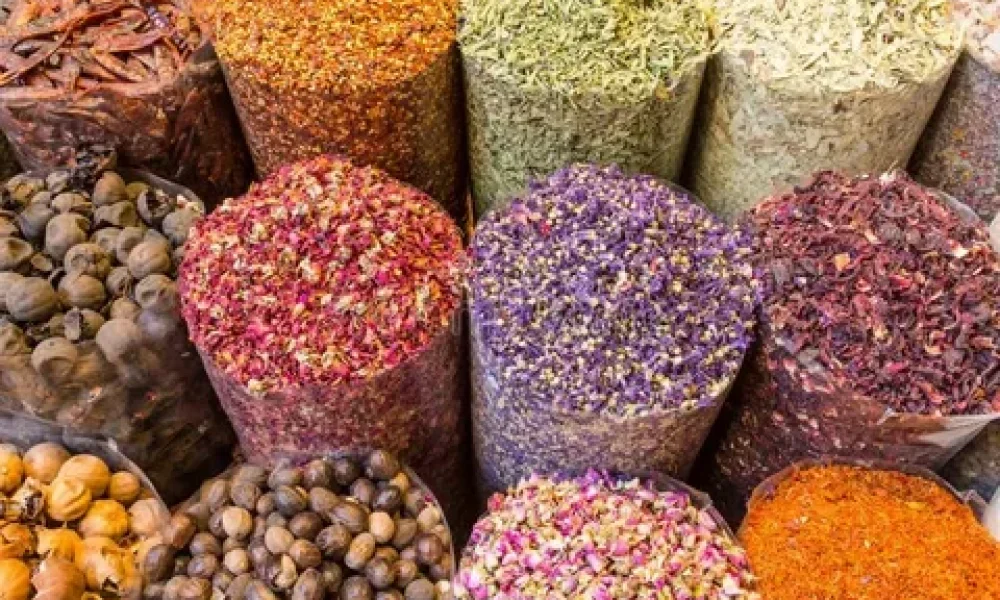
The global herb and spice market is entering an exciting decade of transformation, innovation, and expansion. According to industry analysis, the market is forecast to grow steadily at a CAGR of 3.6% from 2024 to 2034, climbing from USD 171,563.1 million in 2024 to USD 244,124.7 million by the end of 2034. With consumers increasingly seeking authentic flavors, health-boosting ingredients, and clean-label products, herbs and spices are taking center stage in both traditional kitchens and the modern food industry.
A Decade of Growth Ahead
Historically, the market has shown consistent strength. Between 2019 and 2023, the herb and spice sector expanded at 3.34% CAGR, reaching USD 167,874.1 million by 2019 and gaining momentum ever since. What once was a highly fragmented market dominated by countless small and mid-tier producers is now becoming more structured as collaborations and acquisitions reshape the competitive landscape. Established companies are joining forces with innovative newcomers to ensure diverse offerings reach global consumers.
Full Market Report available for delivery. For purchase or customization, please request here:
https://www.futuremarketinsights.com/reports/sample/rep-gb-12536
Emerging Trends in Dried Herbs and Spices
Today’s food culture is being defined by a thirst for variety, authenticity, and well-being. Consumers are demanding new aromatic experiences, leading chefs and recipe developers to experiment with bold flavor combinations. Global cuisines—from Indian curries to Mexican salsas—are winning hearts across continents, fueling spice consumption at a rapid pace.
Beyond flavor, health-conscious consumers are increasingly recognizing the medicinal and physiological benefits of herbs and spices. Many varieties carry antiviral, antibacterial, and anti-inflammatory properties. From turmeric’s anti-aging reputation to cinnamon’s cholesterol-lowering impact, the idea of “food as medicine” is reshaping eating habits worldwide.
The Rise of Plant-Based and Natural Ingredients
A powerful trend shaping the market is the growing preference for natural seasonings and spices over synthetic ingredients. Consumers are willing to pay premium prices for products that are organic, clean, and plant-based. For example, global leader Givaudan S.A. expanded its portfolio in 2017 through the acquisition of Activ International, adding natural and organic culinary solutions to meet shifting demands.
Ready-to-eat and ready-to-drink products are also embracing herbs and spices, with items like cinnamon teas, apple-cinnamon spritzers, and spiced alcoholic beverages becoming mainstream. Coca-Cola’s introduction of a cinnamon-flavored Coke Zero in the UK highlights how large brands are incorporating spices into beverages to meet evolving tastes.
Regional Insights: Where Growth is Brewing
United States (CAGR 5.9%): With its diverse population and booming immigrant communities, the U.S. remains the fastest-growing market. The popularity of Indian, Italian, Mexican, and Chinese cuisines is surging, and convenient ready-to-cook spice mixes are gaining traction among busy consumers.
Germany (CAGR 4.2%): Demand for clean-label products is redefining the European spice market. German consumers are particularly focused on natural and organic herbs and spices, pushing manufacturers to offer transparent, health-oriented solutions.
China (CAGR 4%): With a long tradition of herbal medicine and functional food, Chinese consumers naturally gravitate toward herbs and spices. Companies like Infinitus (China) Co Ltd. are leveraging this cultural inclination to expand their footprint in the wellness market.
Japan (CAGR 4%): Rising imports and growing demand for cholesterol-lowering spices such as pepper, ginger, and cinnamon are driving sales. Expansion strategies by key international players are also boosting Japan’s seasoning industry.
India (CAGR 4.3%): As one of the largest suppliers of cumin, turmeric, chili, and ginger, India continues to dominate the global spice trade. Beyond culinary use, spices are deeply rooted in Indian medicine and wellness traditions, offering a dual advantage for domestic and international markets.
Product and Category Insights
Spices remain the top-selling product category, accounting for nearly 64.3% of the market revenue in 2024. From antimicrobial properties to anti-inflammatory benefits, spices like clove, cinnamon, and cumin continue to attract demand across food, beverage, and health sectors.
Herbs, however, are expected to see faster growth. Their role in preventing and managing chronic diseases such as cancer, heart disease, and diabetes is elevating their importance. Culinary herbs are also favored for their ability to enhance flavors and add vibrancy to meals.
In terms of application, the food industry dominates with 48.9% market share in 2024. The proliferation of global restaurants and salad-based diets is driving consumption of cumin, cardamom, paprika, and other spices. Easy availability in supermarkets and the rise of authentic ethnic dining are further fueling demand.
Request Customization for Your Unique Needs:
https://www.futuremarketinsights.com/customization-available/rep-gb-12536
Competitive Landscape: Innovation Meets Tradition
The herb and spice market is a vibrant blend of heritage and innovation. Longstanding companies like McCormick & Company, Inc., Kerry Group Plc., and Ajinomoto Co., Inc. are expanding manufacturing capabilities, acquiring local players, and investing in sustainable packaging. Meanwhile, emerging brands are disrupting the market with creative product offerings.
In May 2022, Jhaveri Spices Private Limited launched innovative blends such as Rajashahi Garam Masala and Pav Bhaji Masala, highlighting India’s continued role as a spice innovator. Similarly, in November 2022, LifeSpice India introduced its science-baked spice mix kits, offering convenience and novelty to modern consumers.
Ajinomoto Co., Inc. also made headlines in 2016 by investing USD 21.8 million to boost capacity for its Ros Dee® seasoning brand in Thailand. These moves showcase how manufacturers are balancing tradition with modern consumer preferences.
Looking Ahead: A Flavorful Future
As global demand for natural, clean, and health-forward products intensifies, the herb and spice market is poised for steady expansion. Collaboration between established giants and dynamic new entrants will ensure innovation keeps pace with consumer expectations. From flavor-packed ready-to-drink beverages to organic spice blends and medicinal herbs, the next decade promises to make herbs and spices more integral to everyday living than ever before.



