
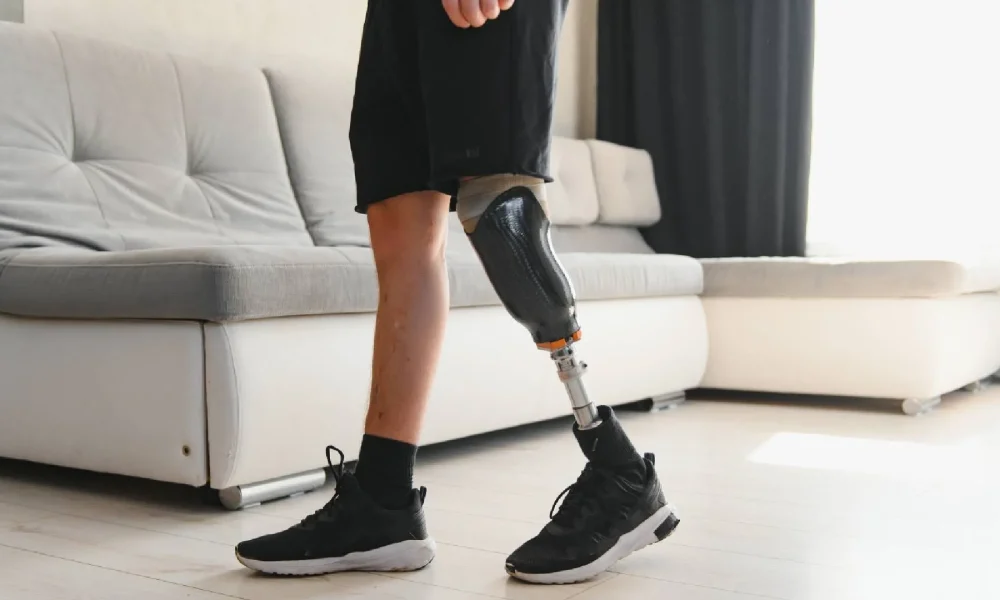
The lower limb prosthetics market is a rapidly evolving sector that plays a crucial role in restoring mobility and independence to individuals who have lost a leg due to disease, trauma, or congenital conditions. These advanced devices are designed to replicate the function of a natural limb and are developed using cutting-edge materials and technologies. As a result, the market has witnessed impressive growth and is expected to continue its upward trajectory over the next several years. This article provides an in-depth look at the lower limb prosthetics market, including its current state, growth drivers, challenges, and key market segments.
Overview of the Market
The global lower limb prosthetics market is projected to grow from USD 1.8 billion in 2025 to USD 2.5 billion by 2032, representing a compound annual growth rate (CAGR) of 6.0% from 2025 to 2032. The market is being driven by several factors, including the rising incidence of chronic conditions such as diabetes and vascular diseases, an aging global population, and advancements in medical technology. These factors have spurred demand for prosthetic devices that provide improved functionality, comfort, and mobility for amputees.
Lower limb prosthetics refer to the devices designed to replace the function of a leg lost due to amputation. The devices are increasingly being designed using materials such as carbon fiber, titanium, and specialized plastics, combined with cutting-edge technologies like robotics, artificial intelligence (AI), and microprocessor-controlled systems. These advancements offer amputees improved mobility, comfort, and autonomy, making prosthetic devices an essential part of the rehabilitation process for many individuals worldwide.
The market’s growth is further fueled by the increasing availability of personalized prosthetic solutions and the rising awareness regarding advancements in prosthetic technology. In particular, the growing geriatric population, who are more prone to conditions that result in limb amputations, contributes to the market’s expansion. Additionally, factors like better insurance coverage, rising disposable incomes in developing countries, and expanding healthcare infrastructures are expected to improve the accessibility of advanced lower limb prosthetics globally.
Download Your Free Sample & Explore Key Insights: https://www.persistencemarketresearch.com/samples/34738
Market Statistics, Key Growth Drivers, and Leading Segments
The lower limb prosthetics market is currently dominated by the prosthetic leg segment, which is expected to account for a significant market share of 30% in 2025. This segment continues to lead due to the widespread availability of artificial legs and their ability to offer complete mobility for individuals with leg amputations. Furthermore, the segment’s growth is driven by the increasing demand for prosthetic legs in military and post-trauma rehabilitation, particularly in conflict zones and regions experiencing geopolitical tensions.
In terms of geographical regions, North America is expected to dominate the lower limb prosthetics market, with a projected market share of 44.7% in 2025. The dominance of North America is attributed to several factors, including high healthcare spending, advanced medical technologies, and comprehensive insurance policies that cover prosthetic devices. Additionally, the prevalence of conditions such as diabetes, which often leads to limb amputations, is significantly higher in this region, contributing to increased demand for lower limb prosthetics.
Key Highlights from the Report
• The lower limb prosthetics market is expected to grow from USD 1.8 billion in 2025 to USD 2.5 billion by 2032.
• The prosthetic leg segment is expected to dominate the market, with a 30% share in 2025.
• The North American market holds a significant share of 44.7% in 2025 due to advanced healthcare infrastructure.
• The Asia Pacific region is expected to grow at the fastest rate due to aging populations and rising healthcare expenditure.
• Rising incidences of chronic conditions such as diabetes and vascular diseases are key growth drivers for the market.
• High costs and limited awareness in developing countries pose challenges to the adoption of advanced prosthetic solutions.
Market Segmentation
Product Segmentation
The lower limb prosthetics market can be segmented based on product type into three major categories: prosthetic legs, prosthetic feet, and prosthetic knees. Among these, the prosthetic leg segment holds the largest market share due to its widespread usage and the essential mobility it provides. Prosthetic legs are often customized to meet the specific needs of individuals, offering varied levels of flexibility and functionality, which makes them highly sought after in rehabilitation programs.
Prosthetic feet and knees, though smaller segments in comparison to prosthetic legs, also contribute significantly to the overall market. Technological advancements, such as energy-return feet and adjustable knee mechanisms, have enhanced the performance of prosthetic feet and knees, making them crucial components in the recovery and rehabilitation process for amputees.
Technology Segmentation
The lower limb prosthetics market is also segmented based on the technology used in the design and manufacturing of prosthetic devices. Key categories include conventional lower extremity prosthetics, electric-powered lower extremity prosthetics, and hybrid lower extremity prosthetics.
Conventional lower extremity prosthetics are expected to hold a commanding share of the market, as they are widely used due to their reliability and well-established functionality. These prosthetics are commonly made from lightweight materials such as aluminum and plastic, offering amputees a durable and cost-effective solution for mobility.
Electric-powered and hybrid lower extremity prosthetics are gaining traction as they integrate modern technologies like AI, microprocessors, and sensors to improve performance and responsiveness. These advanced prosthetics offer enhanced functionality, including the ability to adjust gait patterns and respond to changes in terrain, providing users with a more natural and comfortable walking experience.
End-User Segmentation
The lower limb prosthetics market is primarily driven by two key end-user segments: hospitals and rehabilitation centers. These institutions are the primary providers of prosthetic devices and rehabilitation services to individuals who have undergone limb amputations. As the demand for prosthetic solutions increases, the role of hospitals and rehabilitation centers becomes even more critical in the market’s expansion. Additionally, a growing focus on outpatient care and at-home rehabilitation services is likely to support the continued demand for lower limb prosthetics.
Get Custom Insights Designed for Your Business: https://www.persistencemarketresearch.com/request-customization/34738
Regional Insights
North America
North America is expected to maintain a leading position in the lower limb prosthetics market, accounting for nearly 45% of the market share in 2025. The growth in this region is largely due to the high prevalence of diabetes and vascular diseases, which are common causes of limb loss. Furthermore, the region boasts state-of-the-art healthcare infrastructure, well-established healthcare policies, and a high level of awareness regarding advanced prosthetics. The U.S. alone is expected to see a significant rise in the number of individuals living with limb loss, with projections indicating that approximately 3.6 million Americans will be living with limb loss by 2050.
Europe
Europe is also a key player in the lower limb prosthetics market, benefiting from favorable government policies, high-quality healthcare services, and substantial investments in research and development. The region has seen increased adoption of advanced prosthetic technologies, with countries like Germany and the U.K. leading the way in providing state-of-the-art prosthetic solutions. Moreover, acquisitions, such as Ottobock’s purchase of Livit B.V., are strengthening the market position of key players in the region.
Asia Pacific
The Asia Pacific region is expected to witness the fastest growth in the lower limb prosthetics market, driven by a rapidly aging population and a rising prevalence of chronic diseases like diabetes and vascular conditions. Countries like China and India are particularly important markets, with their large populations and increasing healthcare investments. As awareness of prosthetic solutions continues to rise, the market in this region is set to expand significantly in the coming years.
Market Drivers
One of the primary drivers of the lower limb prosthetics market is the increasing prevalence of chronic diseases, particularly diabetes and vascular diseases. According to the 2025 Diabetes Atlas by the International Diabetes Federation (IDF), approximately 11.1% of the global adult population is living with diabetes, a condition that often leads to limb amputations. Similarly, the rising incidence of coronary artery disease and peripheral artery disease is contributing to a growing demand for prosthetics in regions such as North America and Europe.
Advancements in medical technology, including robotics and artificial intelligence, are also contributing to the growth of the lower limb prosthetics market. These technologies allow for more precise and adaptive prosthetics, enhancing the overall functionality and comfort for amputees.
Market Restraints
Despite the market’s growth potential, several factors hinder its development. The high cost of advanced prosthetic devices remains a major restraint, especially in developing regions where healthcare budgets are limited. The costs associated with microprocessor-controlled prosthetics, robotic limbs, and myoelectric prosthetics can be prohibitive for many individuals, limiting their access to these advanced solutions.
Limited awareness of the benefits of prosthetics in underserved regions is another challenge. While prosthetic devices are readily available in developed markets, many patients and healthcare providers in developing countries lack knowledge of the latest advancements in prosthetic technology. This lack of awareness, coupled with inadequate infrastructure, further limits the market’s growth potential in these regions.
Market Opportunities
There are significant growth opportunities in emerging economies across Asia, Africa, and Latin America. As healthcare infrastructure improves in these regions, manufacturers have the opportunity to introduce affordable prosthetic solutions to underserved populations. Collaborations with governments and non-governmental organizations (NGOs) can also increase awareness and make prosthetics more accessible to those in need.
The integration of digital technologies, such as telehealth and wearable devices, with prosthetic solutions presents another exciting opportunity. These technologies can enhance the functionality of prosthetic devices, provide real-time data on the user’s mobility, and improve the overall patient experience.
Checkout Now & Download Complete Market Report: https://www.persistencemarketresearch.com/checkout/34738
Company Insights
Key players operating in the global lower limb prosthetics market include:
• Ottobock SE & Co. KGaA
• Össur hf.
• Blatchford Group
• Hanger Clinic
• Enovis Corporation
• Fillauer Companies, Inc.
• Endolite India Ltd.
• College Park Industries
• Steeper Group
• TRS Inc.
• Naked Prosthetics
• DePuy Synthes
Market Segmentation
By Type
- Prosthetic Foot
- Prosthetic Knee
- Prosthetic Leg
By Technology
- Conventional Lower Extremity
- Electric Powered Lower Extremity
- Hybrid Lower Extremity
By End-user
- Hospitals
- Clinics
- Government
By Region
- North America
- Latin America
- Europe
- South Asia & Oceania
- East Asia
- The Middle East & Africa
Recent Developments
• In February 2024, Hanger Inc. completed the acquisition of Fillauer, enhancing its manufacturing capabilities and expanding its presence in both U.S. and European markets.
• In March 2025, Enovis Corporation introduced new innovations in foot and ankle prosthetics, showcasing advancements in its Tarsoplasty system, OssiGraft Prime® bone matrix, and Regeneration OL1000™ stimulator.
Conclusion
The lower limb prosthetics market is experiencing substantial growth, driven by factors such as the increasing prevalence of chronic diseases, technological advancements in prosthetics, and rising demand from the aging population. While challenges such as high costs and limited awareness persist, there are significant opportunities for growth in emerging markets, particularly in Asia, Africa, and Latin America. As technology continues to evolve, the future of the lower limb prosthetics market looks promising, offering improved solutions for amputees worldwide and enhancing their quality of life.




