
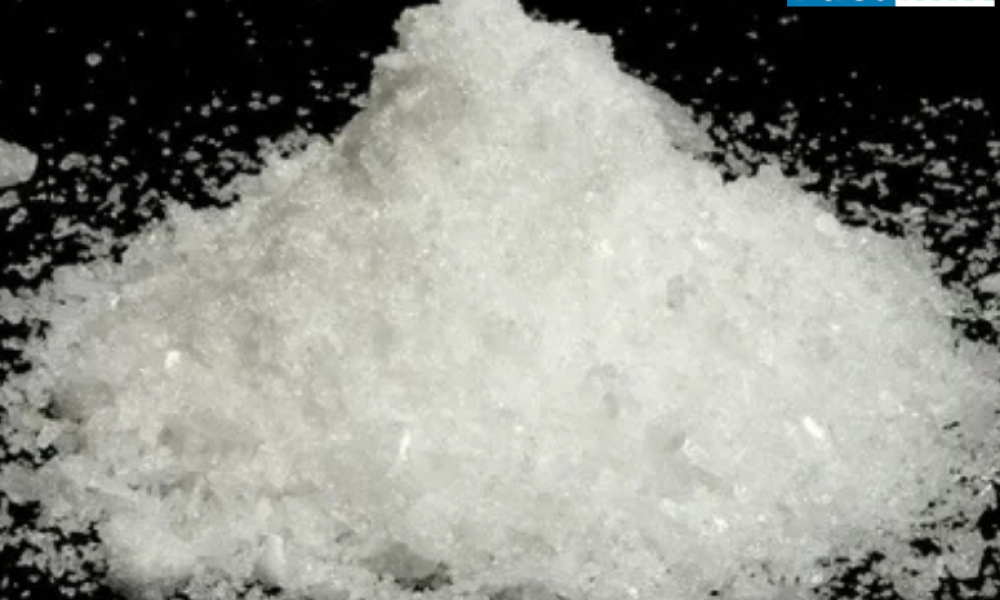
The global Lithium Bromide market is expected to reach USD 1,250 Million by 2035, up from USD 725 million in 2025. During the forecast period 2025 to 2035, the industry is projected to register at a CAGR of 5.6%.
Drivers of Market Growth
The growth of the Lithium Bromide market is being propelled by several key drivers. One of the most significant is the expanding use of the compound in HVAC systems. Lithium Bromide is widely employed in absorption chillers for industrial and commercial cooling solutions. With the growing importance of energy-efficient technologies, especially in data centers, manufacturing facilities, and large commercial buildings, Lithium Bromide-based systems are becoming increasingly preferred.
The energy sector is also contributing strongly to the market’s expansion. As global electricity consumption rises, industries are under pressure to adopt technologies that are both sustainable and cost-effective. Lithium Bromide-based absorption chillers consume less energy than conventional systems, making them attractive for energy-intensive industries.
In addition to cooling applications, Lithium Bromide is valued for its role as a desiccant and catalyst in chemical processing. This makes it useful in a variety of industrial applications, from material handling to specialized manufacturing. Its environmentally friendly nature further boosts adoption, as the compound does not release harmful greenhouse gases, unlike many traditional refrigerants. With stricter government policies on emissions, industries are shifting toward greener alternatives, and Lithium Bromide stands out as a practical solution.
The expansion of end-use industries, including chemical, pharmaceutical, and electronics, is also fueling demand. For example, in the pharmaceutical industry, Lithium Bromide finds applications in synthesis and product development, which adds diversity and resilience to market growth.
Regional Trends
In North America, the United States leads the market, largely due to widespread adoption of advanced HVAC technologies and rising demand for energy-efficient cooling in data centers. Government-backed sustainability initiatives further support this growth, while Canada is gradually following the same trend as industries modernize infrastructure.
Europe demonstrates strong growth potential because of its strict environmental regulations. Countries such as Germany, the UK, and the Nordic nations are particularly active in pushing for eco-friendly solutions, making Lithium Bromide-based technologies highly relevant. EU sustainability policies and the broader push toward a circular economy are reinforcing adoption across the continent.
Asia-Pacific stands out as one of the fastest-growing regions in the Lithium Bromide market. Rapid industrialization in China, India, Japan, and South Korea, coupled with rising investments in infrastructure and energy projects, is generating strong demand. The expansion of commercial real estate and manufacturing hubs creates further opportunities for HVAC systems and industrial applications involving Lithium Bromide.
In Latin America, the Middle East, and Africa, adoption is relatively slower, but niche markets are emerging. Urban centers and industrial zones are beginning to integrate sustainable cooling and chemical solutions, encouraged by government policies aimed at reducing carbon footprints. While affordability challenges persist, these regions show promising potential for gradual expansion.
Full Market Report available for delivery. For purchase or customization, please request here – https://www.factmr.com/connectus/sample?flag=S&rep_id=10951
Challenges and Restraints
Despite its strong growth trajectory, the Lithium Bromide market faces a number of challenges. High production costs remain one of the biggest barriers. The compound is resource-intensive to produce, making it more expensive for end-users and limiting adoption in cost-sensitive markets.
Another challenge is the handling and safety concerns associated with Lithium Bromide. Its highly hygroscopic nature requires specialized storage and handling practices, which can complicate its integration into certain industries.
Limited accessibility in emerging economies also constrains the market. While demand is rising in developing countries, distribution and supply chain barriers often restrict widespread adoption. In such markets, more affordable traditional alternatives tend to remain dominant.
Lastly, although Lithium Bromide is considered more eco-friendly than many refrigerants, regulatory hurdles can still pose difficulties. Compliance with strict chemical regulations often requires significant investment in certifications and quality audits, creating barriers for smaller players entering the market.
Recent Developments
The Lithium Bromide industry is witnessing significant innovation and transformation. Companies are investing in the development of advanced absorption chiller designs that not only improve energy efficiency but also reduce operational costs. In addition, governments and private organizations are integrating Lithium Bromide-based systems into renewable energy projects, including solar-assisted cooling, to promote sustainable energy use.
Collaborations between leading manufacturers and HVAC companies are also on the rise, enabling the expansion of global reach and diversification of applications. Furthermore, as climate goals and international sustainability standards become more stringent, companies are focusing heavily on eco-certifications and green technologies to align with global priorities.
Market Segmentation Insights
Absorption chillers remain the leading product type in the Lithium Bromide market, with applications across industrial, commercial, and data center environments. In addition, its role as a desiccant in chemical processing is steadily growing.
From an application perspective, HVAC systems dominate, driven by the global push for energy-efficient cooling solutions. Chemical processing, pharmaceuticals, and electronics also represent significant areas of use, adding further stability to the market.
In terms of end users, industrial players currently account for the largest share, though demand from commercial sectors such as hospitality and retail is also increasing. Geographically, North America and Europe remain the most mature markets, while Asia-Pacific continues to emerge as the fastest-growing region due to rapid industrial and urban development.
Key Takeaways
The Lithium Bromide market is being driven by the growing demand for energy-efficient and environmentally friendly absorption chillers. North America and Europe continue to lead the way, while Asia-Pacific is emerging as a major growth hub. Challenges such as high production costs, safety concerns, and regulatory compliance remain, but technological innovation and integration with green energy projects are expected to provide new opportunities for expansion.
Check out More Related Studies Published by Fact.MR Research:
Biodegradable Foodservice Disposable Sales in Europe and Opportunity Analysis: https://www.factmr.com/report/biodegradable-foodservice-disposable-sales-in-europe-and-opportunity-analysis
Nano-enabled Packaging Market: https://www.factmr.com/report/nano-enabled-packaging-market
About Us:
Fact.MR is a distinguished market research company renowned for its comprehensive market reports and invaluable business insights. As a prominent player in business intelligence, we deliver deep analysis, uncovering market trends, growth paths, and competitive landscapes. Renowned for its commitment to accuracy and reliability, we empower businesses with crucial data and strategic recommendations, facilitating informed decision-making and enhancing market positioning.



