
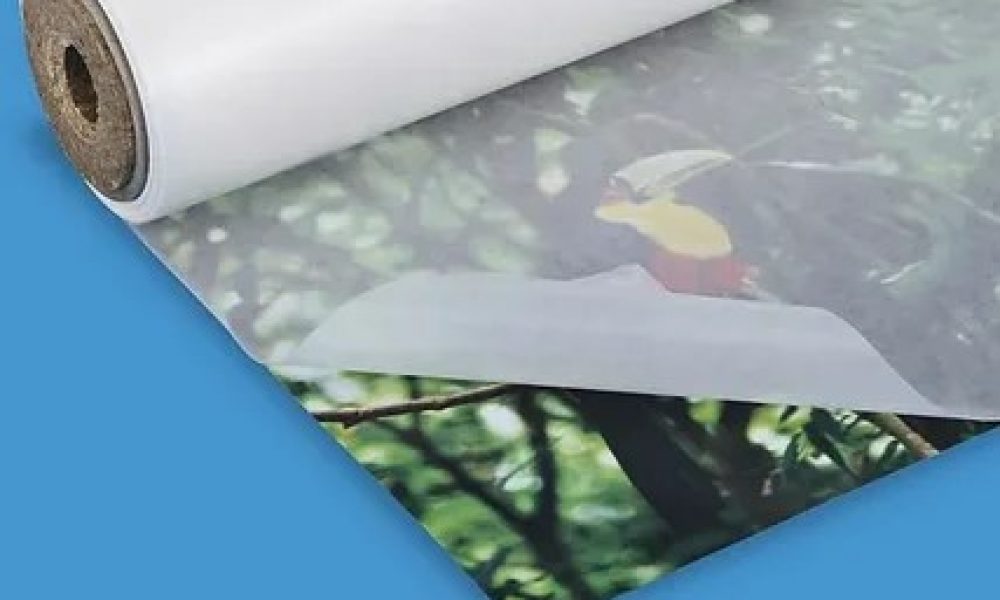
The glassine paper industry in Korea is on an upward trajectory, with a market estimated at USD 102.5 million in 2025 and projected to reach USD 178.4 million by 2035, registering a compound annual growth rate (CAGR) of 5.7%. This growth is driven by the increasing consumer and industrial preference for eco-friendly, sustainable, and high-performance packaging solutions, as well as the expanding food, cosmetics, and e-commerce sectors.
As Korean consumers and businesses increasingly prioritize sustainability, glassine paper has emerged as a versatile solution capable of balancing functionality, aesthetics, and environmental responsibility. Its grease-resistant, moisture-resistant, and printable properties make it particularly suited for packaging in the food and beverage industry, as well as for cosmetic products, artisanal crafts, and high-end retail goods.
Material Insights: Bleached Glassine Leads the Market
Among material types, bleached glassine paper, accounting for 57.4% of the market share, is the dominant choice due to its superior whiteness, smooth surface, and high printability. The material has gained traction for premium packaging applications, particularly in food and beverage sectors where product presentation and hygiene are critical.
Manufacturers in Korea have been investing in advanced pulping and bleaching processes, ensuring consistent quality, strength, and performance. Technological innovations aimed at enhancing grease and moisture resistance have further reinforced the popularity of bleached glassine paper. For companies looking to expand their portfolios, the bleached segment represents a high-value opportunity, particularly for products requiring aesthetic appeal and regulatory compliance.
Full Market Report available for delivery. For purchase or customization, please request here:
https://www.futuremarketinsights.com/reports/sample/rep-gb-18680
Application Insights: Cups and Wrappers Drive Adoption
The cups and wrappers segment, representing 32.6% of applications, remains a key driver of growth. This segment benefits from the rise of foodservice outlets, coffee shops, bakeries, and packaged food manufacturers, all of which require reliable, hygienic, and visually appealing packaging.
The material’s performance in sustainable branding and food safety compliance has led to its widespread adoption, with manufacturers continuously improving durability and printability to meet evolving customer demands. Rising urbanization and the growth of food delivery services have further strengthened this segment, providing manufacturers and new entrants alike with opportunities to innovate and expand their offerings.
End-Use Insights: Food Packaging Remains Central
In terms of end-use, the food segment accounts for 41.8% of the market, underscoring the integral role of glassine paper in protecting and presenting consumable goods. Restaurants, food processors, and retail outlets rely on glassine paper for its protective qualities, compliance with hygiene standards, and ability to maintain product freshness.
The demand for sustainable packaging has also encouraged manufacturers to produce biodegradable and recyclable variants, meeting both regulatory requirements and consumer expectations. With the growth of packaged food markets and increasing awareness of eco-friendly practices, the food end-use segment is expected to continue leading the market, making it an attractive area for investment and innovation.
Regional Insights: South Gyeongsang and North Jeolla Drive Growth
Regional dynamics play a significant role in Korea’s glassine paper market. In South Gyeongsang, the strong presence of food processing industries creates a natural demand for high-performance packaging, where glassine paper’s grease and moisture resistance is particularly advantageous. The material is also being leveraged in cosmetic packaging and artisanal product protection, highlighting its versatility across multiple industries.
Meanwhile, North Jeolla Province, renowned for its agricultural output, benefits from glassine paper’s protective properties for fresh produce, including rice, fruits, and vegetables. The growing e-commerce sector in the province has created additional opportunities for manufacturers to supply durable, visually appealing packaging for products sold online or in retail environments. These regional markets exemplify the expanding applications of glassine paper across Korea.
Market Trends and Emerging Opportunities
Korean manufacturers are witnessing strong demand for sustainable and biodegradable packaging, with glassine paper increasingly preferred due to its eco-friendly profile and functionality. The growth of e-commerce, the expansion of the food and beverage industry, and the rising importance of branding through high-quality packaging are major drivers of market growth.
Innovations in manufacturing technology are enabling improved strength, transparency, and resistance to grease and moisture, opening doors for specialized applications in food, cosmetics, and industrial goods. Companies that invest in these innovations, particularly smaller manufacturers seeking to differentiate their offerings, are well-positioned to capture new market opportunities and expand their footprint in Korea.
Investment Insights: Premium Packaging and Custom Solutions
Investment trends in the Korean glassine paper market indicate a strong preference for bleached glassine paper, which is projected to account for 65.9% of the material segment by 2035. This material offers excellent printability, smooth texture, and enhanced protective qualities, making it ideal for premium packaging applications.
The food sector, with an estimated 28.4% share of the market, continues to attract significant investment, driven by hygiene requirements, freshness preservation, and rising demand for sustainable solutions. Packaging solutions such as pouches, bags, and wrappers are seeing growing adoption, especially among food companies seeking eco-friendly alternatives to traditional packaging materials.
Get the Report Brochure Now:
https://www.futuremarketinsights.com/reports/brochure/rep-gb-18680
Competitive Landscape: Established Players and New Entrants
The Korean glassine paper market is highly competitive, with established players like UPM Specialty Papers, Osung Industry, KRPA Paper, Metsa Tissue, Riverside Paper, Glassine Canada Inc., Nippon Paper Industries, Glatfelter Corporation, Singhvi Foils, and Lintec Corp. leading innovation and market expansion. These companies are actively pursuing strategic mergers, capacity expansions, and collaborations to strengthen their market presence and product portfolios.
New entrants are also finding opportunities to expand in Korea’s dynamic landscape by focusing on specialty products, sustainable innovations, and niche applications. Companies like Seaman Paper Korea exemplify this trend, offering customized glassine paper solutions for food, cosmetics, and artisanal products, highlighting the growing emphasis on tailored solutions that meet industry-specific demands.
Outlook
The glassine paper industry in Korea is poised for robust growth over the next decade, driven by sustainability trends, technological advancements, and expanding end-use applications. Established players are leveraging innovation and strategic expansion to solidify their market positions, while new manufacturers are finding entry points through customized solutions and eco-friendly offerings.
With rising consumer awareness of environmental impact and increasing adoption of biodegradable and recyclable materials, the Korean glassine paper market offers ample opportunities for growth, innovation, and competitive differentiation. Companies that invest in high-quality, sustainable products and advanced manufacturing processes are well-positioned to capitalize on the steady rise in demand across food, cosmetics, and industrial applications.



