
If you or your children become infected with head lice, there’s no need to feel shame or like you have done something wrong. 6 to 12 million cases of head lice are reported every year in America. This common infestation affects all age groups and income groups. From the rich to the poor, head lice is an equal opportunity problem.
However, it is children who are most often the target of head lice for situational reasons we won’t get into here. We want to focus on solving the problem and then doing everything possible to ensure people do not get reinfected after head lice treatment.
That means taking steps to effectively clean parts of your home after primary treatment has been rendered. After having your hair cleaned at a lice removal clinic, it’s important to properly clean your house to prevent further lice infestations.
Know That Lice Can Only Live on a Host
Medical experts say that lice and their offspring, called nits, must stay in contact with a warm-bodied host to survive. Lice lay their eggs on hair follicles, where they hatch and feed on human blood. They need that and the warmth of the body to survive.
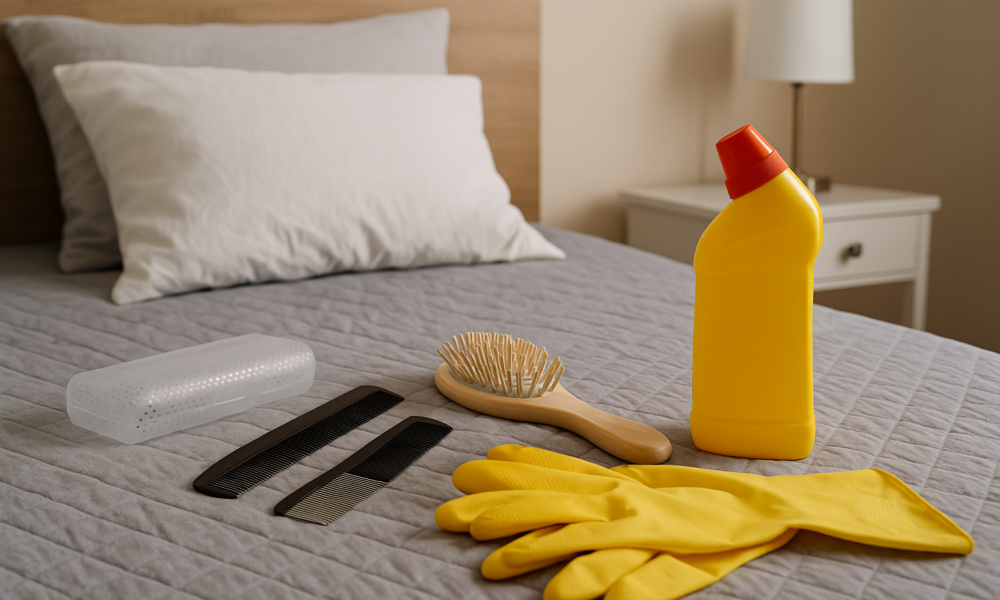
However, lice can remain viable on items, such as a hairbrush, a hat worn by an infected person, or other items that touch the hair and scalp, for one to two days. That’s why one of the first orders of business is to disinfect all combs, brushes, headbands, and other items that have been in contact with hair and scalp.
Cleaning these items is easily done, such as boiling them in water or disinfecting them with a chemical applicant. A water temperature of at least 130 degrees is recommended.
Note that lice on combs and brushes will die anyway after about two days. But to be safe, it’s best to clean and disinfect all these items immediately or as part of the lice treatment process.
Wash Bedding and Clothing
Another obvious possibility for lice and their nits to survive a short time away from their host is to deposit on pillowcases, bed sheets, blankets, or possibly even a mattress. Pajamas or night clothing should also be washed. Lice are killed in warm, sudsy water.
Again, they can’t survive long on bedding, but it’s good practice to wash all bedding materials right after a person has been treated for lice on their body. Another narrow possibility is for lice to survive on the back of the fabric of a chair that an infected person has rested his or her head upon. This can be done with warm and soapy water or disinfectant sprays that can be purchased at a pharmacy.
Don’t Clean the Entire House
Experts say that there is no need to clean every inch of a home where lice have been present. Even so, lice treatment specialists suggest that washing, steam-cleaning, or vacuuming carpets is not a bad idea, especially, say, if infected children have played or lain down on rugs and carpets.
Remember There’s No Need to Panic
Nobody likes the idea of tiny insects living on the hair and scalp and eating the blood of their “hosts” to survive. However, lice are an extremely common problem. They easily spread in crowded places like schools, where lots of kids congregate and interact.
The good news is that lice-killing soaps and topical medication will dispatch the problem easily. Then, some common-sense cleaning of all the items that have made contact with infected areas will relegate this unpleasant experience to the past.
Final Tips for Peace of Mind
Check family members regularly for lice or nits, especially during school outbreaks.
Repeat treatment as directed to ensure any newly hatched lice are eliminated.
Teach children not to share hats, brushes, or headphones at school or sleepovers.
Communicate with schools or caregivers so others can check and prevent reinfection.
With the right steps, you can not only treat a lice outbreak effectively but also minimize the chances of it returning. A clean home, paired with early detection and good habits, will keep your family lice-free and stress-free.




