
 However, interior designers frequently face challenges when sourcing lighting that can adapt to diverse project requirements. Finding fixtures that balance aesthetic appeal with practical functionality, work across different design styles, and meet varying spatial constraints often proves frustrating. The market’s overwhelming options can make it difficult to identify truly versatile pieces that deliver both form and function.
This comprehensive guide explores distinctive indoor wall sconce designs that address these challenges head-on. We’ll examine versatile sconce options, innovative swing-arm lamps that offer adjustable lighting solutions, and the timeless appeal of iron and wood combinations. You’ll discover practical strategies for selecting and implementing sconce lighting that elevates any interior design project while meeting functional needs.
Introduction to Indoor Wall Sconce Lighting
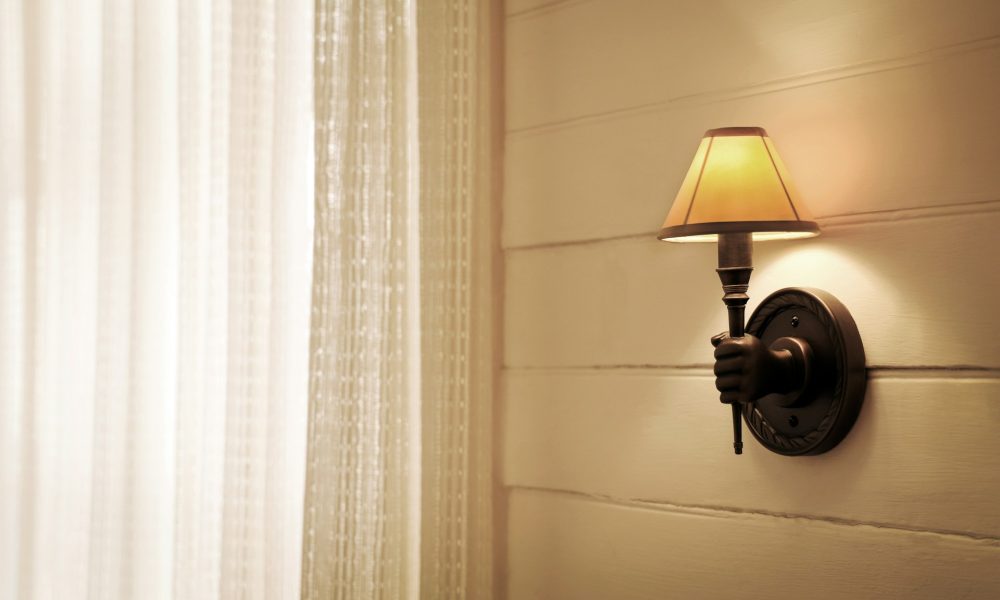
Wall sconces serve as intermediate lighting layers that bridge the gap between ambient ceiling fixtures and task-specific lamps. Positioned at eye level or slightly above, these fixtures create visual interest along vertical planes while providing targeted illumination for reading, accent lighting for artwork, or gentle ambient glow in hallways and bedrooms. Their strategic placement allows designers to manipulate spatial perception, making rooms feel larger, cozier, or more dramatic depending on the chosen style and installation approach. Modern sconces incorporate diverse materials, finishes, and light distribution patterns that complement contemporary minimalism, traditional elegance, or industrial aesthetics. Beyond their decorative contribution, sconces address practical lighting needs in spaces where floor lamps prove impractical and ceiling fixtures insufficient, making them indispensable tools in comprehensive lighting design strategies.

Versatility in Sconce Designs
Versatile sconce designs empower interior designers to maintain consistency across projects while adapting to unique spatial and stylistic requirements. Fixtures with adjustable arms, interchangeable shades, or modular components allow single product lines to serve multiple functions—from bedside reading lights to hallway ambient illumination. Neutral finishes like brushed nickel, matte black, or aged brass transition seamlessly between contemporary lofts and traditional homes, reducing inventory complexity for designers managing diverse portfolios. Sconces with reversible mounting options accommodate both upward and downward light distribution, addressing different ceiling heights and mood requirements without requiring entirely different fixtures. This adaptability proves particularly valuable in hospitality and residential projects where budget constraints demand maximum flexibility from fewer fixture types. Designers who prioritize versatile sconce options gain the freedom to respond creatively to unexpected challenges during installation while maintaining cohesive visual narratives. The most successful versatile designs balance distinctive character with adaptable functionality, ensuring they enhance rather than dictate a space’s overall aesthetic direction.
Flexible Swing-Arm Lamps
Swing-arm wall lamps represent one of the most practical innovations in sconce design, offering adjustable illumination that adapts to changing needs throughout the day. These fixtures feature articulating joints or hinged arms that extend outward and retract against the wall, allowing users to direct light precisely where needed for reading, task work, or ambient lighting. In bedside applications, swing-arm lamps eliminate the need for nightstands while providing personalized reading light that won’t disturb sleeping partners. Home offices and study areas benefit from their ability to focus light on work surfaces without occupying valuable desk space. The mechanical flexibility of swing-arm designs makes them ideal for multipurpose rooms where lighting requirements shift between activities—extended for detailed work, retracted to create soft background illumination. Quality swing-arm mechanisms incorporate tension controls that hold positions securely without drooping over time, ensuring consistent performance. Designers appreciate how these lamps solve spatial constraints in narrow hallways, compact bedrooms, and renovated spaces where electrical boxes exist in less-than-ideal locations. By combining directional control with wall-mounted efficiency, swing-arm sconces deliver professional-grade task lighting in residential settings while maintaining clean, uncluttered aesthetics that complement both modern and traditional interiors.

Iron and Wood Lights
Iron and wood sconce combinations deliver organic warmth balanced with industrial strength, creating fixtures that resonate across farmhouse, transitional, and modern rustic interiors. The natural grain patterns and honey tones of wood soften the cool, structural presence of iron frameworks, producing sconces that feel both grounded and refined. Blackened iron paired with reclaimed barn wood evokes authentic heritage aesthetics in country homes, while sleek walnut combined with brushed steel brings sophisticated warmth to urban apartments. These material pairings age gracefully, with wood developing richer patinas and iron acquiring character through natural oxidation, making them ideal for spaces designed to feel lived-in rather than showroom-perfect. The inherent durability of both materials ensures these sconces withstand high-traffic environments in commercial hospitality settings and busy family homes alike. Designers value how iron and wood fixtures bridge traditional craftsmanship with contemporary sensibilities, satisfying clients who seek character without sacrificing modern functionality. Manufacturers like KIVENLIGHTING have expanded their collections to include these material combinations, recognizing the growing demand for fixtures that offer textural contrast between smooth metal and organic wood grain—adding tactile interest that flat metal or glass fixtures cannot replicate, creating focal points that invite closer inspection and enhance the sensory richness of interior environments.

Designing with Sconce Lighting
Strategic sconce placement begins with identifying functional needs before aesthetic preferences. Position sconces 60-66 inches from the floor in hallways and living areas to create flattering illumination at eye level, while bedside installations work best at 54-60 inches to accommodate reading from seated positions. Spacing sconces 8-10 feet apart along corridors ensures even light distribution without creating harsh shadows or dead zones between fixtures. When flanking mirrors or artwork, mount sconces at the subject’s vertical center rather than above to minimize unflattering shadows and maximize visual impact.
Layering sconce lighting with other sources creates dimensional depth that single-source illumination cannot achieve. Combine wall sconces with recessed ceiling lights and table lamps to establish high, mid, and low light levels that can be adjusted for different activities and times of day. Use dimmers on sconce circuits to transform bright task lighting into subtle ambient glow for evening relaxation. In open-concept spaces, position sconces to define distinct zones—reading nooks, dining areas, or conversation spaces—without requiring physical barriers.
Consider light direction’s psychological impact when selecting sconce styles. Upward-facing sconces bounce light off ceilings to create expansive, airy feelings in compact rooms, while downward illumination produces intimate, grounded atmospheres in oversized spaces. Bidirectional sconces offer compromise solutions that provide both ambient ceiling wash and functional downlighting simultaneously, making them ideal for transitional areas like staircases where safety and ambiance both matter.
Case Studies
A boutique hotel in Portland transformed its narrow guest room corridors using swing-arm sconces with aged brass finishes and linen shades. Previously reliant on harsh overhead fluorescents, the 80-foot hallway received twelve adjustable fixtures spaced evenly at 66 inches height. Guests now enjoy warm, directed light when navigating at night, while housekeeping extends the arms during cleaning for task illumination. The hotel reported increased positive reviews mentioning ambiance, demonstrating how thoughtful sconce selection directly impacts guest experience and brand perception.
A residential renovation in a 1920s Chicago brownstone showcased iron and wood sconces flanking a restored brick fireplace. The designer selected fixtures combining blackened steel frames with walnut backplates, echoing the home’s original ceiling beams. Mounted 60 inches from the floor on either side of the mantel, the sconces provide upward ambient light that highlights the brick texture while creating intimate evening atmosphere. The homeowners replaced table lamps that cluttered the narrow mantel, gaining both functional lighting and authentic period character that honors the home’s architectural heritage.
A corporate office redesign in Seattle incorporated versatile matte black sconces throughout conference rooms and executive offices. The facilities team chose fixtures with interchangeable diffusers—clear glass for bright task lighting during presentations, frosted for softer ambient illumination during video calls. This single fixture type served multiple spaces and functions, reducing procurement complexity and maintenance inventory. The adjustable light output allowed employees to customize their environments, contributing to improved workplace satisfaction scores in post-renovation surveys while maintaining cohesive visual identity across floors.
Maintenance and Longevity
Proper maintenance begins with regular dusting using microfiber cloths to prevent buildup that dulls finishes and reduces light output. For metal sconces, wipe down iron and brass fixtures monthly with slightly damp cloths, avoiding harsh chemicals that strip protective coatings and accelerate tarnishing. Wood elements require occasional treatment with furniture oil or beeswax to prevent drying and cracking, particularly in climates with low humidity. Check mounting hardware annually to ensure screws remain tight, as vibrations from doors and foot traffic can gradually loosen wall plates over time. Replace bulbs promptly when they burn out, as operating fixtures with mismatched wattages or empty sockets stresses electrical components and shortens fixture lifespan. LED bulbs extend maintenance intervals significantly while reducing heat exposure that can warp shades or discolor finishes. For swing-arm mechanisms, apply light machine oil to pivot points every six months to maintain smooth operation and prevent squeaking. Inspect electrical cords and connections during cleaning for fraying or corrosion, addressing issues immediately to prevent safety hazards. Quality sconces properly maintained will deliver decades of reliable service, making initial investment in durable fixtures more economical than frequent replacements of inferior products.
Transform Your Spaces with Strategic Sconce Selection
Indoor wall sconce lighting offers interior designers and homeowners transformative possibilities that extend far beyond basic illumination. From versatile fixtures that adapt across multiple design contexts to flexible swing-arm lamps providing adjustable task lighting, and the organic warmth of iron and wood combinations, these distinctive designs solve practical challenges while elevating aesthetic appeal. Strategic placement, thoughtful layering with other light sources, and consideration of light direction enable sconces to reshape spatial perception and create atmospheric depth that single-source lighting cannot achieve.
The case studies demonstrate how carefully selected sconce lighting directly impacts user experience in hospitality, residential, and commercial environments, while proper maintenance ensures these investments deliver decades of reliable performance. Whether you’re designing intimate residential spaces, boutique hospitality projects, or professional work environments, the right sconce selections provide that essential middle layer of illumination that brings interiors to life. By embracing the versatility and character these fixtures offer, you gain powerful tools to craft memorable spaces that balance functional requirements with distinctive visual identity, transforming ordinary walls into opportunities for architectural expression and enhanced livability.




